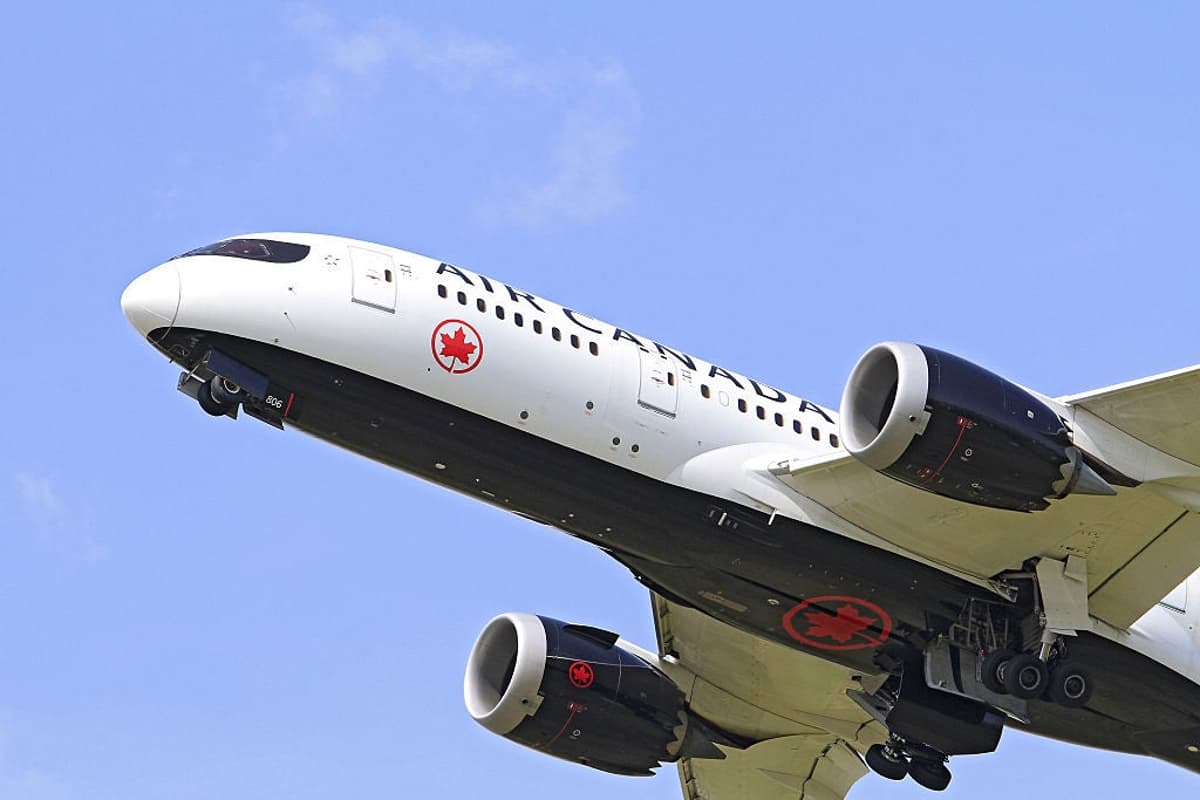
Air Canada to Suspend Several Seasonal US Routes, Citing Fuel Costs
Companies Mentioned
Why It Matters
The move highlights how volatile fuel prices are forcing North American carriers to trim capacity, directly affecting travelers and airline revenue. It also signals a broader industry pressure that could lead to more route reductions worldwide.
Key Takeaways
- •Air Canada suspends four US seasonal routes through 2027.
- •Jet fuel prices up 70‑80% in U.S., doubled in Canada.
- •Customers receive refunds or alternate options for affected flights.
- •Earlier cuts included JFK and Salt Lake City services.
- •Global airlines cutting capacity as fuel costs surge.
Pulse Analysis
Air Canada announced the early suspension of four seasonal routes to the United States, citing unprecedented jet‑fuel costs as the primary driver. The Toronto‑Sacramento service ends on Aug. 1, Vancouver‑Raleigh on July 29, Toronto‑Charleston on Sept. 6, and the Montreal‑Austin connection will pause from Sept. 5 to Oct. 19. While the carrier assures passengers of refunds or alternative itineraries, it also confirmed that each route will be reinstated for the 2027 summer season. The decision follows earlier suspensions of JFK and Salt Lake City flights, underscoring how rapidly rising fuel expenses are reshaping network planning.
The fuel shock is not isolated to Canada. The Argus U.S. Jet Fuel Index shows prices up 70‑80% since the start of the Iran‑U.S. conflict, and Canadian jet fuel has roughly doubled in the same period. Across the Atlantic, Lufthansa Group has already cancelled more than 20,000 flights as European carriers grapple with a looming fuel shortage. For travelers, the immediate impact is reduced seat availability, higher fares, and the need to monitor bookings closely. Airlines are also tightening fare structures, passing a portion of the cost to consumers while seeking operational efficiencies.
Looking ahead, carriers may increasingly rely on dynamic scheduling, shorter‑term suspensions, and strategic route realignments to mitigate fuel volatility. Air Canada’s promise to restore the affected routes in 2027 suggests a long‑term view that balances short‑term cash flow with future demand recovery. Passengers can protect themselves by securing flexible tickets, leveraging travel insurance, and staying alert to airline communications. For the industry, the episode reinforces the importance of hedging fuel purchases and diversifying revenue streams, as sustained price spikes could trigger more permanent network contractions.
Air Canada to suspend several seasonal US routes, citing fuel costs
Comments
Want to join the conversation?
Loading comments...