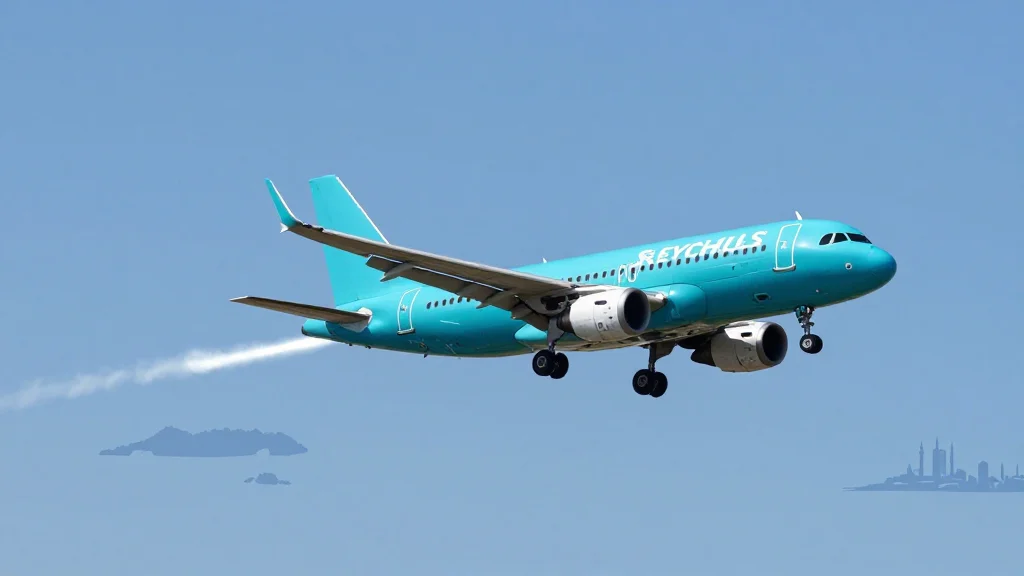
Air Seychelles Charts New Routes Around Conflict Zones, Recasting Travel to the One Big Wow
Why It Matters
Direct connections safeguard Seychelles’ tourism‑driven GDP and demonstrate how airlines can mitigate geopolitical disruptions, setting a template for other markets facing airspace restrictions.
Key Takeaways
- •Air Seychelles added nonstop Paris and Rome flights, avoiding Gulf hubs
- •New Istanbul‑Seychelles route offers a neutral gateway to the Indian Ocean
- •Wet‑leasing enables rapid fleet expansion for long‑haul operations
- •Direct services reduce travel time, boosting visitor confidence amid conflict
- •Point‑to‑point trend may reshape global hub‑and‑spoke networks
Pulse Analysis
The escalation of hostilities in the Middle East has forced airlines to reroute or suspend flights that traditionally crossed the region’s busy airways. Major Gulf hubs such as Dubai, Abu Dhabi and Doha now sit in or near restricted zones, creating longer itineraries and uncertainty for passengers. This disruption has exposed the fragility of a system that relies heavily on a handful of transit airports, prompting carriers and destinations to explore alternative pathways that keep global connectivity intact.
Air Seychelles has responded with a decisive pivot toward direct, point‑to‑point service. By wet‑leasing wide‑body aircraft, the airline can operate nonstop flights from Europe without waiting for fleet upgrades, instantly expanding capacity to Paris, Rome and the forthcoming Istanbul corridor. Istanbul’s geographic position outside the conflict zone, combined with its extensive European and Asian connections, makes it an ideal bridge for travelers seeking a seamless journey to the Indian Ocean. The move not only protects the islands’ tourism revenue—critical as the sector accounts for a sizable share of GDP—but also positions Seychelles as a secure, hassle‑free gateway, appealing to risk‑averse leisure travelers.
The broader implication is a potential reshaping of global route architecture. As more airlines test direct services to mitigate hub vulnerabilities, the classic hub‑and‑spoke model could give way to a network of strategic point‑to‑point links, especially for niche or high‑value destinations. This evolution may spur competitive pricing, shorter travel times, and greater resilience against geopolitical shocks. For investors and industry watchers, Seychelles’ agile response serves as a case study in leveraging operational flexibility to turn a crisis into a growth opportunity.
Air Seychelles Charts New Routes Around Conflict Zones, Recasting Travel to the One Big Wow
Comments
Want to join the conversation?
Loading comments...