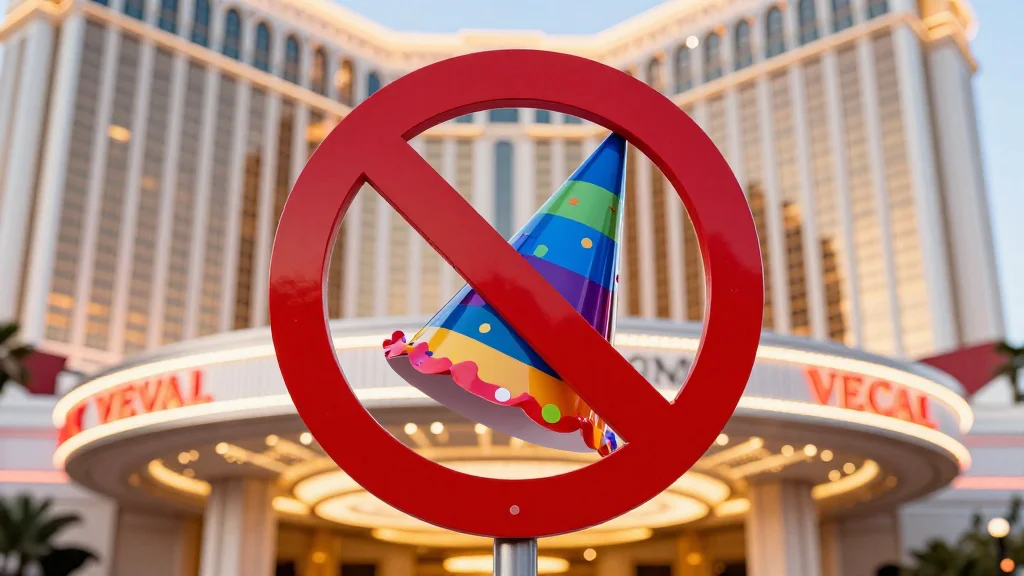
Airbnb Tightens Las Vegas Holiday Weekend Rules to Block Party Bookings

Companies Mentioned
Why It Matters
The new Airbnb restrictions directly address a long‑standing friction point between short‑term rental platforms and the hotel industry. By limiting party bookings during a peak travel window, Airbnb is attempting to mitigate safety concerns that have drawn regulatory scrutiny and public criticism. For hotels, the policy could translate into higher occupancy and revenue during a period that traditionally sees a surge in visitor numbers. Moreover, the move signals a broader shift toward tighter regulation of the sharing‑economy sector, which could influence future legislative actions in other tourism‑heavy cities. Beyond immediate financial impacts, the policy underscores the importance of community standards in the gig‑economy. If Airbnb’s approach proves effective, it may set a precedent for other platforms to adopt proactive, market‑specific safeguards, balancing growth ambitions with local stakeholder interests. This could lead to a more sustainable coexistence between short‑term rentals and traditional hospitality providers, ultimately benefiting travelers, residents, and city officials alike.
Key Takeaways
- •Airbnb bans party‑style bookings for Las Vegas Memorial Day weekend
- •Mandatory $500 security deposit and 24‑hour guest verification required
- •Violations may result in listing removal and fines up to $2,000
- •Potential 1‑2 % boost in hotel occupancy, adding roughly $15 million in revenue
- •Policy serves as a test case for tighter short‑term rental regulation nationwide
Pulse Analysis
Airbnb’s decision to tighten its holiday‑weekend rules in Las Vegas reflects a strategic pivot from pure growth to risk management. The platform has faced mounting pressure from hotel chains, local residents, and regulators who argue that unchecked party rentals degrade neighborhood quality and siphon revenue from the formal hospitality sector. By imposing a clear party ban and higher security deposits, Airbnb is attempting to pre‑empt stricter municipal ordinances that could impose costly licensing fees or outright bans on short‑term rentals.
Historically, the short‑term rental market has thrived on flexibility and price competitiveness, often at the expense of community standards. The Las Vegas experiment could mark a turning point where platforms recognize that sustainable expansion requires alignment with local policy goals. If the policy succeeds in reducing noise complaints and safety incidents, it may embolden other cities—particularly those with high tourism volumes like Orlando, Miami, and New York—to adopt similar measures without waiting for legislative action.
From a competitive standpoint, hotels stand to gain a modest but meaningful uplift in occupancy during a marquee weekend. While a 1‑2 % increase may seem modest, the cumulative effect across the city’s thousands of rooms can be financially significant, especially when margins are thin. Hotels may also leverage the narrative of safety and reliability to attract travelers who have grown wary of short‑term rental disruptions. In the longer run, the episode could accelerate a broader industry trend: hotels investing in flexible, short‑stay offerings (e.g., branded apartments) to capture the market segment that once gravitated toward platforms like Airbnb. The outcome of this policy will likely inform how both sides negotiate the balance between innovation and regulation in the hospitality ecosystem.
Airbnb Tightens Las Vegas Holiday Weekend Rules to Block Party Bookings
Comments
Want to join the conversation?
Loading comments...