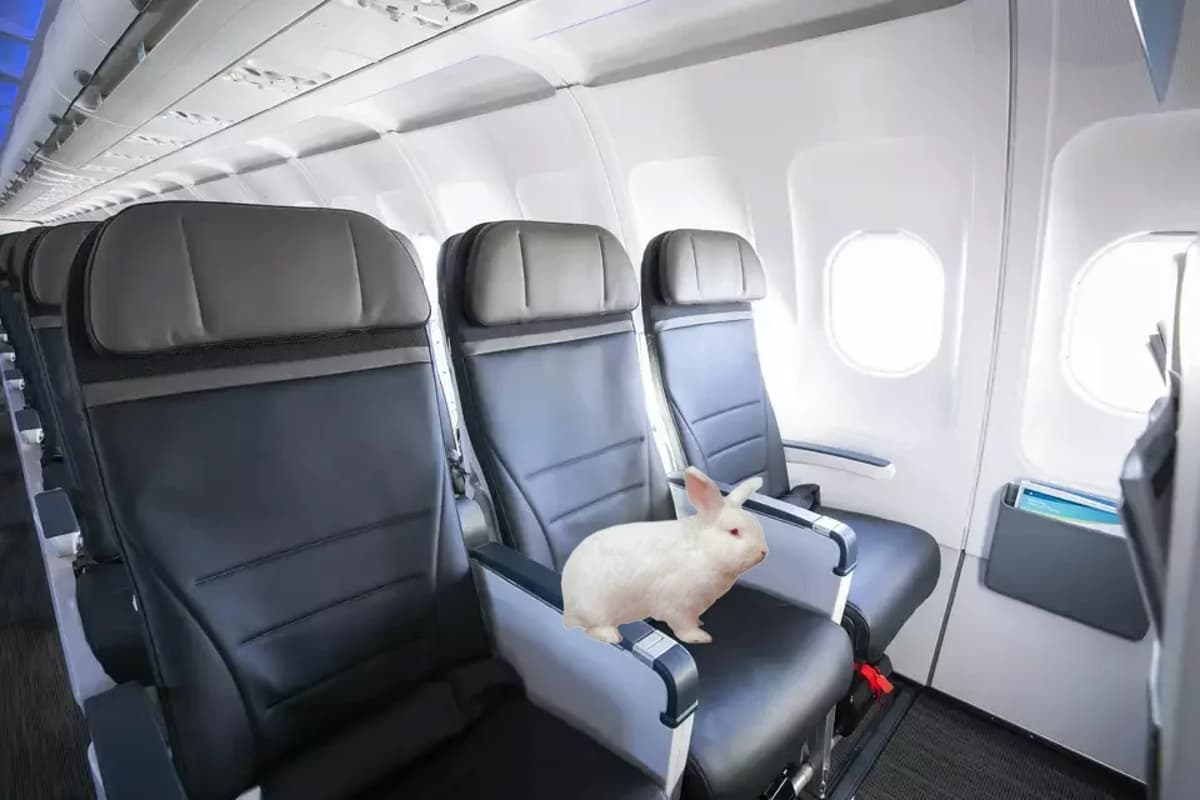
Alaska Airlines Allows Rabbits Back In Cabin But Moves To Ban Household Birds
•February 13, 2026
0
Why It Matters
The change expands revenue opportunities for Alaska by catering to a niche pet‑owner segment while the bird ban removes a source of operational risk, signaling tighter pet‑travel standards across U.S. carriers.
Key Takeaways
- •Rabbits permitted in cabin on continental US flights
- •Rabbit carriers must fit under seat, reservation required
- •In‑cabin rabbit fees range $100‑$200 per segment
- •Household birds banned from cabin effective April 4 2026
- •Bird ban driven by safety, sanitation, allergen concerns
Pulse Analysis
Alaska Airlines’ decision to bring rabbits back into the cabin reflects a growing willingness among legacy carriers to fine‑tune pet policies based on customer feedback. By limiting the allowance to domestic routes and requiring soft‑sided carriers that fit under the seat, the airline balances passenger comfort with operational feasibility. The fee structure—$100 to $200 per way, with a discounted $35 rate on Hawaiian inter‑island flights—creates a clear revenue stream while keeping the service affordable for pet owners who view their rabbits as essential travel companions.
The forthcoming ban on household birds marks a contrasting shift toward stricter health and safety controls. Birds pose unique challenges: they can trigger allergies, create sanitation issues, and are more vulnerable to pressure changes in the cabin. Although Alaska has not disclosed a detailed rationale, industry analysts cite these factors alongside regulatory inconsistencies as likely drivers. Effective April 4 2026, the prohibition will affect all routes, forcing bird owners to seek alternative transport methods or forego air travel altogether, thereby reducing potential liability for the airline.
In the broader context, Alaska’s pet‑policy adjustments illustrate how airlines are using niche services to differentiate themselves in a competitive market. While some carriers maintain blanket bans, others, like JetBlue and Southwest, are experimenting with expanded pet options to capture loyal travelers willing to pay premium fees. As consumer demand for pet‑friendly travel rises, airlines must weigh incremental revenue against operational complexity. Alaska’s selective approach—re‑allowing rabbits while eliminating birds—signals a data‑driven strategy that other airlines may emulate, shaping the future landscape of in‑cabin pet travel.
Alaska Airlines Allows Rabbits Back In Cabin But Moves To Ban Household Birds
0
Comments
Want to join the conversation?
Loading comments...