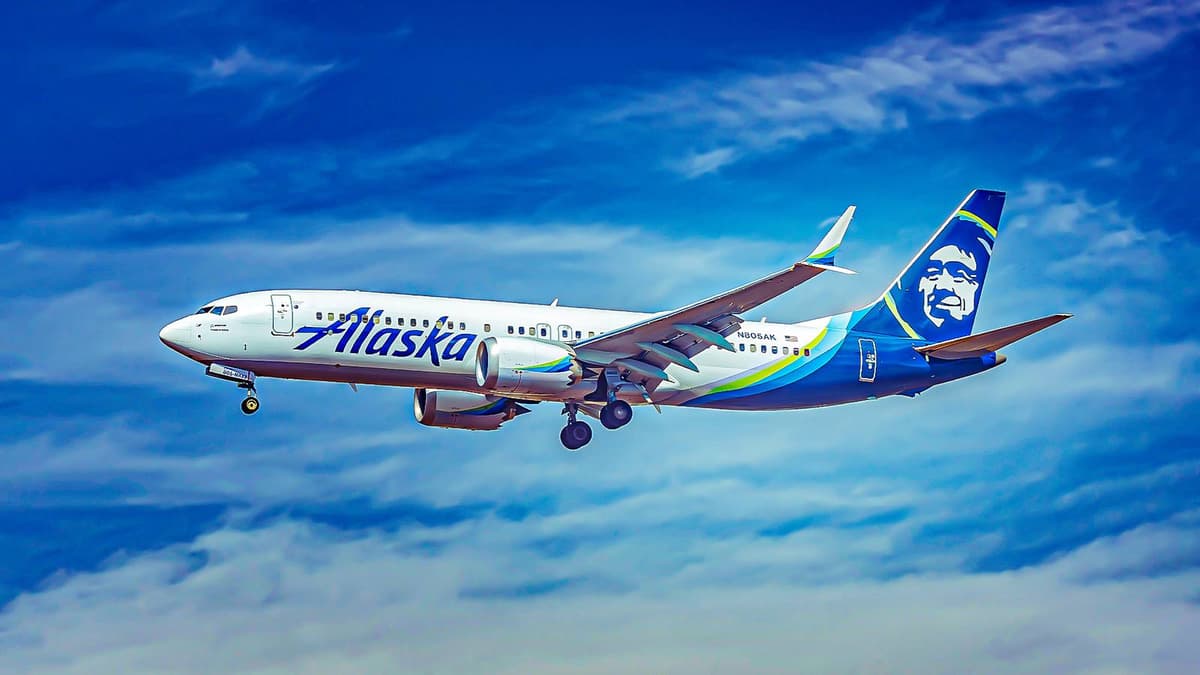
Alaska Airlines To Boost Boeing 737 MAX 8 Flights By 22% As Fleet Grows To 17
Companies Mentioned
Why It Matters
The rapid MAX 8 rollout adds capacity on core routes, improves fuel efficiency, and strengthens Alaska’s competitive edge as it expands both domestic frequency and its nascent international network.
Key Takeaways
- •Alaska's MAX 8 flights rose 22% to 1,632 in June.
- •Fleet at 17 MAX 8s, eight on order, average age one year.
- •LAX‑Seattle became second‑busiest MAX 8 route with 39 one‑way flights.
- •Seasonal Seattle‑Reykjavik nonstop launched, expanding Alaska's international hub.
Pulse Analysis
Alaska Airlines’ aggressive acquisition of Boeing 737 MAX 8 jets reflects a broader industry shift toward younger, more fuel‑efficient fleets. With an average age of just one year, the 17‑plane MAX 8 block delivers lower operating costs, higher dispatch reliability, and reduced emissions—key metrics that investors and regulators monitor closely. The eight pending deliveries will further thin the airline’s average fleet age, positioning Alaska to capture cost advantages as fuel prices fluctuate.
The 22% jump in MAX 8 flights translates into 262,752 seats and over 441 million available seat miles in June alone, underscoring the aircraft’s role in meeting rising demand on high‑traffic corridors. Routes such as Los Angeles‑Seattle and Seattle‑Fairbanks have seen capacity upgrades, while the new seasonal Seattle‑Reykjavik nonstop signals a strategic push beyond the domestic market. By leveraging the MAX 8’s range and seat density, Alaska can increase frequency without adding larger, costlier wide‑body aircraft, sharpening its competitive stance against legacy carriers on the West Coast.
Seattle’s evolution into an international hub is a direct outcome of the MAX 8 expansion. The airline’s ability to add seats on popular routes frees up wide‑body slots for longer‑haul services, hinting at future destinations like Sydney or other trans‑Pacific markets. Analysts view this as a signal that Alaska is preparing to compete in the premium long‑haul segment while maintaining a robust domestic backbone. The fleet growth, combined with strategic route development, positions Alaska Airlines for sustained revenue growth and market share gains in a post‑pandemic travel landscape.
Alaska Airlines To Boost Boeing 737 MAX 8 Flights By 22% As Fleet Grows To 17
Comments
Want to join the conversation?
Loading comments...