Companies Mentioned
Why It Matters
If Alberta can diversify its economy with a robust tourism sector, it reduces reliance on volatile hydrocarbons while creating sustainable jobs and tax revenue. The strategy also positions the province as a North‑American alternative to U.S. destinations amid shifting travel preferences.
Key Takeaways
- •Alberta aims to lift tourism spend to C$25 bn (~$18 bn) by 2035.
- •Visitor spending hit C$15.2 bn (~$11 bn) in 2024, up 4 % YoY.
- •US travelers and domestic tourists driving growth as US arrivals fall.
- •Labour shortages and high housing costs strain Alberta’s hospitality sector.
- •Calgary’s expanded intercontinental flights and low‑cost carriers boost access.
Pulse Analysis
Alberta’s new “Higher Ground” tourism sector strategy reflects a deliberate push to diversify an economy long dominated by oil and gas. By setting a C$25 bn (≈$18 bn) visitor‑spending target for 2035, the province hopes to capture a larger slice of North‑American travel dollars and generate about C$10 bn (≈$7.2 bn) in tax revenue over the next decade. The plan builds on recent momentum: 2024 saw visitor spending rise 4 % to C$15.2 bn (≈$11 bn), outpacing the rest of Canada, thanks in part to a favorable exchange rate that makes Alberta attractive to U.S. tourists and a domestic travel boom as Canadians shy away from the United States.
Key growth drivers include expanded intercontinental flight options from Calgary, where carriers like WestJet have turned the city into a hub for Europe, Asia, and the Americas. This improved connectivity lowers barriers for long‑haul visitors and supports higher‑spending segments such as luxury resorts and adventure tourism. At the same time, the province faces a critical labour bottleneck; 11,000 restaurant vacancies and soaring housing costs in tourist towns threaten to cap capacity. Addressing these constraints will likely require coordinated policy action, including streamlined foreign‑worker permits and affordable housing initiatives for hospitality staff.
Looking ahead, Alberta’s success hinges on balancing demand with supply. Building new resorts, expanding off‑peak attractions, and investing in infrastructure—especially in regions beyond the over‑touristed Banff corridor—can spread economic benefits more evenly. If policymakers align support for workforce development with the strategic promotion of lesser‑known destinations, Alberta could emerge as a resilient, year‑round tourism engine that cushions the province against future energy‑sector volatility.
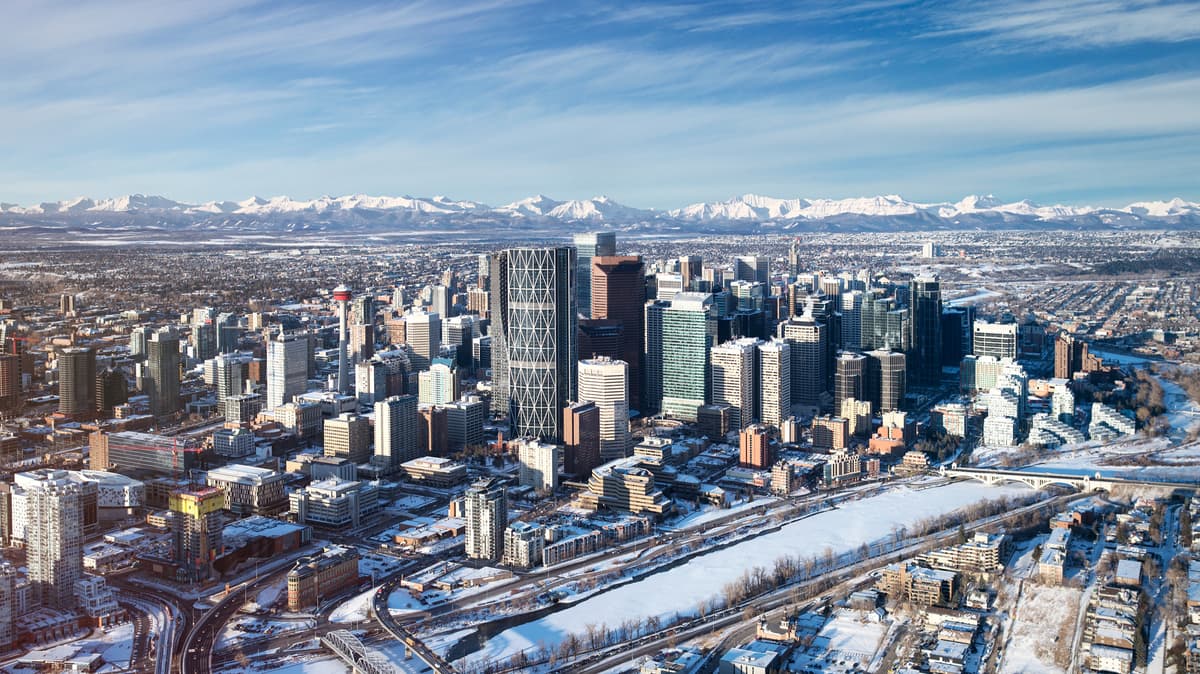
Alberta gears up for tourism growth
Comments
Want to join the conversation?
Loading comments...