Why It Matters
Tourism could become a major non‑oil growth engine, diversifying Algeria’s economy and creating jobs. Achieving the 2030 targets would raise foreign‑exchange earnings and reduce regional development gaps.
Key Takeaways
- •Algeria's tourism contributes only ~3% of GDP, far below regional peers
- •Government targets 10% tourism share and 10‑12 million visitors by 2030
- •Legislative reforms propose tax cuts, easier land acquisition, and youth‑focused hiring
- •High accommodation costs (~$70/night) deter domestic travelers and limit demand
- •Only ~1,500 lodging businesses exist, constraining capacity for international guests
Pulse Analysis
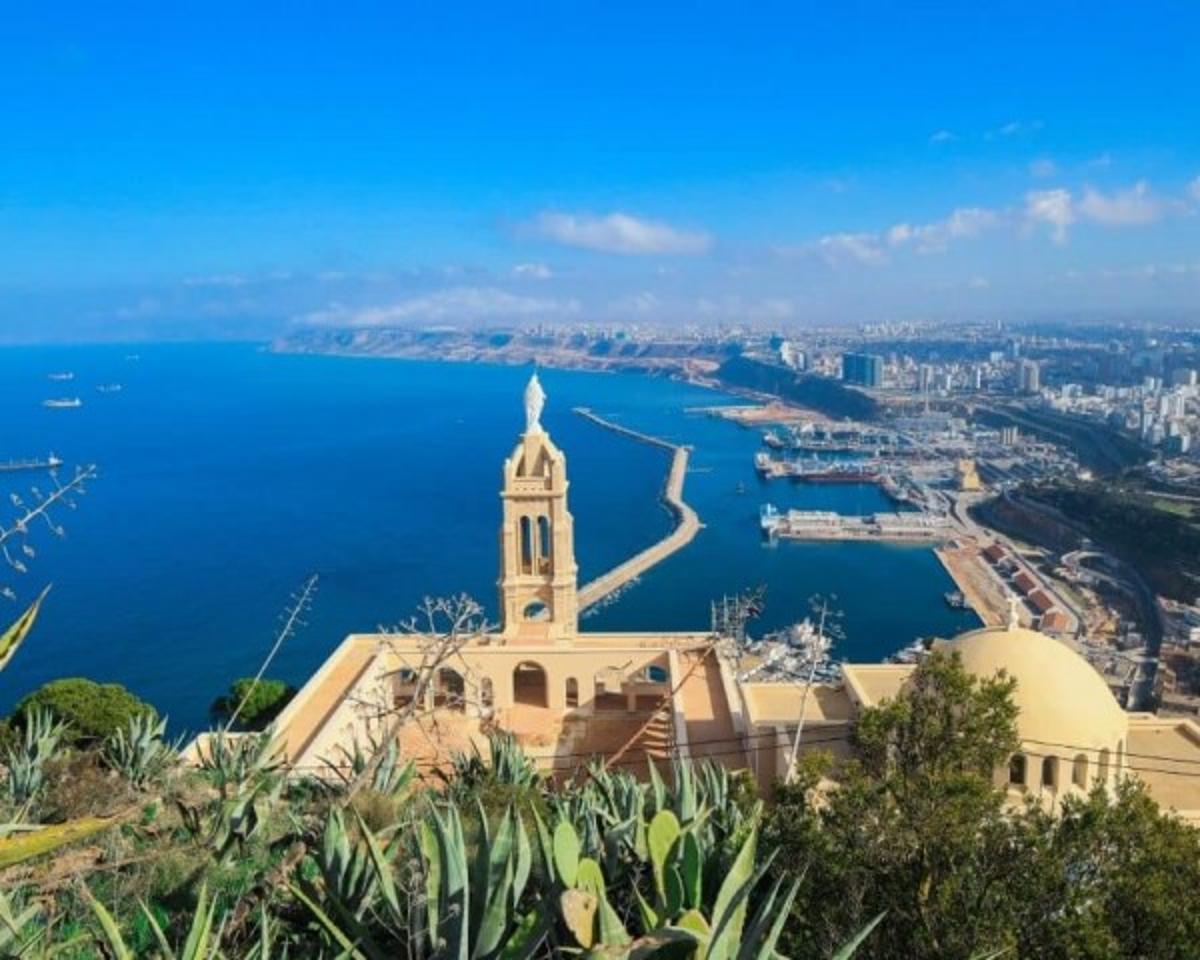
Algeria boasts a unique tourism portfolio—spanning Mediterranean beaches, rugged mountain ranges and expansive desert landscapes—yet its sector remains under‑developed. At just 3% of national output, the industry lags far behind neighboring Mediterranean economies that generate 15‑20% of GDP from travel. Visitor numbers have plateaued around 3.5 million annually, a fraction of the tens of millions drawn to Spain or Italy. The disparity stems from antiquated infrastructure, scarce quality lodging and pricing that outpaces average Algerian wages, with hotel rooms often exceeding $70 per night.
The government’s 2030 tourism strategy seeks to reverse this trend by simplifying land acquisition, offering tax incentives and mandating youth‑centric hiring for new projects. These reforms aim to attract both domestic and foreign investors, fostering a pipeline of mid‑scale hotels, eco‑lodges and cultural‑heritage sites. However, success hinges on addressing systemic bottlenecks: improving road and airport connectivity, standardising service quality, and expanding the modest pool of roughly 1,500 accommodation operators. By lowering operational costs and enhancing training for hospitality staff, Algeria can boost occupancy rates and extend visitor stays, thereby increasing per‑capita tourism revenue.
Digital promotion offers a low‑cost catalyst for growth. Leveraging social media, travel‑booking platforms and immersive virtual tours can showcase Algeria’s hidden gems to global audiences without massive marketing budgets. Partnerships between government agencies, local entrepreneurs and creative artists can produce multilingual content that highlights regional festivals, archaeological sites and desert adventures. If coordinated with the legislative incentives and infrastructure upgrades, such outreach could help the country achieve its ambition of a ten‑percent GDP contribution from tourism, diversifying the economy away from oil dependence and generating sustainable employment across the north‑south corridor.
ALGERIA’S TOURISM POTENTIAL IS STILL UNDERVALUED
Comments
Want to join the conversation?
Loading comments...