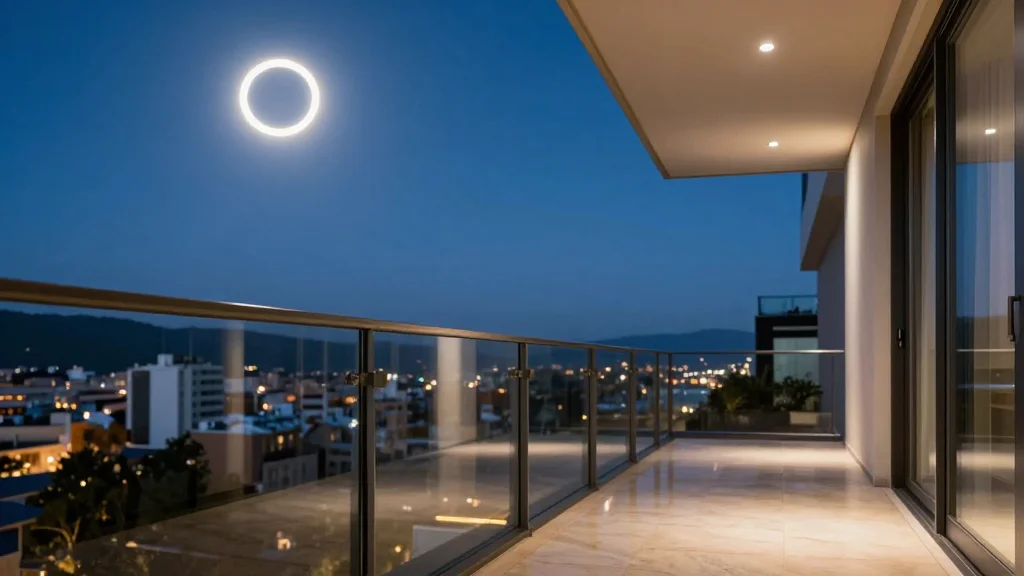
Amadeus Reports 366% Booking Surge in Bilbao Ahead of 2026 Solar Eclipse

Companies Mentioned
Why It Matters
The eclipse‑driven booking surge illustrates how rare, time‑bound events can reshape demand curves for hotels, prompting rapid adjustments in pricing, inventory and marketing. For the broader hotels industry, the data signals a growing appetite for experience‑centric travel, where guests prioritize unique, location‑specific moments over traditional leisure itineraries. This shift could accelerate investment in flexible capacity solutions, such as pop‑up lodging and dynamic pricing algorithms, to capture fleeting demand spikes. Moreover, the geographic spread of the surge—from Bilbao to Iceland—highlights the potential for secondary destinations to benefit from spillover traffic. If hotels and tourism boards can leverage the eclipse to showcase local attractions, they may achieve longer‑term diversification of visitor bases, reducing reliance on seasonal peaks and fostering more resilient tourism economies.
Key Takeaways
- •Flight bookings to eclipse‑path airports up 25% YoY
- •Bilbao hotel reservations up 366% YoY, Asturias +292%, Valencia +137%
- •Occupancy for eclipse period up 16% across Spain and Iceland
- •Average daily room rates climbed 36% for the same period
- •Short‑stay bookings (1‑5 days) increased 57% YoY
Pulse Analysis
The Amadeus data underscores a nascent but powerful trend: astronomical events are emerging as high‑impact demand generators for the hospitality sector. Historically, hotels have relied on predictable seasonality—summer beach trips, winter ski holidays—to forecast occupancy. The eclipse, however, compresses a massive influx into a narrow time window, forcing hotels to pivot from long‑term inventory planning to ultra‑short‑term, event‑driven tactics. This dynamic mirrors the rise of music‑festival tourism, where venues and nearby hotels must rapidly scale pricing and capacity.
From a competitive standpoint, the surge benefits agile operators with sophisticated revenue‑management systems capable of real‑time price adjustments. Larger chains can leverage brand recognition to capture international travelers, while boutique properties in eclipse‑adjacent towns can differentiate through curated experiences—guided sky‑watching tours, local gastronomy, and themed packages. The 48% rise in solo travel further suggests a market for personalized, low‑cost accommodations, such as hostels or co‑living spaces, that can accommodate fluctuating demand without sacrificing profitability.
Looking ahead, the eclipse may act as a proof‑point for hoteliers to invest in predictive analytics that incorporate astronomical calendars, social media buzz, and search trends. By integrating these signals into demand‑forecasting models, hotels can pre‑emptively allocate rooms, negotiate supplier contracts, and design targeted marketing campaigns. The broader implication is a shift toward a more event‑centric hospitality landscape, where the ability to capitalize on rare, high‑visibility moments becomes a competitive differentiator.
In the longer term, destinations that successfully harness the eclipse could see lasting benefits. Increased exposure may translate into higher off‑peak visitation, as travelers discover previously overlooked regions. However, the upside hinges on infrastructure readiness; without adequate transport, accommodation and ancillary services, the surge could strain local economies and erode visitor satisfaction. Stakeholders—hotels, tourism boards, and local governments—must therefore coordinate to balance immediate revenue gains with sustainable, year‑round tourism development.
Amadeus Reports 366% Booking Surge in Bilbao Ahead of 2026 Solar Eclipse
Comments
Want to join the conversation?
Loading comments...