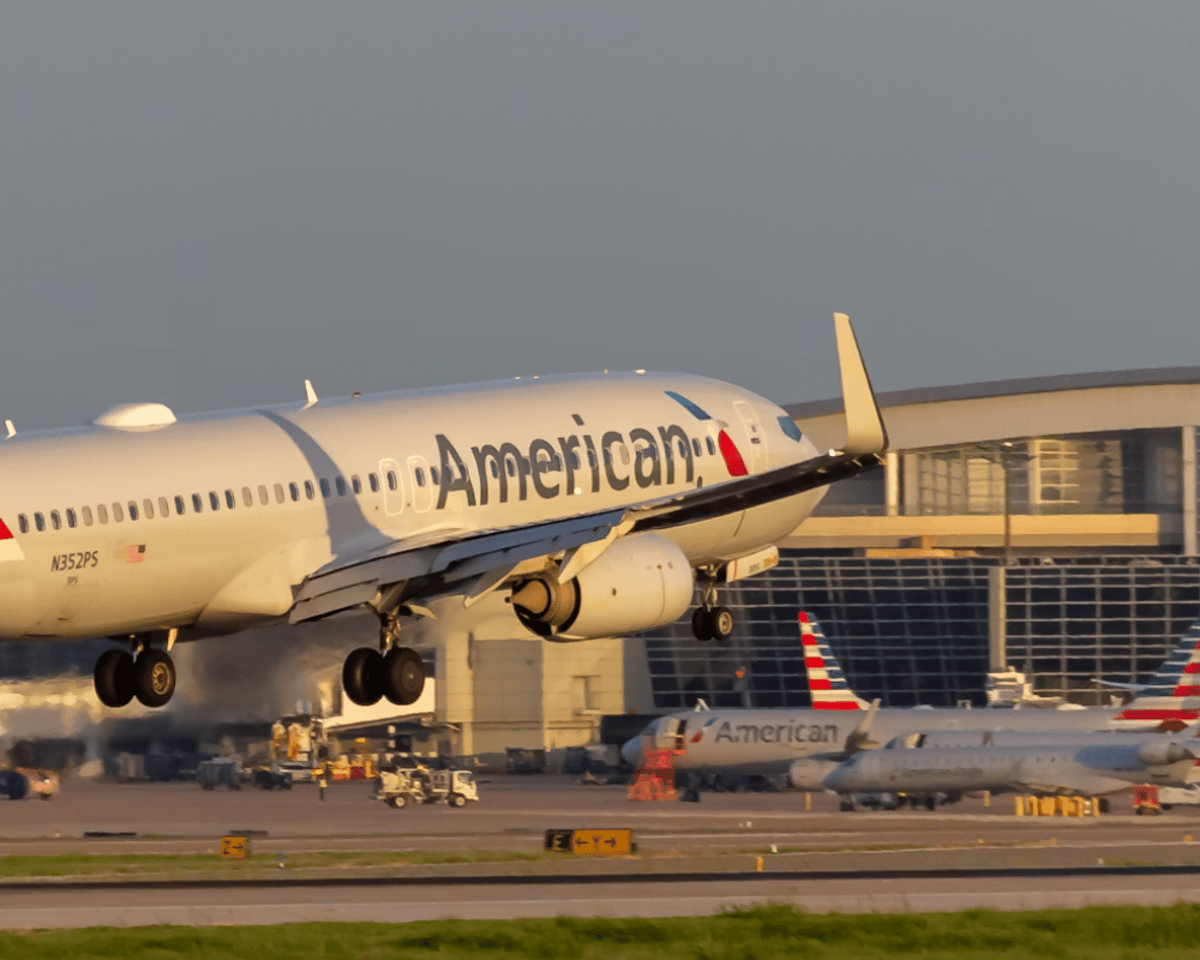
American Airlines Hikes Checked Baggage Fees: What They Cost and How to Avoid Paying Them Entirely
Companies Mentioned
Why It Matters
The hike increases out‑of‑pocket costs for price‑sensitive flyers and underscores how loyalty programs and premium credit cards have become essential tools for offsetting airline ancillary fees, shaping both consumer behavior and airline revenue streams.
Key Takeaways
- •First bag $45 pre‑pay, $50 at airport; second $55/$60.
- •AAdvantage credit cards waive first bag for cardholder and companions.
- •Gold status gives one free bag; Platinum tiers give two or three.
- •Premium cards offer $200‑$300 airline fee credits usable for bags.
Pulse Analysis
Airlines have leaned heavily on ancillary revenue, and American Airlines’ recent baggage‑fee increase is a textbook example. By moving the base price for a checked bag to $45 domestically, the carrier aligns with industry peers while extracting additional cash from travelers who previously considered bag fees negligible. The $5 discount for pre‑paying online nudges passengers toward digital channels, reducing airport staffing costs and improving load‑factor forecasting. This shift reflects a broader trend where airlines monetize every touchpoint, from seat selection to Wi‑Fi, to bolster margins in a competitive market.
For consumers, the fee hike makes loyalty assets more valuable than ever. AAdvantage co‑branded credit cards now grant a free first bag for the primary cardholder and up to eight companions, effectively turning a $45 expense into a zero‑cost perk. Elite status tiers—Gold, Platinum, Platinum Pro, and Executive Platinum—provide one to three complimentary bags, rewarding frequent flyers and encouraging brand stickiness. Meanwhile, premium general‑purpose cards such as the American Express Platinum and Chase Sapphire Reserve extend airline‑fee credits that can be applied directly to baggage costs, further eroding the fee’s impact. Savvy travelers can combine these benefits, often traveling fee‑free without altering their itinerary.
The broader implication is a subtle rebalancing of airline revenue streams. While higher bag fees generate immediate cash, airlines risk alienating price‑sensitive segments unless offset by tangible value propositions. Competitors may respond by matching or undercutting fees, or by bundling baggage into fare classes, pressuring the industry toward more transparent pricing. For travelers, the key is to leverage credit‑card perks, elite status, and fare class selections to keep ancillary costs low, turning what could be a $45‑plus expense into a strategic advantage in overall travel budgeting.
American Airlines Hikes Checked Baggage Fees: What They Cost and How to Avoid Paying Them Entirely
Comments
Want to join the conversation?
Loading comments...