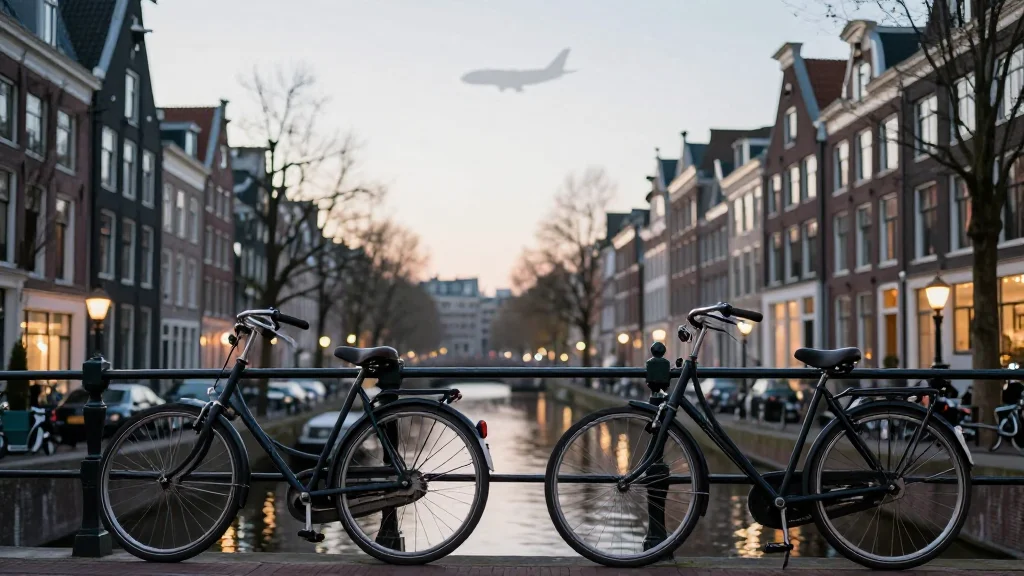
Amsterdam Bans Airline Ads As Flying Becomes The New Smoking
Why It Matters
The ban signals a new frontier in climate policy, targeting demand‑side messaging rather than supply‑side emissions, and could set a precedent for other global cities seeking to curb high‑carbon consumption through advertising restrictions.
Key Takeaways
- •Amsterdam bans ads for airlines, cruises, fossil fuels, and meat
- •Ban applies to all public spaces citywide starting May 1
- •Policy follows Dutch cities' trend targeting high‑carbon industries
- •Critics say ban is symbolic, unlikely to curb air travel demand
- •KLM previously fined for misleading “sustainable flying” advertisements
Pulse Analysis
Amsterdam’s latest climate move goes beyond traditional regulation by outlawing public advertisements for airlines, cruise lines, fossil‑fuel products and even meat. Implemented on May 1, the ban covers billboards, tram‑stop screens and any city‑controlled visual media, aiming to erase the glamour associated with high‑carbon travel and consumption. City leaders argue that advertising shapes social norms, and by removing these cues they can nudge residents toward greener choices without imposing direct travel restrictions. The policy reflects a broader European shift toward using public space as a lever for environmental messaging.
The effectiveness of such bans remains uncertain. Historical parallels to tobacco control show that advertising curbs can eventually reduce demand, but air travel is woven into commerce, tourism and family life in ways cigarettes never were. Schiphol Airport continues to handle millions of passengers annually, and the city’s economy depends heavily on international visitors. Critics, including travel industry groups, label the measure as virtue signaling, suggesting that without complementary policies—such as carbon pricing or investment in sustainable transport—advertising restrictions alone will not meaningfully lower emissions.
Amsterdam’s action builds on a growing Dutch trend: Haarlem barred meat ads, The Hague restricted fossil‑fuel promotion, and courts have already penalized airlines for misleading sustainability claims. By targeting the visual landscape, the city hopes to spark a cultural shift that other municipalities might emulate. If successful, the ban could pressure airlines to accelerate genuine decarbonisation efforts and encourage advertisers to develop greener narratives. Conversely, a backlash could prompt legal challenges over commercial free speech, testing the balance between climate ambition and market freedoms.
Amsterdam Bans Airline Ads As Flying Becomes The New Smoking
Comments
Want to join the conversation?
Loading comments...