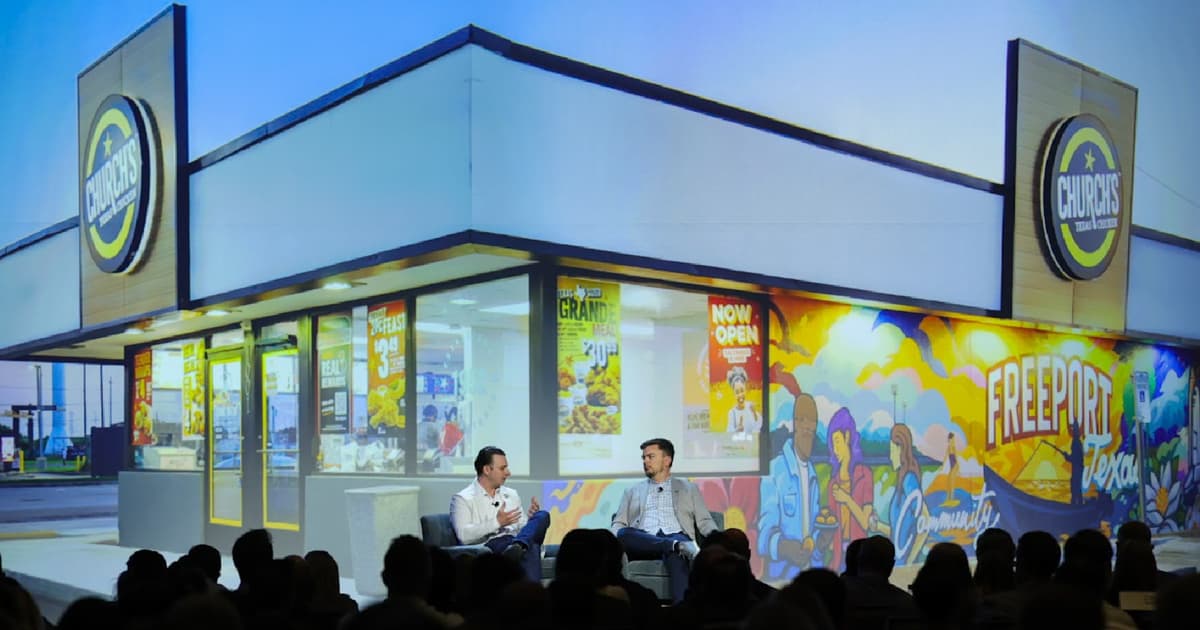
An Inside Look at What's Challenging Restaurant Chain Execs in 2026
Why It Matters
The insights reveal how mid‑size restaurant chains are adapting growth strategies, tech investments, and brand positioning to stay competitive in a post‑pandemic market, influencing industry standards for scalability and customer engagement.
Key Takeaways
- •Honeygrow halted expansion, then grew to ~80 stores with disciplined pace
- •Cava’s unified data platform fuels guest personalization and operational efficiency
- •Marco’s Pizza adds 80 new stores yearly, prioritizing order accuracy
- •Church’s Texas Chicken targets 20% digital sales while expanding globally
Pulse Analysis
The pressure to scale quickly has forced many restaurant chains to rethink growth models. Honeygrow’s decision to pause new openings after reaching 30 locations allowed the brand to tighten operational standards and re‑enter the market with a more sustainable trajectory, now nearing 80 sites. This disciplined approach underscores a broader industry shift: investors and founders are valuing profitability and brand consistency over sheer unit count, especially as consumer confidence wavers amid economic uncertainty.
Technology is becoming the linchpin of competitive advantage. Cava’s investment in a modern, unified data platform—dubbed “power core”—enables real‑time insights that enhance both guest interactions and employee efficiency. Meanwhile, Church’s Texas Chicken’s digital sales have leapt from roughly 6% to over 18%, with a goal of surpassing 20% as kiosks and catering expand. These moves illustrate how data‑driven personalization and streamlined ordering are no longer optional but essential for capturing higher ticket values and repeat business in an increasingly digital dining landscape.
Brand evolution and demographic targeting are equally critical. Schlotzsky’s rebranding to Schlotzsky’s Deli reflects a strategic pivot toward younger, millennial consumers, simplifying store layouts to reduce friction and lower franchisee costs. Marco’s Pizza, leveraging its fresh‑made dough and sauce recipes, focuses on order accuracy and speed, boosting its top‑box score by eight points. Collectively, these initiatives signal that successful chains will blend measured expansion, tech integration, and refreshed brand narratives to meet evolving consumer expectations and sustain growth in a competitive market.
An inside look at what's challenging restaurant chain execs in 2026
Comments
Want to join the conversation?
Loading comments...