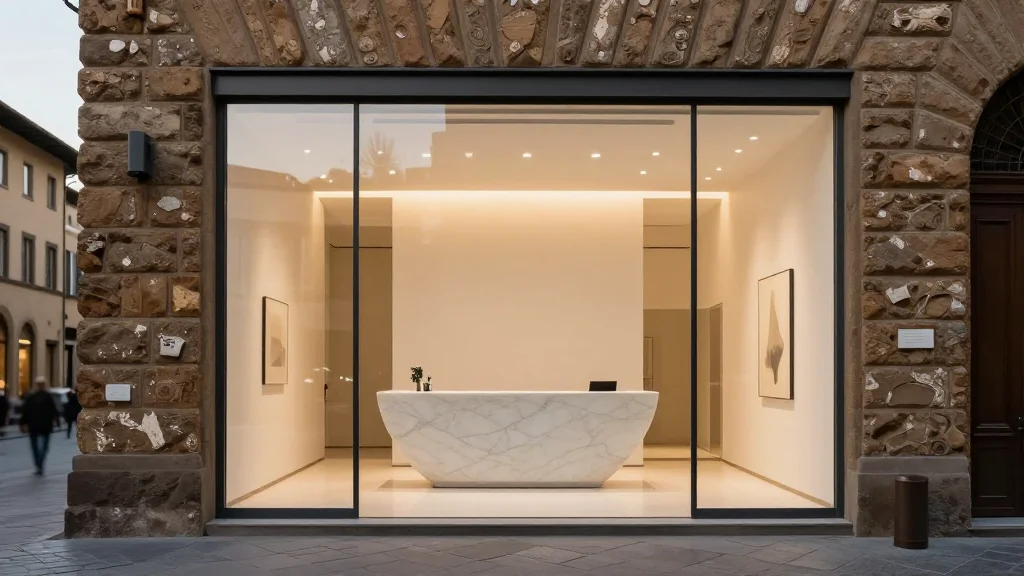
Art, Design, and Sustainability: The Usual Hotel Arrives in Florence, Italy
Why It Matters
The development showcases how boutique hotels can combine heritage preservation with ESG‑driven design, setting a benchmark for sustainable tourism in historic cities. It also creates measurable social and environmental benefits that appeal to eco‑conscious travelers and investors.
Key Takeaways
- •The Usual's first Florence hotel opens Q1 2027 with 80 rooms
- •3,400 m² heritage building repurposed using circular, energy‑efficient design
- •Made Blue and Clear Rivers tie stays to water delivery, plastic removal
- •Swedish agency Stylt leads interior design, emphasizing art and sustainability
- •Doing Good program supports local socio‑ecological initiatives in Florence
Pulse Analysis
The hospitality sector is increasingly betting on sustainability as a core differentiator, and The Usual’s entry into Florence epitomizes that shift. Florence, a UNESCO World Heritage hub that welcomes over 10 million visitors annually, offers a compelling backdrop for a hotel that blends art, design, and eco‑responsibility. By converting a 19th‑century building into an 80‑room boutique property, the brand leverages the city’s cultural cachet while addressing the growing demand for authentic, low‑impact travel experiences. The initiative also taps into Italy’s national push for green tourism, which offers tax incentives for projects that meet energy‑efficiency thresholds.
The project’s regenerative design strategy goes beyond conventional green building standards. Working with Swedish studio Stylt and heritage specialist Artelia Italia, The Usual is reusing existing structural elements, sourcing furniture from regional artisans, and installing energy‑efficient systems that reduce the building’s carbon footprint. Complementary social‑ecological initiatives—such as donating 100 liters of clean water per night through Made Blue and removing one kilogram of river plastic per direct booking via Clear Rivers—translate guest stays into tangible environmental outcomes. The circular approach reduces construction waste by an estimated 40%, while the courtyard’s native plantings improve urban biodiversity.
For investors and operators, The Usual’s Florence rollout signals a scalable model where heritage preservation aligns with ESG performance metrics, potentially unlocking premium pricing and loyalty among conscious travelers. The hotel’s measurable impact commitments also provide data points for sustainability reporting, a growing requirement for corporate real‑estate portfolios. As more cities tighten climate regulations and tourists prioritize responsible experiences, similar regenerative projects are likely to proliferate, reshaping the competitive landscape of boutique hospitality across Europe. Early market response suggests that rooms priced 5‑10% above average may be justified by the added sustainability narrative.
Art, Design, and Sustainability: The Usual Hotel Arrives in Florence, Italy
Comments
Want to join the conversation?
Loading comments...