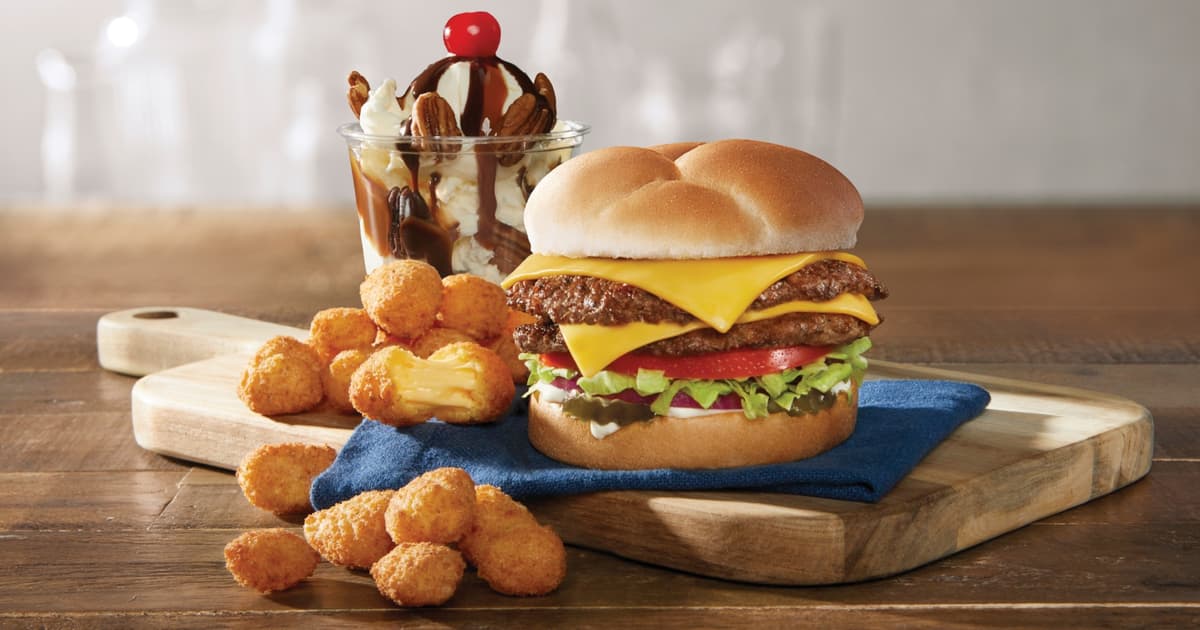
As Culver's Expands Into New Markets, Menu Innovation Accelerates
•March 6, 2026
0
Why It Matters
The dual push of market expansion and product diversification positions Culver's to capture new customer segments and defend market share against larger fast‑food rivals.
Key Takeaways
- •Culver's entering 12 new states by 2027
- •Introducing regional burgers tailored to local tastes
- •Plant‑based options added to core menu lineup
- •Supply chain upgraded for faster ingredient sourcing
- •Digital ordering platform rolled out in new locations
Pulse Analysis
Culver's expansion strategy reflects a calculated move beyond its traditional Midwestern stronghold, targeting high‑growth markets in the South and West where fast‑casual demand outpaces supply. By leveraging demographic data and franchisee partnerships, the chain aims to open roughly 150 new restaurants over the next two years, focusing on suburban clusters with strong family traffic. This geographic diversification reduces reliance on saturated markets and creates cross‑regional brand awareness, a critical step as competitors like Shake Shack and Chick‑fil‑A intensify their own expansion efforts.
Menu innovation serves as the engine driving the brand’s broader appeal. The company’s culinary team is rolling out region‑specific items—such as a Cajun‑spiced chicken sandwich in the Gulf Coast and a smoked‑pepper burger in the Rockies—while simultaneously introducing a permanent plant‑based line to attract flexitarian diners. Limited‑time offers tied to local events generate buzz and encourage repeat visits, aligning with consumer trends that favor novelty and perceived authenticity. These product experiments also provide valuable data that can be scaled nationally if successful, reinforcing Culver's reputation for quality comfort food with a modern twist.
Operationally, the expansion necessitates a revamp of supply chain logistics and digital infrastructure. Culver's is consolidating its distribution network to shorten lead times, ensuring fresh ingredients reach new outlets without compromising its signature butter‑baked pies. A unified digital ordering platform, integrated across mobile apps and in‑store kiosks, streamlines the customer experience and supplies real‑time sales analytics for menu optimization. Looking ahead, the synergy between geographic growth, menu diversification, and technology adoption positions Culver's to capture incremental revenue, improve same‑store sales, and solidify its standing as a resilient player in the evolving fast‑casual landscape.
As Culver's expands into new markets, menu innovation accelerates
0
Comments
Want to join the conversation?
Loading comments...