As Regional Conflict Takes Its Toll, Dubai’s Hoteliers Are Responding Strategically
Why It Matters
The forced closures and accelerated renovations reshape supply, pricing power, and labor dynamics, influencing Dubai’s ability to sustain its tourism‑driven non‑oil growth.
Key Takeaways
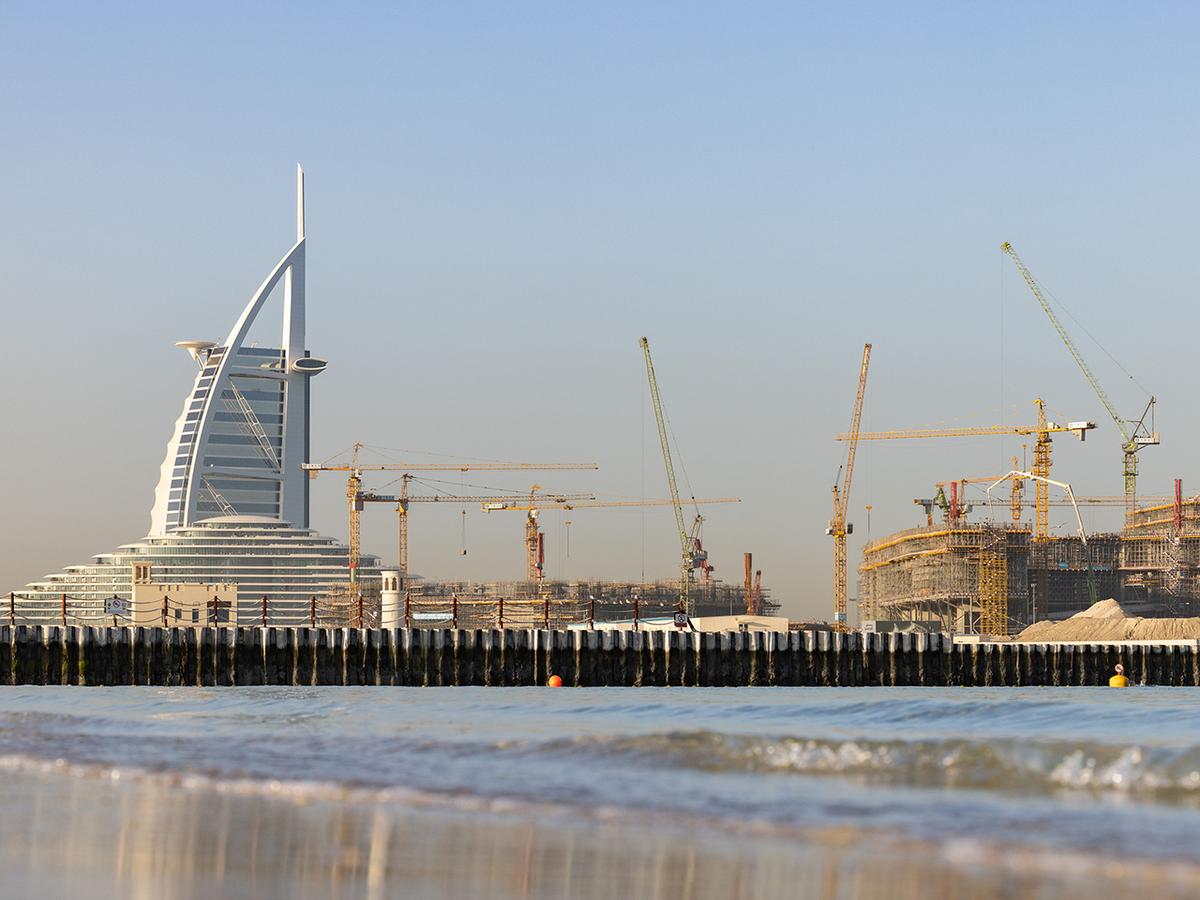
- •Burj Al Arab shuts for 18‑month renovation, accelerating Jumeirah's upgrade plan
- •Nearly 2,000 Dubai rooms slated for refurbishment amid regional slowdown
- •Hotels slash rates, targeting 80‑90% occupancy despite profit pressures
- •Smaller operators risk closure as labor cuts and F&B losses mount
Pulse Analysis
Dubai’s hotel market has entered a rare contraction after three years of near‑full capacity. The decision by Jumeirah to close the iconic Burj Al Arab for a year‑and‑a‑half reflects a broader industry trend: fast‑tracking refurbishments to refresh aging inventory while demand dips due to geopolitical tensions. Roughly 2,000 rooms—about 1.3% of the emirate’s stock—are slated for upgrades, and many operators are using the summer lull to overhaul larger batches of rooms, hoping to emerge with a more competitive product for the high‑season winter influx.
At the same time, hotels are aggressively discounting to sustain occupancy levels that still hover in the 80‑90% band. This “bums in beds” approach protects cash flow but erodes revenue per available room (RevPAR), putting pressure on profitability. Larger, government‑backed chains can absorb months of reduced income, but independent hotels and their food‑and‑beverage outlets face tighter margins, staff reductions, and in some cases, existential risk. Labor considerations are acute in a market reliant on a vast expatriate workforce, where renovation periods translate into unpaid leave or shift cuts.
The longer‑term implications hinge on whether Dubai’s tourism narrative of resilience can offset lingering traveler anxieties. Real‑time data, AI‑driven sentiment analysis, and targeted marketing are being deployed to lure “resilient” segments, yet perception of instability can outweigh price incentives. If regional peace holds and winter bookings rebound, the refurbishment wave could position Dubai’s hospitality sector for a stronger post‑crisis era. Conversely, prolonged conflict or a shift in consumer sentiment could expose the limits of the emirate’s growth model, forcing a reassessment of its reliance on constant expansion and discounting tactics.
As regional conflict takes its toll, Dubai’s hoteliers are responding strategically
Comments
Want to join the conversation?
Loading comments...