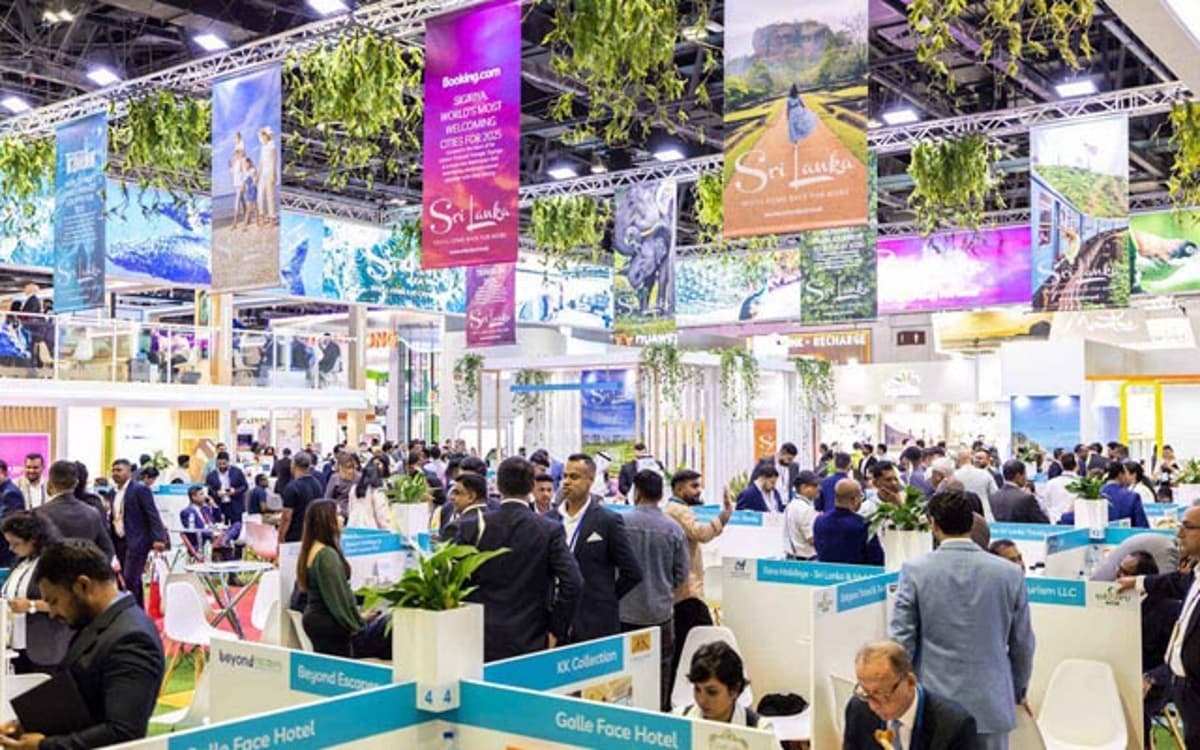
ATM 2026 Sees Rise in Asia-Pacific Exhibitor Participation
•February 13, 2026
0
Why It Matters
The expanding Asia‑Pacific presence at ATM signals heightened travel demand and trade potential between the Gulf and the region, reshaping tourism strategies and investment priorities.
Key Takeaways
- •Asia‑Pacific exhibitor count growing 13.95% CAGR 2024‑26.
- •GCC travelers favor Thailand, Malaysia, Singapore, Vietnam, Japan.
- •Gulf‑Asia trade projected $802 billion by 2030.
- •Panel will examine Asia‑GCC corridor as growth engine.
- •Air connectivity and fares boost Middle East SE Asia demand.
Pulse Analysis
Arabian Travel Market 2026 underscores Dubai’s role as a nexus for Gulf‑Asia tourism collaboration. While the event’s core focus remains on showcasing travel products, the projected 13.95% CAGR in Asian exhibitor representation reveals a strategic pivot toward the region’s burgeoning outbound demand. This shift is fueled by rising disposable incomes in GCC states and a growing appetite for diverse Asian experiences, prompting travel operators to deepen partnerships with Southeast Asian destinations.
Airlines and hospitality brands are capitalising on the momentum, leveraging improved air routes and price‑competitive fares to capture market share. The inclusion of heavyweight exhibitors such as Hilton Malaysia and Conrad Singapore signals confidence in the profitability of Gulf‑Asia itineraries. Moreover, the projected $802 billion trade volume by 2030 suggests ancillary benefits for ancillary services—ground transport, fintech, and luxury retail—creating a broader ecosystem of revenue streams tied to travel.
The "Asia‑GCC Corridor: The Next Great Growth Engine" panel will likely shape policy and investment agendas, encouraging governments to streamline visas, enhance connectivity, and co‑market tourism packages. For investors, the corridor offers a compelling case for funding infrastructure projects and digital platforms that facilitate seamless travel experiences. As the Gulf positions itself as a launchpad for Asian tourism, stakeholders who align with this trajectory stand to gain a competitive edge in a rapidly evolving market landscape.
ATM 2026 sees rise in Asia-Pacific exhibitor participation
0
Comments
Want to join the conversation?
Loading comments...