Autonomous Delivery Reaches Age of Expansion
Companies Mentioned
Why It Matters
The rollout accelerates the shift from human‑driven couriers to AI‑powered logistics, promising lower costs, faster fulfillment, and new revenue streams for retailers and restaurants.
Key Takeaways
- •Zipline to launch in Austin, Phoenix by quarter end
- •Zipline adds six major metros by year‑end
- •Coco serves 5,000 merchants across seven cities, fleet in four figures
- •Both firms stress weather‑proof autonomous delivery
- •Simple drop‑box and robot handoff speeds restaurant onboarding
Pulse Analysis
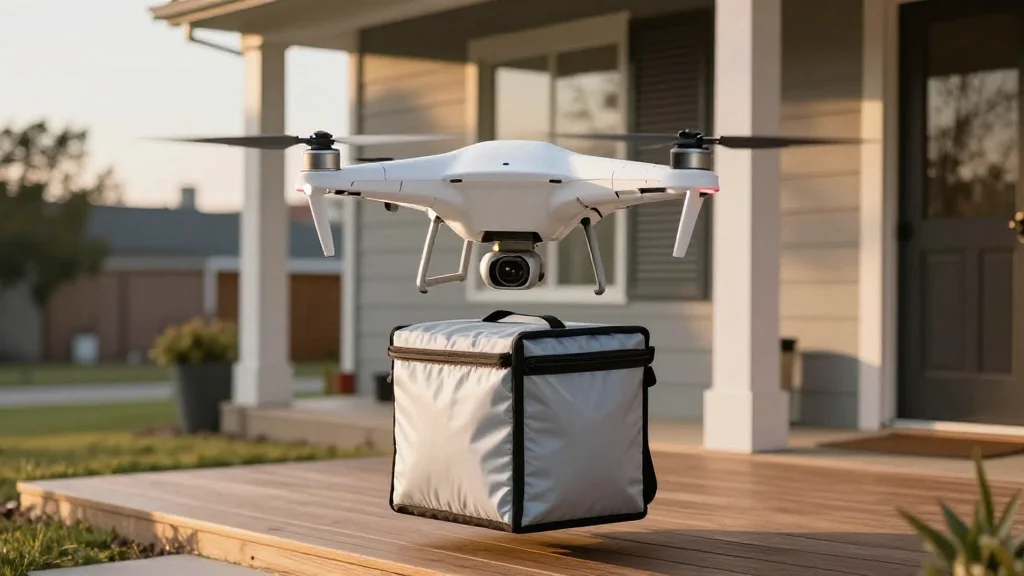
The autonomous delivery market is entering a scaling phase, driven by the convergence of advanced AI, robust robotics, and regulatory clarity. Zipline’s drone platform, already active in Houston, leverages lightweight airframes and proprietary drop‑box technology that bypasses traditional FAA permitting hurdles, enabling rapid deployment in dense urban cores. By targeting high‑growth metros such as Austin and Phoenix, Zipline taps into regions with strong tech adoption and favorable weather patterns, positioning itself to capture a sizable share of the projected 55 billion instant deliveries in the United States.
Coco Robotics takes a ground‑based approach, deploying four‑figure fleets of sidewalk robots capable of navigating snow, floodwater, and heavy traffic. Its focus on dense cities like Miami and Chicago addresses the chronic congestion that hampers conventional delivery vans, offering merchants a cost‑effective alternative that reduces mileage and emissions. With roughly 5,000 partner merchants—including grocery chains, independent eateries, and large enterprises—Coco demonstrates that a diversified client base can accelerate network effects, driving both volume and brand visibility.
The broader implications for the food‑service ecosystem are profound. Simplified onboarding—robots arriving at a doorstep for a quick lid lift or drop‑boxes installed in hours—lowers the barrier for restaurants to experiment with autonomous fulfillment. As weather‑proof capabilities become standard, consumer confidence grows, especially among demographics like seniors and families who value reliability during inclement conditions. Together, these developments suggest that autonomous delivery will evolve from a niche novelty to a mainstream logistics pillar, reshaping cost structures and competitive dynamics across the on‑demand economy.
Autonomous Delivery Reaches Age of Expansion
Comments
Want to join the conversation?
Loading comments...