Autonomous Times
Companies Mentioned
Why It Matters
These deployments signal a shift toward fully automated, low‑emission airport operations, boosting efficiency, safety and capacity while reducing labor constraints. The trend sets new standards for regulatory frameworks and commercial viability of autonomous airport logistics.
Key Takeaways
- •Changi deployed two driverless tractors for baggage transfer after 5,000 test trips
- •Fleet will grow to 24 autonomous tractors by 2027, adding cargo tow
- •Newark tests electric self‑driving shuttles from three firms for future AirTrain link
- •Aurrigo demonstrated autonomous Auto‑DollyTug to FAA and CAA at Cincinnati airport
- •Aurrigo secured ground‑handling licence for autonomous tech at East Midlands Airport
Pulse Analysis
The push for autonomous ground support equipment (GSE) is reshaping airport logistics worldwide. Sensors, AI navigation and remote monitoring now enable driverless tractors and shuttles to operate safely alongside human‑driven vehicles, cutting labor costs and improving on‑time performance. Early adopters such as Changi Airport demonstrate how rigorous testing—over 5,000 trips in Singapore—creates a reliable baseline for scaling operations, while the airport’s partnership with the Civil Aviation Authority of Singapore underscores the importance of public‑private collaboration in funding innovation.
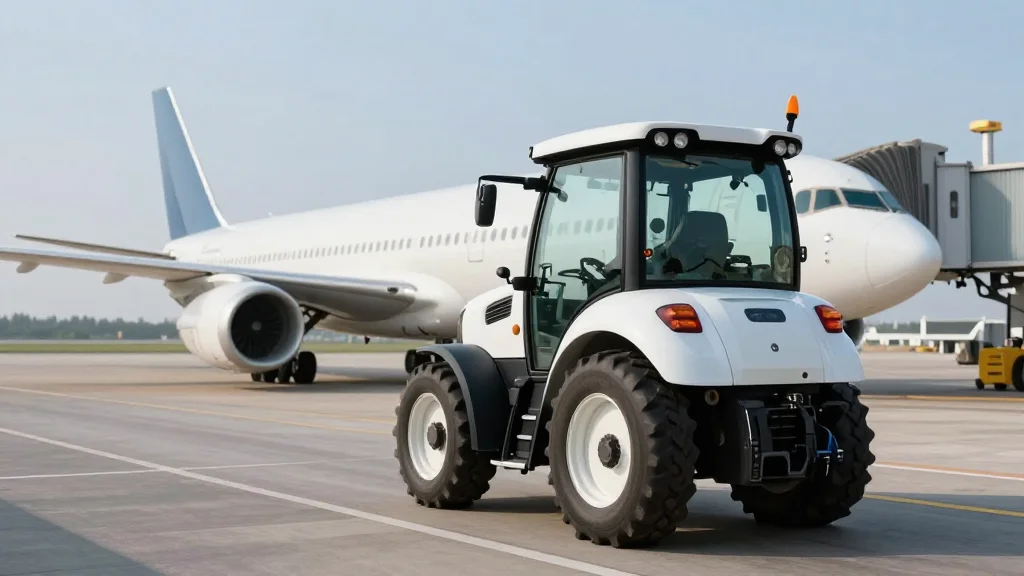
Changi’s rollout illustrates the commercial upside of autonomy. Two fully driverless tractors now shuttle baggage between Terminals 1 and 4, and a second batch will serve Terminal 2 later this year. By 2027 the fleet will expand to 24 units, handling both baggage and cargo tow tasks, which promises higher manpower productivity and reduced emissions. The deployment’s success hinges on a sensor suite of more than ten cameras per vehicle and a control‑centre that can intervene instantly, a model other airports are watching closely as they plan similar expansions.
In the U.S., Newark Liberty’s spring 2026 trials of electric autonomous shuttles aim to link the airport to the future AirTrain system, reflecting a broader trend toward zero‑emission passenger transport. Simultaneously, Aurrigo’s regulatory demo at Cincinnati/Northern Kentucky and its new ground‑handling licence at East Midlands provide a blueprint for integrating autonomous GSE within existing safety frameworks. These initiatives collectively signal that autonomous airport operations are moving from pilot projects to mainstream solutions, prompting regulators, airlines and technology firms to align on standards, cybersecurity and human‑machine interaction for the next decade of air travel.
Autonomous times
Comments
Want to join the conversation?
Loading comments...