Hotels News and Headlines
  • All Technology
  • AI
  • Autonomy
  • B2B Growth
  • Big Data
  • BioTech
  • ClimateTech
  • Consumer Tech
  • Crypto
  • Cybersecurity
  • DevOps
  • Digital Marketing
  • Ecommerce
  • EdTech
  • Enterprise
  • FinTech
  • GovTech
  • Hardware
  • HealthTech
  • HRTech
  • LegalTech
  • Nanotech
  • PropTech
  • Quantum
  • Robotics
  • SaaS
  • SpaceTech
AllNewsDealsSocialBlogsVideosPodcastsDigests

Hotels Pulse

EMAIL DIGESTS

Daily

Every morning

Weekly

Sunday recap

NewsDealsSocialBlogsVideosPodcasts
HotelsNews‘Avignon Warmed Our Bones and Fed Our Souls’: Readers’ Favourite Early Spring Trips to Southern Europe
‘Avignon Warmed Our Bones and Fed Our Souls’: Readers’ Favourite Early Spring Trips to Southern Europe
Hotels

‘Avignon Warmed Our Bones and Fed Our Souls’: Readers’ Favourite Early Spring Trips to Southern Europe

•February 20, 2026
0
The Guardian – Travel
The Guardian – Travel•Feb 20, 2026

Why It Matters

Early‑spring tourism unlocks under‑utilized assets, extending revenue windows for southern European regions and offering travelers premium experiences with lower environmental impact.

Key Takeaways

  • •Early spring offers mild weather, fewer crowds
  • •Rail links connect London to southern Europe efficiently
  • •Off‑season travel supports local economies and sustainability
  • •Diverse landscapes: Alpine lakes, Mediterranean coasts, historic towns
  • •Culinary experiences highlighted in each region

Pulse Analysis

The surge in early‑spring travel reflects a broader shift toward sustainable tourism, as travelers seek authentic experiences without the density of summer crowds. Mild temperatures across the Alpine foothills, the Mediterranean coastline and historic river valleys create ideal conditions for hiking, cycling and leisurely exploration. By venturing in April or May, visitors enjoy blooming wildflowers, clearer skies and a more intimate connection with local culture, while destinations benefit from a steadier flow of revenue that smooths out seasonal peaks.

Improved rail and ferry connectivity is a key driver of this trend. High‑speed services such as Eurostar, TGV and regional trains link London to hubs like Paris, Marseille and Freiburg in under ten hours, often complemented by night‑ferries to islands such as Corsica. These low‑carbon options reduce reliance on short‑haul flights, aligning with growing consumer demand for greener travel. Seamless ticketing, guest cards for free local transport, and integrated schedules make multi‑stop itineraries—from Annecy’s greenways to the Moselle’s vineyards—both convenient and environmentally responsible.

Each highlighted locale offers a distinct blend of natural beauty and culinary heritage. In Annecy, cyclists traverse UNESCO‑listed geoparks; Naples serves up Neapolitan pizza alongside nearby Pompeii ruins; Corsica’s spring melt fuels waterfalls and wildflower carpets; Freiburg’s Black Forest provides Swabian specialties and sustainable beer gardens; and Avignon’s pastel streets and lemon farms deliver a sensory feast. By positioning these destinations as off‑season gems, the guide encourages travelers to diversify their European itineraries, fostering deeper cultural immersion and supporting the long‑term vitality of southern Europe’s tourism ecosystem.

‘Avignon warmed our bones and fed our souls’: readers’ favourite early spring trips to southern Europe

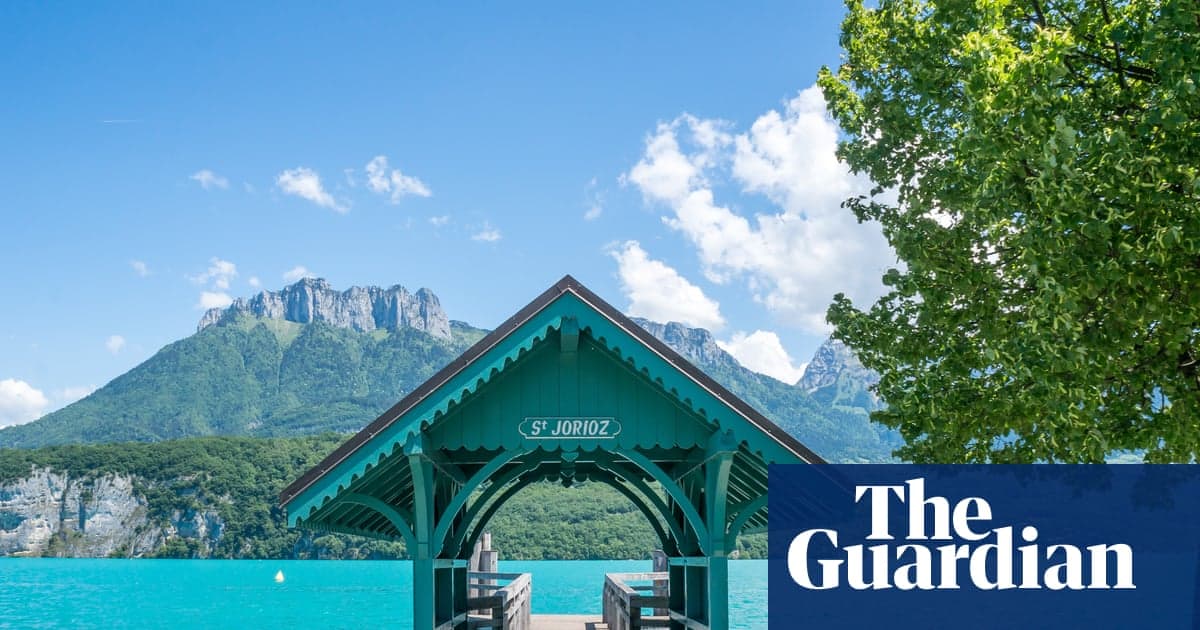
Winning tip: cycle the greenways of Annecy

Saint‑Jorioz in Haute‑Savoie will provide a springtime lift for your spirits. On the shore of Lake Annecy, it’s a short bus ride from the city of Annecy, but less busy and with superior lake and mountain views. Hike to the surrounding peaks, towards the lesser‑known Col de l’Arpettaz, or cycle on the excellent greenways. Relax by the cool blue alpine water. Behind you lies the underrated Les Bauges Unesco Geopark. The department only joined France in 1860, and has its own Italian‑influenced regional cuisine.

— Brian Lowry


Naples is best in early spring

A courtyard off Spaccanapoli.

Although not the most traditionally beautiful city in Italy, Naples offers a glimpse of warmth in early spring. A world apart from Florence or Turin, Naples is a fascinating, lived‑in city with a long history and a rich culinary tradition. The Spaccanapoli, which runs right through the core of the city, is a bustling place to walk along and experience Neapolitan life. The world‑class sites of Pompeii and Herculaneum are nearby, as are Mount Vesuvius, Sorrento and the wonderful islands of Capri, Ischia and Procida. You can get to Naples by train from London via Paris and Turin or Milan in about 15 hours.

— Michael Kuipers


Take the ferry to Corsica

Corsica in spring offers wildflower‑covered hillsides and snowy mountain peaks.

Eurostar from London via an easy connection at Lille or a change in Paris takes between six and eight hours to arrive in Marseille. After a shower at the station, refresh in Vieux Port before arriving for breakfast in Bastia, Corsica, via a comfortable night‑ferry. From Bastia, catch the scenic mountain railway into this remarkably unspoiled island to explore its wild interior and coastal regions. Mid to late spring is best for southern Europe, when snow‑melt replenishes streams and waterfalls that dry up in summer. The weather is sunny yet exceedingly pleasant, hillsides blanketed with wildflowers, wild animals nurturing their young and locals refreshed in mood.

— Jake


Germany’s greenest, sunniest city

Take the Eurostar to Paris and continue east via Strasbourg by high‑speed train through the rolling hills and vineyards of Alsace to Freiburg – Germany’s warmest, sunniest and greenest city. (Some routes go via Brussels and Cologne.) Feast on Swabian classics such as käsespätzle (cheesy egg noodles with caramelised onion), enjoy tacos at YepaYepa or drop into Hausbrauerei Feierling’s lively beer garden for a drink. From Freiburg, explore the Black Forest’s highlights, from Triberg’s cuckoo clocks and waterfalls to the treetop walk in Bad Wildbad. Opt to stay at a participating town and you’ll receive a Konus guest card, giving you free transport around the region for your entire stay.

— George


Tiny beaches near Nice

Villefranche‑sur‑Mer.

I’ve spent many happy spring breaks in Villefranche‑sur‑Mer, just a few miles east of Nice. The charm of its historic heart, the beauty of its deep‑water bay, the proximity to spectacular coast and mountains, plus excellent cafés and restaurants make it hard to beat. Take the TGV to Nice, then it’s just a few minutes on the local train (easy for day trips to Cannes and Menton, too). It should be warm enough for a dip at the tiny, secluded Plage de la Darse, or Plage de la Fosse on swanky Cap Ferrat.

— Gill R


Lemons and light on the Côte d’Azur

The calm blue bay of Menton.

My sister and I spent a beautiful sunny few days in Menton on the Côte d’Azur in early April. We wandered the cobbled streets with their pastel‑coloured buildings, ate a mix of French and Italian meals (it’s the last French town before the Italian border) and paddled in the calm blue bay. We trekked in the hills north of the town, past stunning houses, pine trees and spring flowers to explore Maison Gannac, a citrus farm that grows the Menton lemon, which is renowned for its flavour and aroma.

— Katie


A boat trip along the Moselle in Germany

The view from Burg Landshut castle ruins.

The Moselle valley in April was stunning. Starting in the old Roman city of Trier, with its amazing Porta Nigra gate, we followed the river 30 miles north‑west to enjoy the panoramic views from Burg Landshut. We took boat trips, including to Cochem, to take the chairlift opposite the castle up to the Pinnerkreuz viewpoint. Early April means wildflower‑strewn meadows and fewer visitors. Castles, boats and cable cars kept the children entertained; the fresh Moselle valley Rieslings kept the adults happy. We finished our trip in Koblenz, with its selection of traditional breweries where späzle and schnitzel pair well with any beer.

— Kirsten Lowery


Coastal paths near Perpignan

The harbour at Port‑Vendres.

Go south by train and resist the rush. Take the Eurostar to Paris, then a fast TGV to Perpignan in six hours, before a final 25‑minute local train to Port‑Vendres – about nine hours from London, end to end. Early spring suits this working harbour: many places are shut, the fish market is not. Lunch at its no‑nonsense restaurant, then walk the coastal paths to Collioure, brighter and busier by comparison. The Pyrénées‑Orientales coast is one of France’s sunniest areas, and even out of season the light does much of the work.

— Becky


The hazily golden city of Avignon

The Rhône at Avignon.

En route to Sicily via ferry from Genoa, we stopped in Avignon. We got off the train in the early evening to find a hazily golden city with winding medieval streets full of small independent shops, the amazing Palais des Papes (Popes’ Palace), a beautiful shining Rhône river – and we explored the remaining four arches and gatehouse of the 12th‑century Pont Saint‑Bénézet. Everywhere was walkable, from the very comfortable and reasonably‑priced Bristol Hotel. Warm in the evening, plenty of traditional restaurants, no crowds. In the off‑season, Avignon relaxed us, warmed our bones and fed our souls.

— Hilary

Read Original Article
0

Comments

Want to join the conversation?

Loading comments...