Why It Matters
BerlinPay could demonstrate a viable alternative to visitor caps or taxes, showing how cities can protect public spaces while preserving tourism revenue. Its outcome may set a template for other major destinations facing overtourism pressures.
Key Takeaways
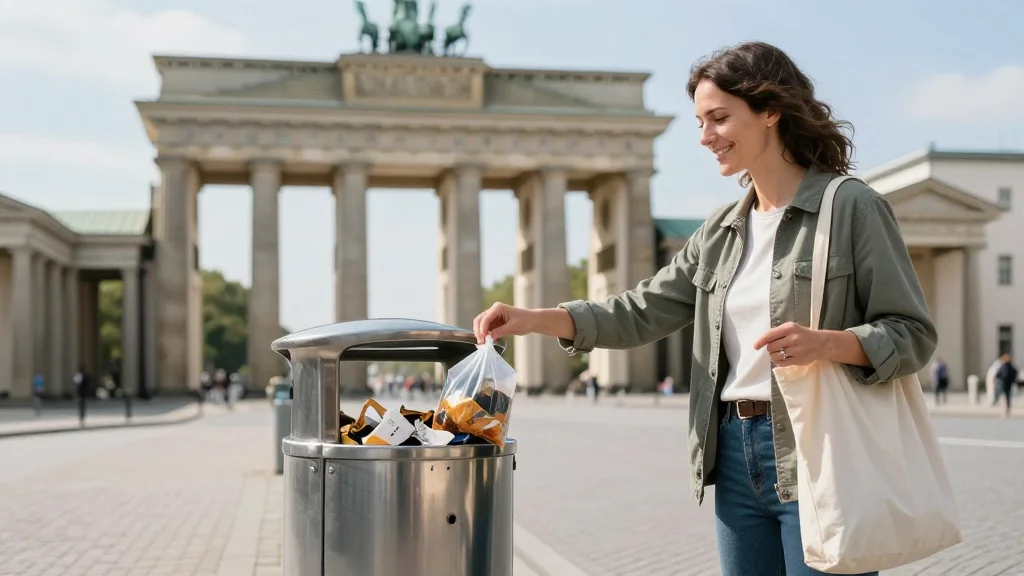
- •BerlinPay launches summer 2026 rewarding tourists for clean-up actions
- •Incentives include discounts, experiences, and mobility services from local partners
- •Program modeled on Copenhagen’s CopenPay, which boosted bike rentals 59%
- •Over 100 destinations exploring similar reward‑based tourism frameworks
- •Success hinges on partnership engagement and measurable environmental impact
Pulse Analysis
Tourism’s environmental footprint is becoming a boardroom priority, and Berlin’s "BerlinPay" initiative reflects that shift. Rather than imposing restrictive visitor caps, the city is experimenting with a reward‑based model that turns tourists into active contributors. By offering tangible perks—discounted museum tickets, free bike rentals, or public‑transport vouchers—the program aligns visitor behavior with municipal cleanliness goals, potentially reducing cleanup costs and improving the city’s image among eco‑conscious travelers.
The blueprint draws heavily from Copenhagen’s CopenPay, which saw a 59% surge in bike rentals and engaged more than 30,000 participants in 2024‑25. Those results sparked the DestinationPay framework, a collaborative effort among over 100 global destinations seeking to replicate the incentive structure. Early adopters report not only immediate behavioral changes but also longer‑term shifts toward sustainable travel habits, suggesting that positive reinforcement can be more effective than punitive measures.
Nevertheless, BerlinPay faces practical hurdles. Reliance on local business partnerships means the value of rewards must remain compelling without inflating costs. Measuring true environmental impact—beyond litter collected—requires robust data collection, and there’s a risk of perceived greenwashing if incentives appear superficial. If Berlin can balance these challenges, it may provide a scalable model that other major cities adopt, reshaping how the industry reconciles growth with sustainability.
Berlin to Pay Tourists for Cleaning Up the City
Comments
Want to join the conversation?
Loading comments...