Birmingham Airport in the UK Demonstrates Its Green Credentials
Why It Matters
The achievement shows measurable progress toward net‑zero aviation, setting a benchmark for UK airports and influencing regulators, investors and airline partners to prioritize carbon reduction.
Key Takeaways
- •Birmingham Airport reaches Level 4 Airport Carbon Accreditation.
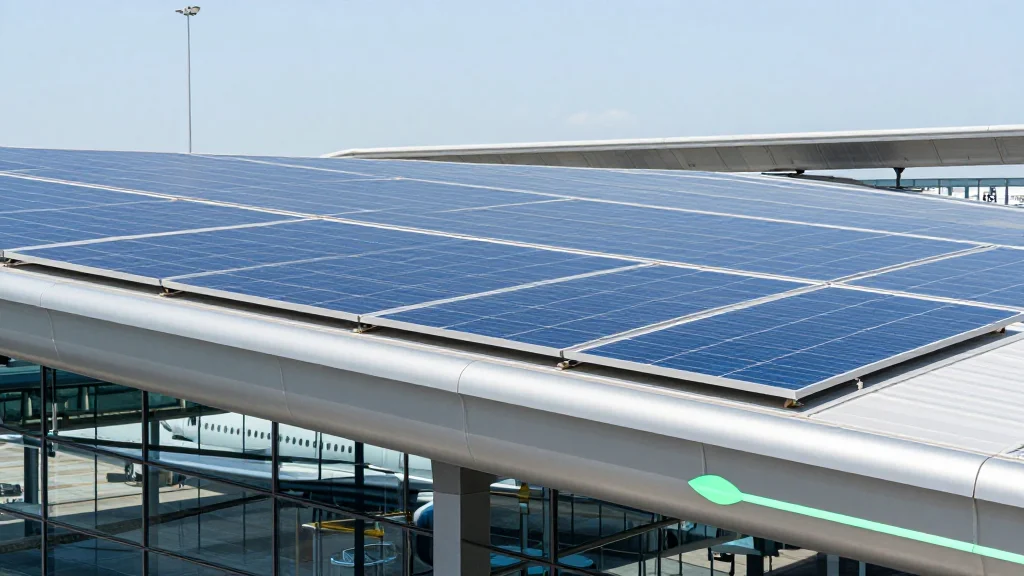
- •6.8 MW solar PV array installed to power airport operations.
- •LED lighting and smart controls cut energy consumption.
- •Five‑year strategy targets net‑zero airport‑controlled emissions by 2033.
- •Collaboration with airlines and ground handlers expands emissions reductions.
Pulse Analysis
Aviation accounts for roughly 2‑3% of global CO₂ emissions, and airports are under increasing pressure to curb their carbon footprints. The Airport Carbon Accreditation (ACA) scheme provides a transparent, tiered framework that rewards measurable emissions reductions. By attaining Level 4, Birmingham Airport joins a select group of facilities that have moved beyond basic reporting to demonstrate concrete, science‑based carbon management, signaling to stakeholders that sustainability is embedded in its operational DNA.
The airport’s five‑year sustainability roadmap translates ambition into action. A 6.8 MW solar photovoltaic array now supplies a significant share of on‑site electricity, while LED lighting retrofits and intelligent controls slash energy use across terminals and aprons. Parallel investments in electric‑vehicle charging stations and low‑carbon aviation fuels extend the impact beyond the airport’s own emissions, engaging airlines, ground handlers and concessionaires in a collaborative decarbonisation effort. These projects not only reduce operating costs but also generate ancillary benefits such as improved air quality and enhanced passenger experience.
BHX’s Level 4 accreditation carries broader industry implications. It sets a practical benchmark for other UK and European airports aiming to meet tightening emissions regulations and investor ESG expectations. The visible commitment may attract airlines seeking greener hubs, bolster the airport’s brand, and unlock financing tied to sustainability performance. As the sector moves toward a net‑zero future, Birmingham Airport’s integrated approach—combining renewable energy, technology upgrades and stakeholder collaboration—offers a replicable model for the next generation of carbon‑smart airports.
Birmingham Airport in the UK demonstrates its green credentials
Comments
Want to join the conversation?
Loading comments...