Why It Matters
The regulations balance economic growth from tourism with the preservation of whale sharks, a keystone species, ensuring long‑term viability of Bohol’s marine attractions. By setting clear standards, the province can attract responsible operators and safeguard its biodiversity reputation.
Key Takeaways
- •Bohol adopts IRR for regulated whale‑shark interactions.
- •Operators must obtain provincial accreditation to run tours.
- •Guidelines enforce sustainability standards and marine wildlife safeguards.
- •Framework aligns with Bohol’s wider eco‑tourism development plan.
- •New rules support local economies while protecting whale sharks.
Pulse Analysis
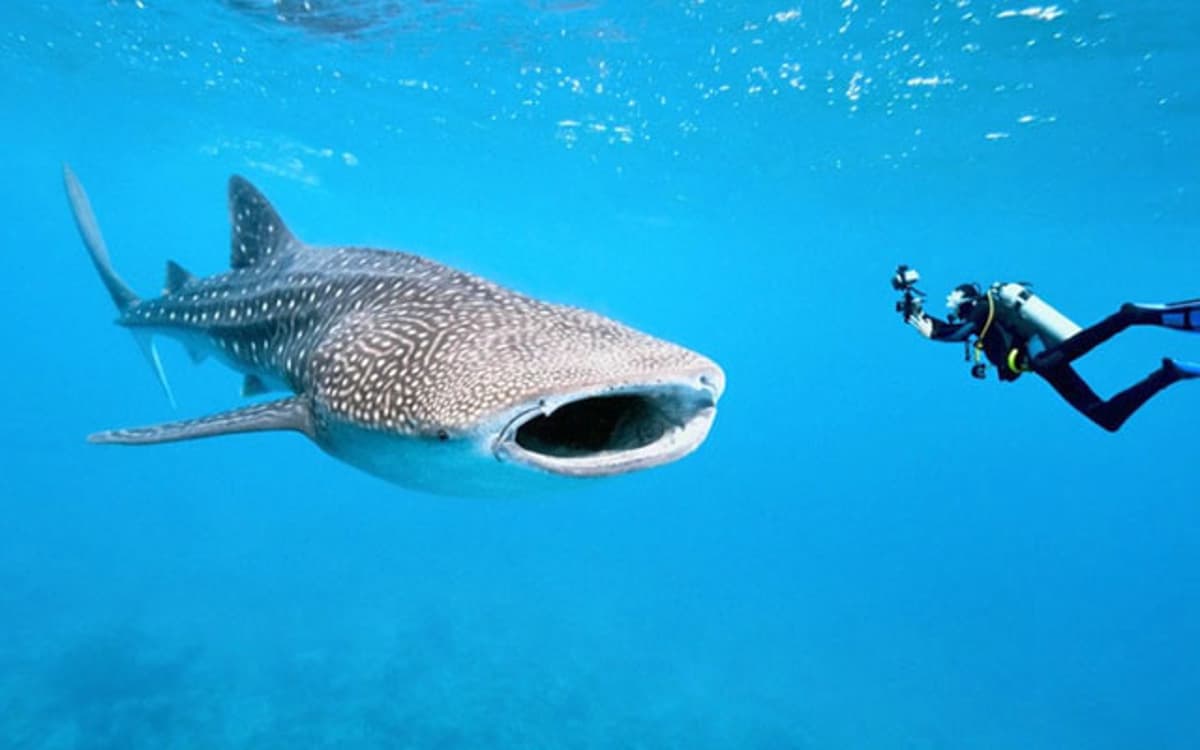
Whale‑shark tourism has surged worldwide, drawing divers and photographers to rare, gentle giants. Yet unchecked activity can degrade habitats and stress the animals, prompting destinations from Mexico to the Maldives to impose stricter controls. Bohol’s new ordinance arrives at a critical juncture, offering a template that blends visitor access with scientific guidelines, ensuring that each encounter contributes to conservation funding rather than ecological harm.
The provincial ordinance outlines a clear accreditation pathway for tour operators, mandating crew training, limit caps on daily interactions, and mandatory reporting of sightings. Sustainability metrics—such as fuel‑efficient vessels, waste‑management protocols, and no‑touch policies—are now enforceable by local authorities. Compared with neighboring Philippine provinces, Bohol’s framework is more granular, providing a legal backbone that can be audited and refined as data on shark behavior accumulates. Operators who adapt quickly will gain a competitive edge, marketing themselves as compliant, eco‑friendly experiences.
Beyond the sharks, the regulation dovetails with Bohol’s broader eco‑tourism agenda, which leverages its UNESCO Global Geopark status, coral reefs, and cultural sites. By protecting a marquee attraction, the province safeguards revenue streams for coastal communities, from dive shops to homestays. The challenge will be monitoring compliance across dispersed islands, but the IRR’s reporting requirements lay groundwork for real‑time oversight. If successful, Bohol could become a benchmark for sustainable marine tourism in Southeast Asia, attracting conscientious travelers and investors alike.
Bohol sets framework for sustainable whale shark tourism
Comments
Want to join the conversation?
Loading comments...