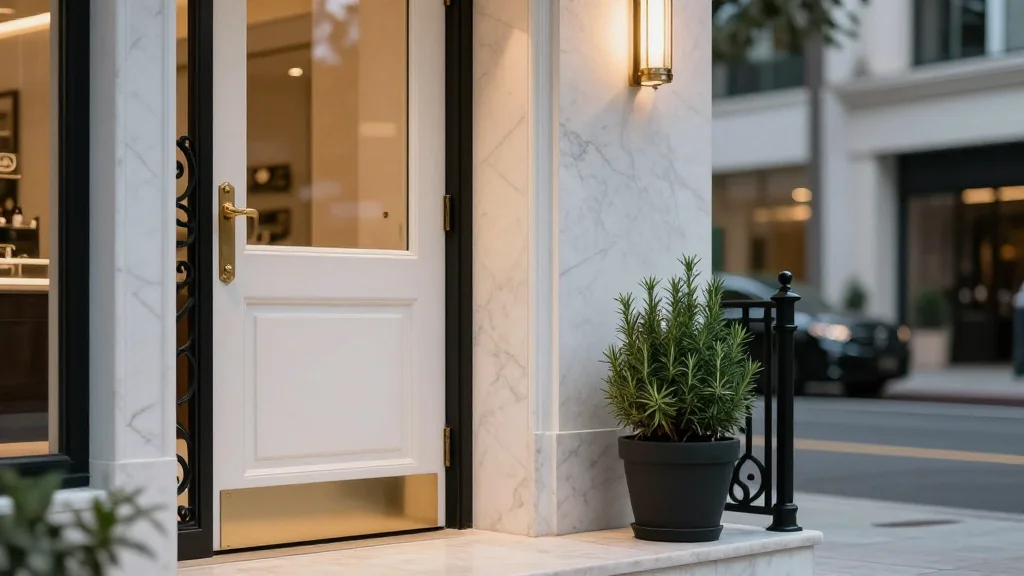
Boutique Hôtel Lili Opens in Beverly Hills with Rooms Starting at $325

Why It Matters
Hôtel Lili’s debut signals a shift in how luxury hospitality can be packaged for price‑sensitive affluent travelers. By delivering a high‑design experience at a sub‑$500 rate, the hotel challenges the assumption that Beverly Hills can only be accessed through six‑figure nightly stays. This could broaden the city’s visitor base, increase tourism spend in ancillary sectors, and encourage other operators to rethink pricing strategies. The hotel also illustrates the growing relevance of boutique, design‑centric concepts in markets traditionally dominated by large, amenity‑heavy resorts. If successful, the model may inspire a wave of similar projects in other high‑cost urban enclaves, potentially democratizing access to premium locations without diluting brand cachet.
Key Takeaways
- •Hôtel Lili opened April 1 in Beverly Hills with 44 rooms
- •Nightly rates start at $325, far below the $1,000+ rates of nearby luxury hotels
- •Owned and operated by Palisociety, a LA‑based hospitality group
- •Renovated 1930s residence on Lasky Drive with Old Hollywood‑Parisian décor
- •Targets a market gap for boutique hotels priced $200‑$500 in a premium zip code
Pulse Analysis
The launch of Hôtel Lili arrives at a moment when the hospitality sector is grappling with post‑pandemic demand volatility and a consumer shift toward experiential, value‑driven travel. Historically, Beverly Hills has been a bastion of ultra‑luxury, with pricing anchored to exclusivity and extensive amenity portfolios. By stripping back the traditional hotel footprint—eschewing sprawling ballrooms and massive spas—Hôtel Lili reduces overhead while leveraging the cachet of its address. This lean‑operating model aligns with a broader industry trend where operators prioritize design and location over scale, a strategy that can yield higher RevPAR (Revenue per Available Room) if occupancy remains strong.
From a competitive standpoint, the hotel’s pricing undercuts the market’s premium tier, forcing established players to reconsider their rate structures for smaller, design‑focused rooms. While legacy properties may respond by introducing “boutique‑style” sub‑brands, they risk brand dilution if not executed carefully. Conversely, independent boutique operators could view Hôtel Lili as a validation of the affordable‑luxury niche, prompting a wave of similar conversions of historic buildings into high‑design, low‑amenity hotels.
Looking forward, the key metric will be occupancy versus ADR (Average Daily Rate). If Hôtel Lili can sustain a high occupancy rate—say 80%+—its lower ADR could still generate comparable or superior total revenue to larger hotels with higher ADR but lower occupancy. The outcome will likely influence investment decisions in boutique hotel pipelines across other high‑cost markets such as Manhattan, Miami Beach, and San Francisco, where the tension between price and perceived luxury remains a central strategic dilemma.
Boutique Hôtel Lili Opens in Beverly Hills with Rooms Starting at $325
Comments
Want to join the conversation?
Loading comments...