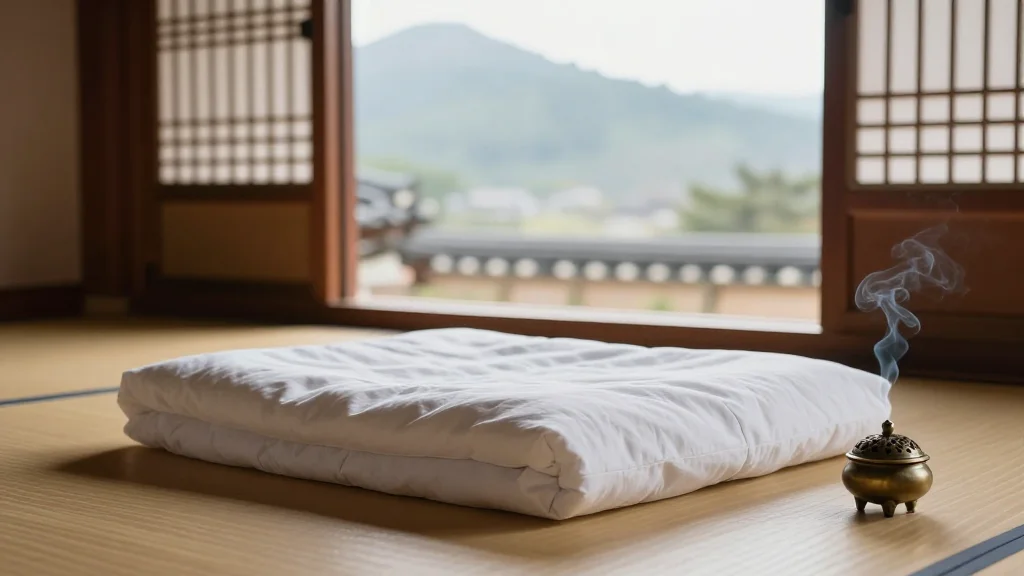
Buddhist Temples in Busan Open Stays for BTS Fans as Hotels Hit 2.4‑Times Prices

Why It Matters
The temple‑stay initiative highlights a growing reliance on alternative lodging when traditional hotel markets become oversubscribed, especially during high‑profile cultural events. By leveraging existing religious infrastructure, South Korean authorities and private groups can mitigate price gouging, protect consumer welfare, and promote cultural exchange simultaneously. The model could inspire other cities facing similar spikes in demand to partner with heritage sites, museums, or community centers, reshaping the hospitality landscape beyond conventional hotel supply. Moreover, the program showcases how soft power—through cultural immersion and hospitality—can enhance a country's tourism brand. Foreign fans not only receive affordable rooms but also a curated experience of Korean Buddhist traditions, potentially increasing repeat visitation and positive word‑of‑mouth for South Korea’s broader tourism offerings.
Key Takeaways
- •Buddhist temples in Busan, Changwon, Yangsan and Miryang will host BTS fans on June 12‑13.
- •Hotel room rates during the concert weekend rose about 2.4 times the surrounding weekends.
- •Ten temples are participating, offering free or low‑cost lodging, meals and cultural programs.
- •Temple‑stay tourism attracted 349,236 visitors last year, including 55,515 foreigners.
- •The initiative may set a precedent for using cultural sites as emergency accommodation during major events.
Pulse Analysis
The rapid mobilization of Buddhist temples to address a hotel shortage signals a shift in how South Korea manages peak‑demand tourism. Historically, the hospitality sector has relied on hotel expansion and temporary pop‑up lodging to meet spikes in demand. This time, the government’s limited ability to curb price inflation—despite inspections for unfair practices—has opened space for non‑profit and cultural actors to step in. By converting monastic quarters into budget lodging, the temples are effectively creating a parallel supply chain that operates outside the profit‑driven hotel market, thereby exerting downward pressure on inflated rates.
From a competitive standpoint, the temple‑stay model offers a differentiated product: affordable accommodation combined with cultural immersion. This dual value proposition could attract a segment of tourists who prioritize experience over luxury, potentially reshaping demand curves for mid‑range hotels. If the program proves successful, we may see a formalization of partnerships between municipal tourism boards and religious institutions, with standardized pricing, booking platforms, and quality controls. Such a framework could become a template for other high‑traffic events—sports championships, festivals, or conventions—where hotel capacity is predictably constrained.
Looking ahead, the key risk lies in balancing the sanctity of religious sites with commercial hospitality pressures. Over‑commercialization could erode the spiritual atmosphere that makes temple stays appealing, while insufficient regulation might lead to safety or hygiene concerns. Monitoring visitor satisfaction, occupancy rates, and any impact on temple operations will be crucial. If managed well, this initiative could broaden South Korea’s tourism resilience, offering a scalable, culturally rich alternative to traditional lodging during future mega‑events.
Buddhist Temples in Busan Open Stays for BTS Fans as Hotels Hit 2.4‑Times Prices
Comments
Want to join the conversation?
Loading comments...