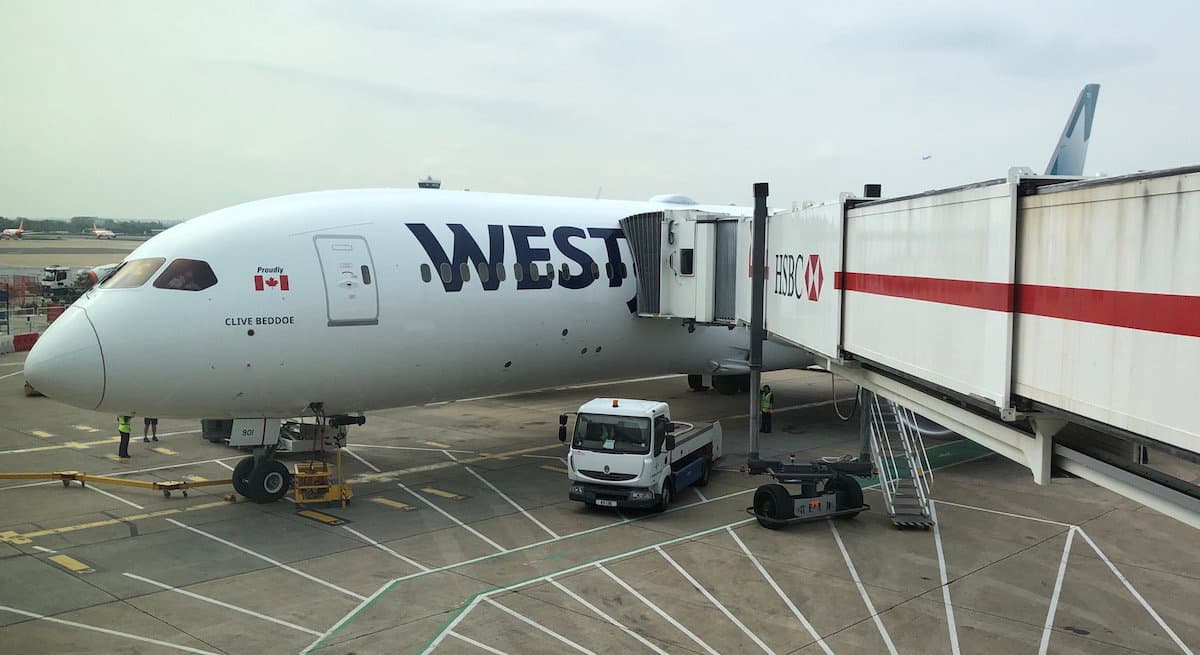
Canada Offers To Help Airlines Amid Jet Fuel Spike, And WestJet Is Furious
Companies Mentioned
Why It Matters
The dispute could shape future government‑industry relations and influence competitive dynamics in the North American aviation market, where policy choices affect both taxpayer exposure and airline viability.
Key Takeaways
- •Canada suspends jet fuel excise tax, cutting price by C$0.04 per liter.
- •New loan facility provides up to C$150 million (≈US$111 million) per airline.
- •WestJet opposes loans, calling them taxpayer subsidies and market distortion.
- •COVID‑era loan forgiveness cost Canadian taxpayers about C$400 million (≈US$296 million).
- •Competitors Air Transat and Porter are evaluating the government loan offers.
Pulse Analysis
Jet fuel prices have surged globally, pushing operating costs for airlines to unprecedented levels. In Canada, the spike threatens to erode already thin margins, prompting the federal government to act. By suspending the jet‑fuel excise tax—saving carriers roughly four Canadian cents per litre—and rolling out a Liquidity for Airline Sector Resilience facility, policymakers aim to provide short‑term relief while preserving the nation’s air connectivity. The loan program, capped at C$150 million (about US$111 million) per eligible carrier, is designed as a bridge financing tool rather than a permanent subsidy.
WestJet’s vocal opposition diverges sharply from the typical industry response to state aid. The carrier frames the loans as a form of corporate charity that would channel hundreds of millions of taxpayer dollars into competitors, echoing the C$400 million (≈US$296 million) COVID‑era bailouts that were later forgiven. By contrasting Canada’s approach with the United States’ refusal to bail out airlines—citing a level playing field—WestJet positions itself as a fiscally disciplined competitor that can thrive without government cash. This stance resonates with shareholders and taxpayers but also risks alienating regulators if the airline appears to undermine a coordinated sector‑wide response.
The broader implications extend beyond a single policy debate. If the loan facility disproportionately benefits smaller or financially weaker carriers, it could reshape market share and intensify consolidation pressures. Conversely, a refusal by a major player like WestJet to accept aid may set a precedent for self‑reliance, prompting other airlines to tighten cost structures and explore alternative hedging strategies. For policymakers, balancing immediate relief with long‑term market fairness will be crucial, as any perception of favoritism could trigger political backlash and affect future aviation funding frameworks.
Canada Offers To Help Airlines Amid Jet Fuel Spike, And WestJet Is Furious
Comments
Want to join the conversation?
Loading comments...