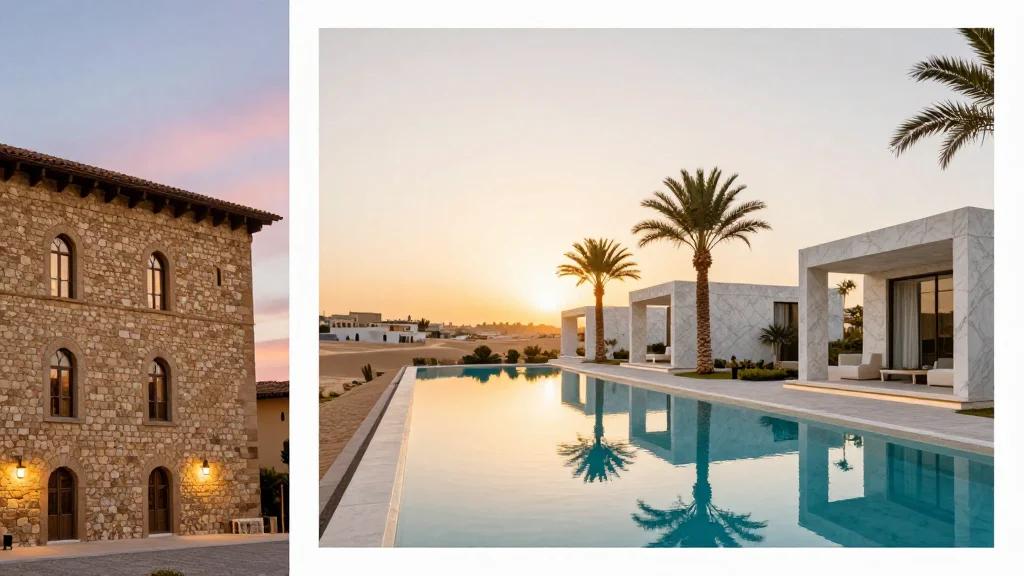
Capella Hotels to Double Portfolio by 2030, Opens First European Site in Florence and Riyadh Resort

Why It Matters
Capella’s ambitious doubling plan signals confidence in ultra‑luxury demand despite recent geopolitical turbulence, suggesting that high‑net‑worth travelers remain willing to spend on exclusive experiences. By entering Europe and the Gulf, the brand diversifies its geographic exposure, reducing reliance on its Asian stronghold and positioning itself to capture growth in two of the world’s most visited luxury markets. The shift toward integrating residential components reflects a broader industry trend where hotel operators monetize real‑estate assets beyond traditional room revenue. If successful, Capella’s model could inspire other boutique luxury chains to adopt hybrid hotel‑residence strategies, reshaping capital allocation and asset‑light approaches in the sector.
Key Takeaways
- •Capella aims to double its portfolio to ~24 properties by 2030.
- •First European hotel in a 12th‑century Florence compound slated for late 2027.
- •Riyadh resort also delayed to 2027 due to Iran war, highlighting geopolitical risk.
- •Current portfolio includes 10 luxury hotels and 2 Patina lifestyle properties.
- •New strategy adds residential units to resorts, creating alternative revenue streams.
Pulse Analysis
Capella’s expansion plan arrives at a moment when the ultra‑luxury hotel segment is consolidating around a few independent operators. By leveraging its family‑owned status, the brand can move faster than publicly traded rivals that must satisfy broader shareholder mandates. The focus on gateway cities mirrors a proven playbook: secure high‑visibility locations that attract affluent travelers and then deepen presence in adjacent neighborhoods. This approach mitigates the risk of over‑extension while still delivering the scale needed to negotiate better supplier terms and enhance brand cachet.
However, the timing is fraught. The Iran war has already curtailed tourism flows to the Gulf, eroding daily revenue by an estimated $600 million across the region. Capella’s decision to push the Riyadh opening to 2027 reflects prudent risk management but also delays potential cash generation. The addition of residential units could offset some of this lag, yet it introduces complexity in sales, marketing and operations. Success will depend on Capella’s ability to balance luxury service standards with the demands of private owners.
If Capella can execute its roadmap, it may set a new benchmark for boutique ultra‑luxury chains: aggressive yet selective growth, diversified geographic exposure, and a hybrid hotel‑residence model. Competitors will likely watch closely, and investors may begin to value family‑owned luxury brands higher, anticipating similar expansion trajectories.
Capella Hotels to Double Portfolio by 2030, Opens First European Site in Florence and Riyadh Resort
Comments
Want to join the conversation?
Loading comments...