Cheese Is Melting All over Menus, Giving Sales a Solid Boost
•March 4, 2026
0
Why It Matters
Cheese‑driven menu innovations boost revenue with minimal ingredient cost, reshaping casual‑dining profitability. The surge also pressures dairy supply chains and prompts brands to balance indulgence with health trends.
Key Takeaways
- •Chili’s sparked viral cheese pull trend.
- •Chains add cheese‑laden menu items.
- •Cheese items raise average ticket size.
- •Dairy suppliers see increased demand.
- •Trend boosts same‑store sales across casual segment.
Pulse Analysis
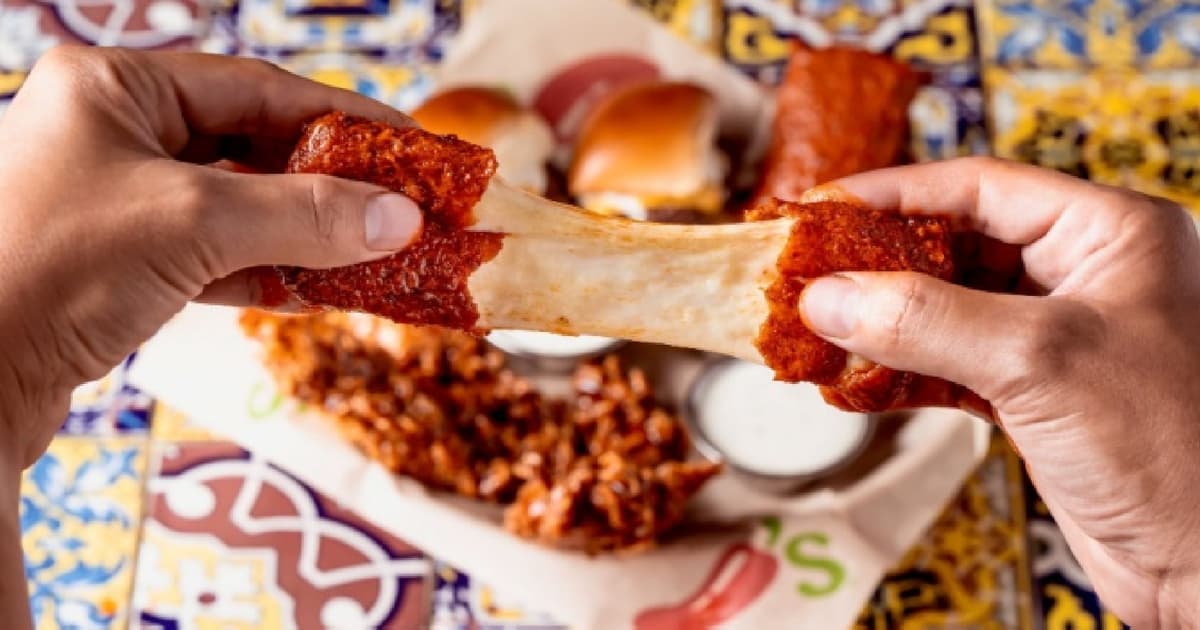
The cheese craze began when Chili’s posted a short video of a melty cheese pull, instantly garnering millions of views. In the age of TikTok and Instagram, visual appeal drives dining decisions, and the stretchy, glossy cheese became a perfect shareable moment. Restaurants quickly recognized the low‑cost, high‑impact nature of cheese, adding it to burgers, loaded fries, and even salads to tap into the impulse‑driven consumer mindset.
From a financial perspective, cheese is an inexpensive ingredient that can dramatically increase perceived value. By layering extra cheese, operators lift average check amounts without proportionally raising food costs, improving gross margins. Menu engineering teams are also using cheese as a strategic lever, pairing it with premium proteins or limited‑time offers to create urgency. The result is a measurable uptick in same‑store sales, with several chains reporting double‑digit growth in the quarter following their cheese rollouts.
The ripple effect extends to the dairy supply chain, where processors report heightened demand for mozzarella, cheddar, and specialty blends. While the trend fuels short‑term gains, analysts caution against over‑saturation; consumer health awareness could temper enthusiasm for indulgent, high‑fat items. Brands that innovate—offering artisanal or plant‑based cheese alternatives—may sustain the momentum while addressing evolving dietary preferences, ensuring the cheese pull remains a profitable, adaptable tool in the casual‑dining playbook.
Cheese is melting all over menus, giving sales a solid boost
0
Comments
Want to join the conversation?
Loading comments...