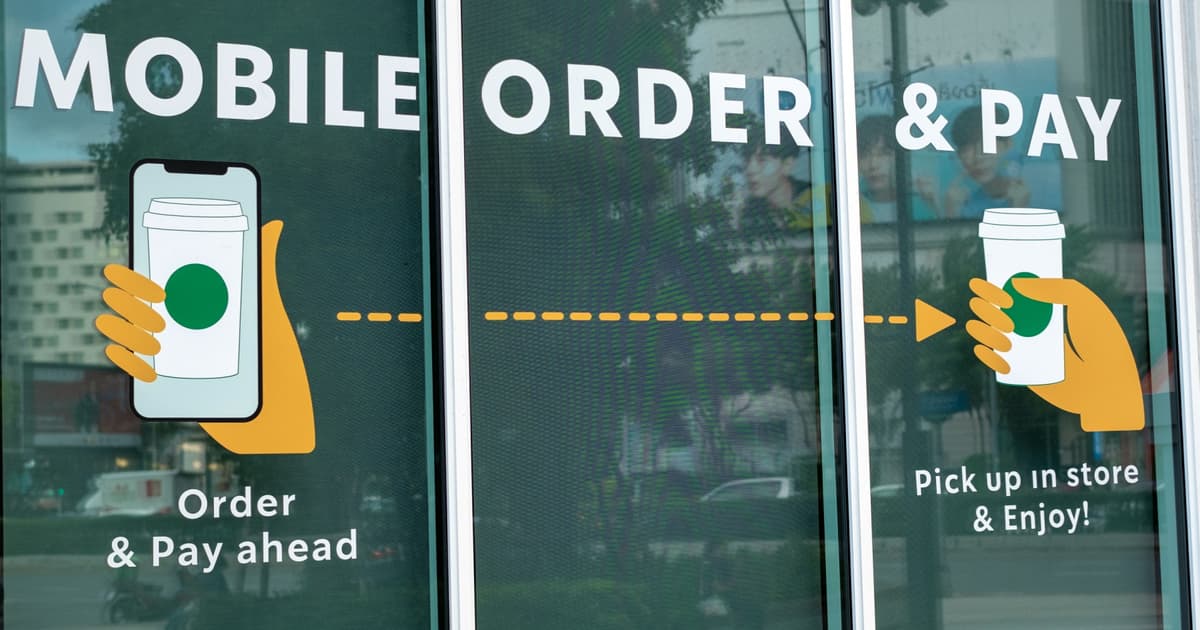
Consumers Are Sending a Signal on Tech. Restaurants Should Listen
•February 24, 2026
0
Why It Matters
Tech adoption directly impacts revenue growth and brand perception in the highly competitive dining sector, making timely adaptation essential for survival.
Key Takeaways
- •Consumers favor seamless digital ordering experiences
- •Contactless payment adoption up 27% YoY
- •Tech‑savvy diners expect real‑time menu updates
- •Restaurants integrating AI see 12% higher check averages
- •Over‑reliance on tech can erode personal service
Pulse Analysis
The restaurant landscape is undergoing a digital renaissance, driven by a generation of diners who expect the same frictionless experience they receive from e‑commerce platforms. Mobile ordering apps, QR‑code menus, and integrated loyalty programs are no longer optional add‑ons; they have become core components of the guest journey. Operators who invest in robust, user‑friendly interfaces can capture valuable data, personalize offers, and accelerate table turnover, ultimately boosting average check size. However, technology must complement, not replace, the human touch that defines hospitality.
Balancing automation with authentic service is the next strategic frontier. While AI‑powered recommendation engines and kitchen display systems improve efficiency, they can also create a sterile environment if not paired with attentive staff. Successful brands are adopting a hybrid model: leveraging tech for speed and accuracy while empowering employees to deliver personalized interactions. Training programs that teach staff to interpret data insights and respond empathetically are proving critical in maintaining the warmth of the dining experience.
Looking ahead, the convergence of contactless payments, voice‑activated ordering, and augmented reality menus will reshape expectations further. Restaurants that build flexible tech stacks—capable of integrating emerging tools without overhauling core operations—will stay ahead of consumer demand. Moreover, transparent data practices and cybersecurity safeguards will become differentiators as diners grow more privacy‑conscious. In this evolving ecosystem, listening to consumer tech signals and responding with balanced, secure innovations will be the hallmark of industry leaders.
Consumers are sending a signal on tech. Restaurants should listen
0
Comments
Want to join the conversation?
Loading comments...