Container Hotel Turns to Heat Pump Technology to Deliver Sustainable Hot Water
•March 6, 2026
0
Why It Matters
The deployment proves that high‑efficiency heat‑pump water heating can be scaled for large, eco‑focused hospitality projects, accelerating the industry’s shift away from fossil‑fuel boilers.
Key Takeaways
- •Heat pumps use natural refrigerants for low-carbon hot water.
- •Sequencer equalizes run hours, extending equipment lifespan.
- •Coastal coating protects units from salt‑spray corrosion.
- •BACnet TCP integration enables real‑time BAS monitoring.
- •750‑gallon storage tanks provide buffer for peak demand.
Pulse Analysis
Container hotels are emerging as a sustainable alternative to traditional construction, leveraging recycled steel and modular assembly to reduce material waste and construction time. However, the high density of guests and amenities creates a steep demand for domestic hot water, a challenge that conventional electric or gas boilers struggle to meet efficiently. By adopting heat‑pump technology, hotels can capitalize on the superior coefficient of performance (COP) of these systems, turning ambient air into hot water while dramatically lowering carbon emissions—a critical advantage in climate‑conscious markets like the Bay Area.
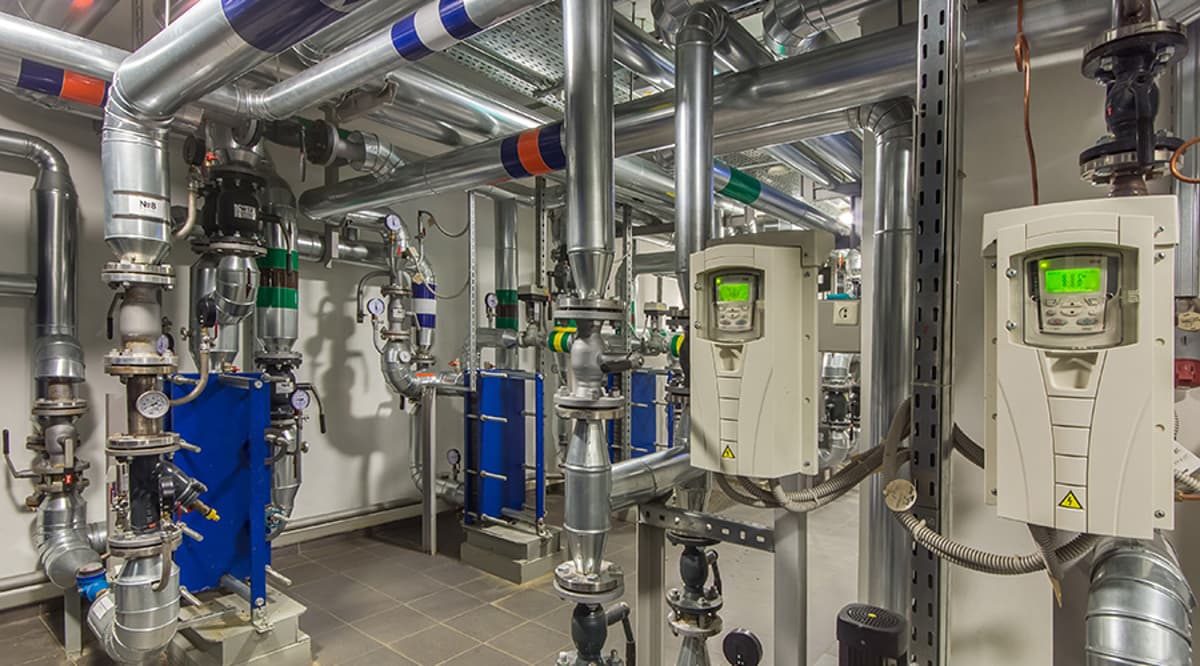
Lync’s solution combines two Aegis A 350 air‑source heat‑pump water heaters with dedicated heat‑exchanger skids, a sequencer, and dual 750‑gallon storage tanks. The evaporator coating resists salt‑spray corrosion, essential for coastal installations, while a 10 % propylene glycol loop prevents freezing. The sequencer intelligently rotates compressor run‑hours, balancing wear across units and extending service life. Integration through BACnet TCP feeds real‑time temperature, performance, and alarm data to the hotel’s building automation system, enabling operators to fine‑tune setpoints and quickly address anomalies, thereby maximizing efficiency and guest comfort.
The successful rollout demonstrates a replicable model for the hospitality sector, where sustainability goals intersect with operational economics. Heat‑pump water heating offers a pathway to decarbonize a traditionally energy‑intensive service without sacrificing reliability. As more hotels adopt electrified space‑heating and cooling, bundled solutions like Lync’s can simplify procurement, streamline maintenance, and provide measurable ROI. This case underscores the growing viability of renewable‑based water heating in high‑rise, high‑occupancy environments, positioning eco‑friendly hotels as leaders in the broader push toward net‑zero hospitality operations.
Container Hotel Turns to Heat Pump Technology to Deliver Sustainable Hot Water
0
Comments
Want to join the conversation?
Loading comments...