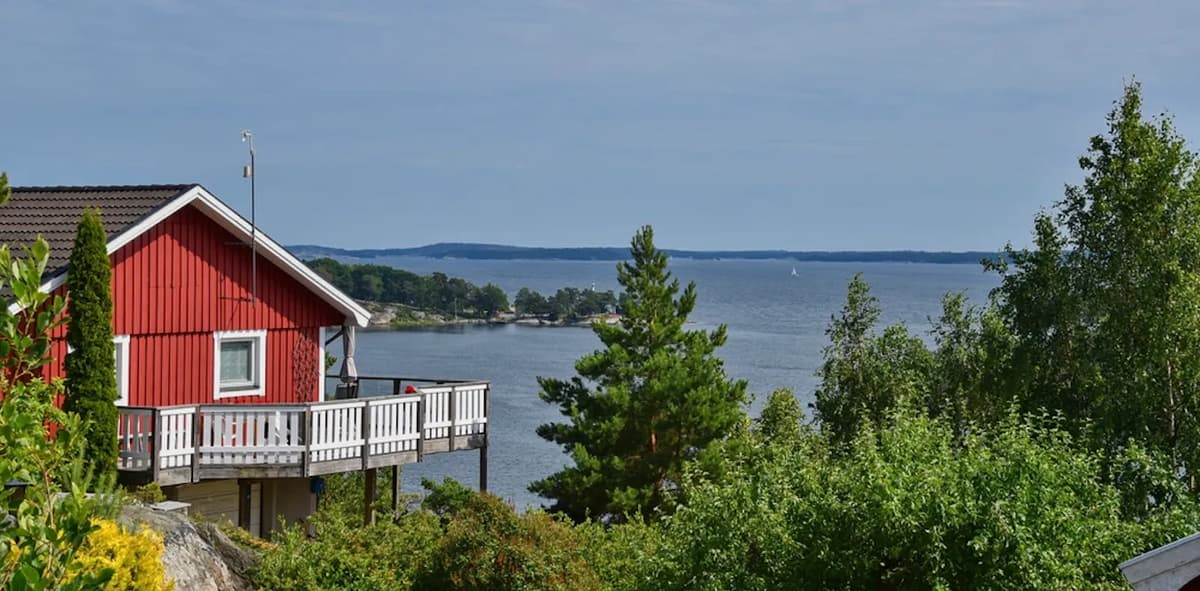
Coolcations: Why People Are Heading Away From the Sun This Summer
Why It Matters
Heat risk is turning from a seasonal nuisance into a structural threat to tourism revenue and destination viability, forcing operators and governments to rethink safety protocols and marketing strategies.
Key Takeaways
- •2024 heatwaves >40°C led to tourist deaths in Greece.
- •UK, Germany, Sweden issued travel warnings for Mediterranean hotspots.
- •28% of Europeans plan to shift travel dates to avoid heat.
- •Demand moving toward cooler regions and nocturnal tourism activities.
- •Operators must embed heat alerts into booking and on‑site communications.
Pulse Analysis
The 2024 European heatwave shattered records, pushing temperatures above 40 °C in Greece, Italy, Spain and Cyprus. Beyond the immediate danger of heatstroke—exemplified by the death of British broadcaster Michael Mosley—authorities issued unprecedented travel advisories, warning tourists of life‑threatening conditions. These alerts highlight a growing mismatch between traditional summer tourism models and a climate that is now delivering extreme heat more frequently, forcing destinations to confront safety, liability and reputational challenges.
Travel behavior is already adjusting. A European Travel Commission survey shows 28 % of would‑be holidaymakers intend to alter the timing of their trips, while demand for historically cooler locales—such as the Alpine region, Scandinavia and the Baltic states—is rising. The term “coolcations” captures this shift, reflecting a preference for milder climates and the emergence of “noctourism,” where attractions extend operating hours into cooler evenings. This reallocation of demand threatens the economic foundations of Mediterranean hotspots that rely on peak‑season revenue, prompting hot‑spot regions to diversify offerings and invest in climate‑resilient infrastructure.
Industry response must move beyond reactive measures. Embedding heat warnings into booking platforms, providing multilingual alerts at airports and hotels, and redesigning itineraries to prioritize shaded or night‑time activities can mitigate risk. Moreover, integrating tourists into national heat‑health alert systems ensures that visitors receive timely, actionable guidance. As climate models predict more frequent and intense heatwaves, proactive communication and adaptive infrastructure will be essential for preserving both visitor safety and the long‑term viability of Europe’s tourism economy.
Coolcations: why people are heading away from the sun this summer
Comments
Want to join the conversation?
Loading comments...