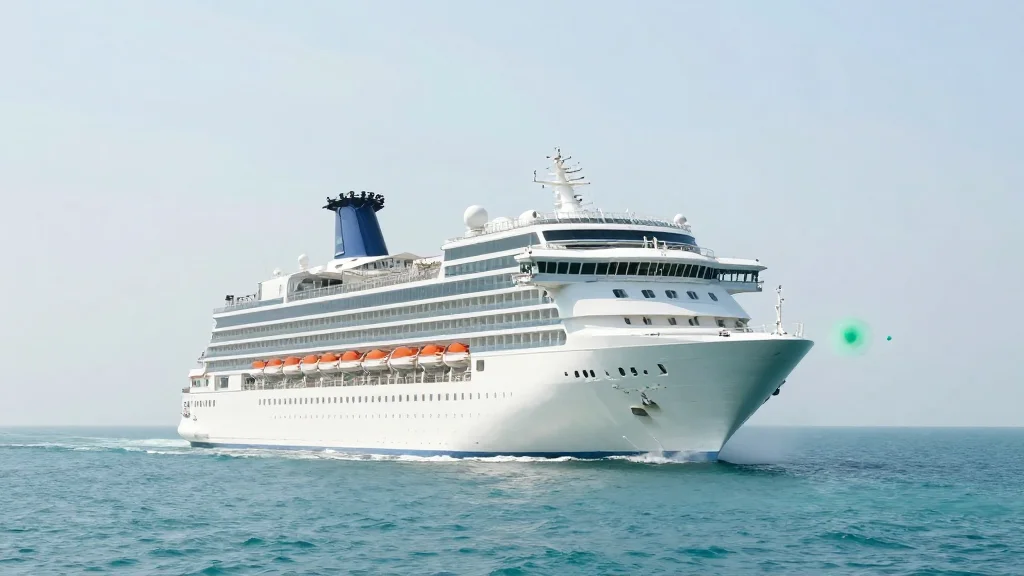
Cruise Industry on Alert After Norovirus Spreads Aboard Caribbean Princess
Why It Matters
The outbreak underscores how quickly norovirus can spread in dense, mobile environments, threatening the cruise industry's post‑pandemic recovery and the revenue streams of port‑city economies that depend on cruise tourism.
Key Takeaways
- •115 passengers and crew fell ill on Caribbean Princess
- •Outbreak triggers CDC reporting and mandatory deep cleaning
- •Norovirus resilience challenges even enhanced ship sanitation
- •Crew face higher infection risk due to shared living quarters
- •Repeated outbreaks could dent cruise bookings and Caribbean economies
Pulse Analysis
Norovirus, often dubbed the "cruise‑ship virus," thrives in the close‑quarters, high‑touch environment of modern liners. On the Caribbean Princess, a vessel carrying over 3,000 guests and 1,000 crew, the pathogen infected at least 115 individuals, prompting isolation protocols and a ship‑wide disinfection blitz. Health authorities require operators to alert the CDC once gastrointestinal illness surpasses a set threshold, after which intensive inspections and deep cleaning become mandatory. This rapid response aims to curb further spread but also highlights the limits of surface‑level sanitation against a virus that can survive on fixtures for days.
The timing of the outbreak is critical for an industry still clawing back from COVID‑19‑driven losses. Cruise operators invested billions to restore confidence, emphasizing upgraded air filtration, hand‑washing stations, and swift isolation measures. Yet each headline‑making incident risks shaking passenger trust, potentially depressing bookings, inflating travel‑insurance premiums, and disrupting port operations that rely heavily on cruise traffic. Caribbean economies, where tourism accounts for a sizable share of GDP, could see reduced visitor spend, affecting local businesses from excursion providers to restaurants.
Beyond passengers, crew members bear a disproportionate health burden, living and working in shared quarters that facilitate transmission. Labor groups are calling for stronger protections, including paid medical leave, better isolation facilities, and transparent reporting. As global travel volumes surge, the cruise sector must integrate more robust health safeguards—ranging from rapid diagnostic testing to virus‑specific disinfectants—to stay viable. The Caribbean Princess episode serves as a cautionary signal that without systemic improvements, recurring norovirus bouts could stall the sector's growth and reshape regulatory expectations worldwide.
Cruise Industry on Alert After Norovirus Spreads Aboard Caribbean Princess
Comments
Want to join the conversation?
Loading comments...