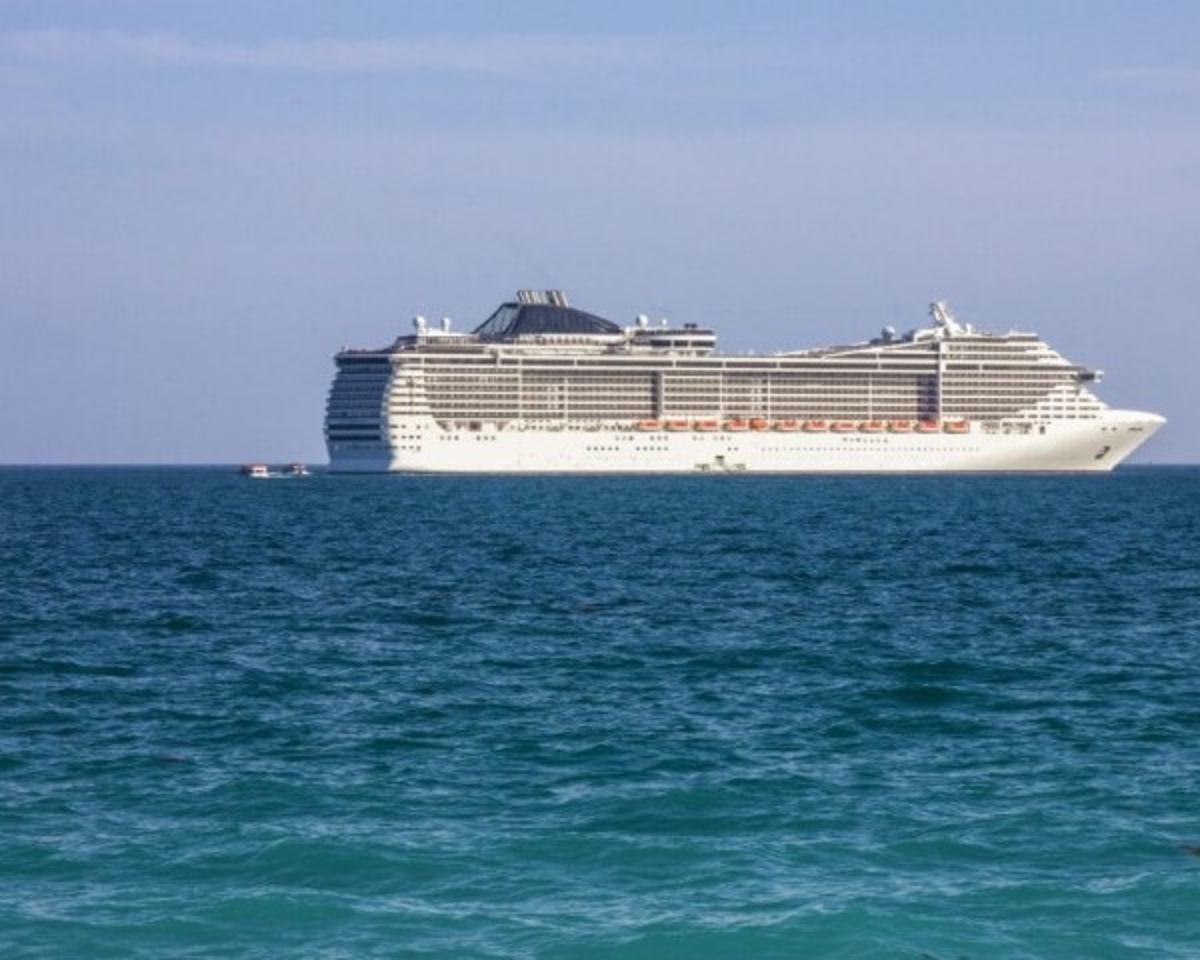
CRUISE OPERATORS SUFFER: 17,000 FLOATING BEDS STRANDED IN THE PERSIAN GULF
Why It Matters
The impasse highlights the cruise sector’s exposure to geopolitical risk, threatening revenue, capacity utilization and brand reputation. Smaller lines face disproportionate financial strain, while larger operators must manage massive rebooking logistics.
Key Takeaways
- •17,000 cruise berths immobilized in Persian Gulf
- •MSC Euribia, Celestyal Journey, and TUI ships await Strait of Hormuz clearance
- •Passengers receive transfers, credits, or full refunds through 2026
- •Smaller operators like Celestyal face higher financial strain than larger fleets
- •Disruption jeopardizes summer Mediterranean and Northern Europe cruise itineraries
Pulse Analysis
Geopolitical tension around the Strait of Hormuz has become a flashpoint for the global cruise industry, turning a vital maritime corridor into a bottleneck that can halt thousands of passenger nights. The Gulf’s strategic chokepoint controls access between the Arabian Sea and the Persian Gulf, and any security incident instantly restricts vessel movements. For cruise lines, which schedule ships months in advance and rely on tight turnaround times, such disruptions translate into empty cabins, sunk costs, and a scramble to re‑accommodate travelers, amplifying operational risk far beyond the immediate region.
MSC Cruises, Celestyal, TUI and Saudi Aroya have each responded with a mix of refunds, future‑date transfers and onboard credits, some extending as far as 2026. Larger fleets like MSC can absorb the shock by reallocating ships, but smaller operators with limited vessels face a steeper financial cliff. The cost of holding a ship idle—crew wages, port fees, and depreciation—can quickly erode profit margins, while the need to honor passenger contracts adds further liability. Moreover, the reputational impact of prolonged cancellations can deter future bookings, especially in a market that values reliability and seamless experiences.
Looking ahead, the cruise sector is watching diplomatic developments closely, as a swift resolution could free the strait and allow summer itineraries to resume across the Mediterranean and into Northern Europe. In the meantime, operators are diversifying routing options and strengthening crisis‑management protocols to mitigate similar risks. The episode serves as a reminder that geopolitical stability is as critical to cruise profitability as ship design or marketing, prompting industry leaders to embed geopolitical scenario planning into their strategic playbooks.
CRUISE OPERATORS SUFFER: 17,000 FLOATING BEDS STRANDED IN THE PERSIAN GULF
Comments
Want to join the conversation?
Loading comments...