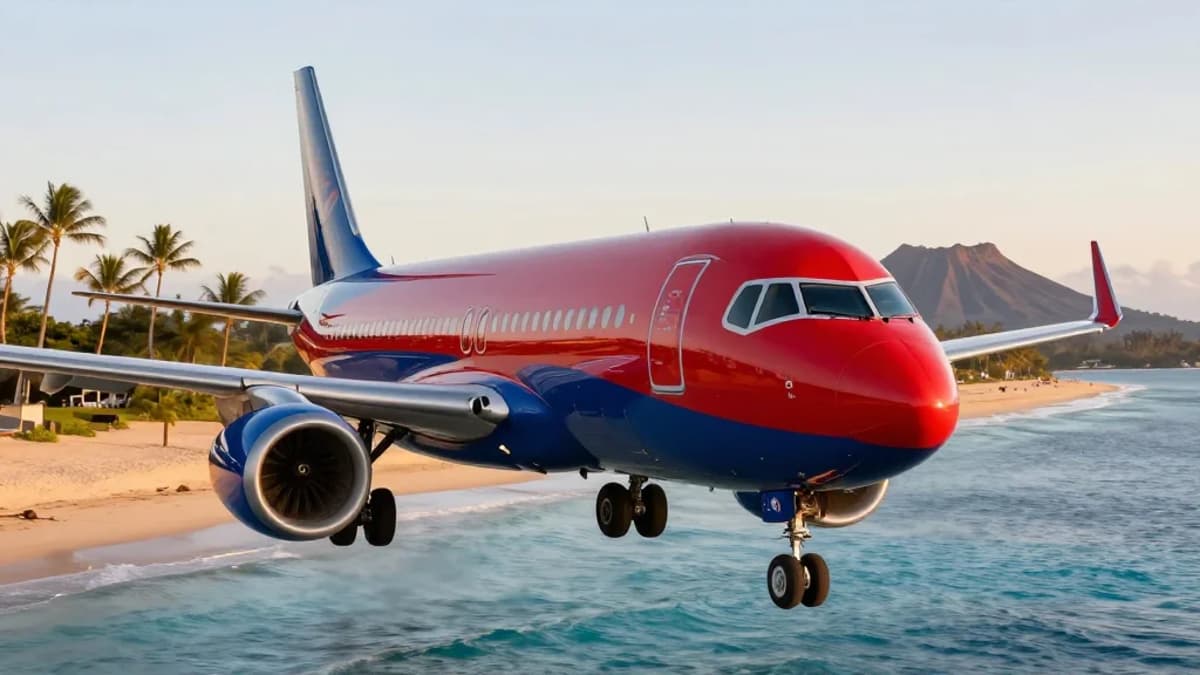
Delta Unveils Its Largest Hawaii Schedule Ever With New Minneapolis–Maui Route And Boston–Honolulu Return
•February 24, 2026
0
Why It Matters
The expanded network gives travelers more nonstop options to Hawaii, strengthening Delta’s position in the high‑margin leisure market and supporting premium fare opportunities during peak winter travel.
Key Takeaways
- •New nonstop MSP–Maui route launches December 2026
- •Boston–Honolulu service returns, longest domestic flight reinstated
- •Delta adds daily A330 Honolulu service from Atlanta, Detroit
- •Widebody fleet upgrade includes A330-300 and Boeing 767-300 aircraft
- •Expanded Hawaii schedule targets winter leisure demand, premium fares
Pulse Analysis
Delta’s winter 2026‑27 schedule overhaul reflects a strategic push into the lucrative long‑haul leisure segment. By introducing a nonstop Minneapolis‑St. Paul to Maui connection, the carrier taps the Upper Midwest market, a region historically underserved for direct Hawaiian travel. The route’s daily service during holiday peaks and reduced frequency in off‑peak weeks balances aircraft utilization with demand fluctuations, while the Airbus A330‑300 offers a premium cabin product that can command higher yields.
Reinstating Boston to Honolulu restores the United States’ longest domestic flight, reconnecting New England travelers with Hawaii after a multi‑year hiatus. This move not only fills a service gap but also reinforces Delta’s competitive edge against rivals that dominate West Coast‑to‑Hawaii traffic. Operating the route with the same A330‑300 platform ensures consistency in cabin experience, from lie‑flat Delta One seats to complimentary dining, enhancing brand loyalty among SkyMiles members seeking a seamless, upscale journey.
Beyond new routes, Delta is upgrading frequency and aircraft on several existing Hawaii corridors, shifting to daily service on Atlanta‑Honolulu and Detroit‑Honolulu, and deploying larger Boeing 767‑300s and A330‑300s across the network. These adjustments align capacity with anticipated winter leisure demand, allowing the airline to capture premium fare premiums while optimizing load factors. Collectively, the expanded schedule positions Delta to dominate seasonal Hawaiian travel, leveraging its wide‑body fleet to deliver a differentiated product that appeals to both price‑sensitive vacationers and high‑spending leisure travelers.
Delta Unveils Its Largest Hawaii Schedule Ever With New Minneapolis–Maui Route And Boston–Honolulu Return
0
Comments
Want to join the conversation?
Loading comments...