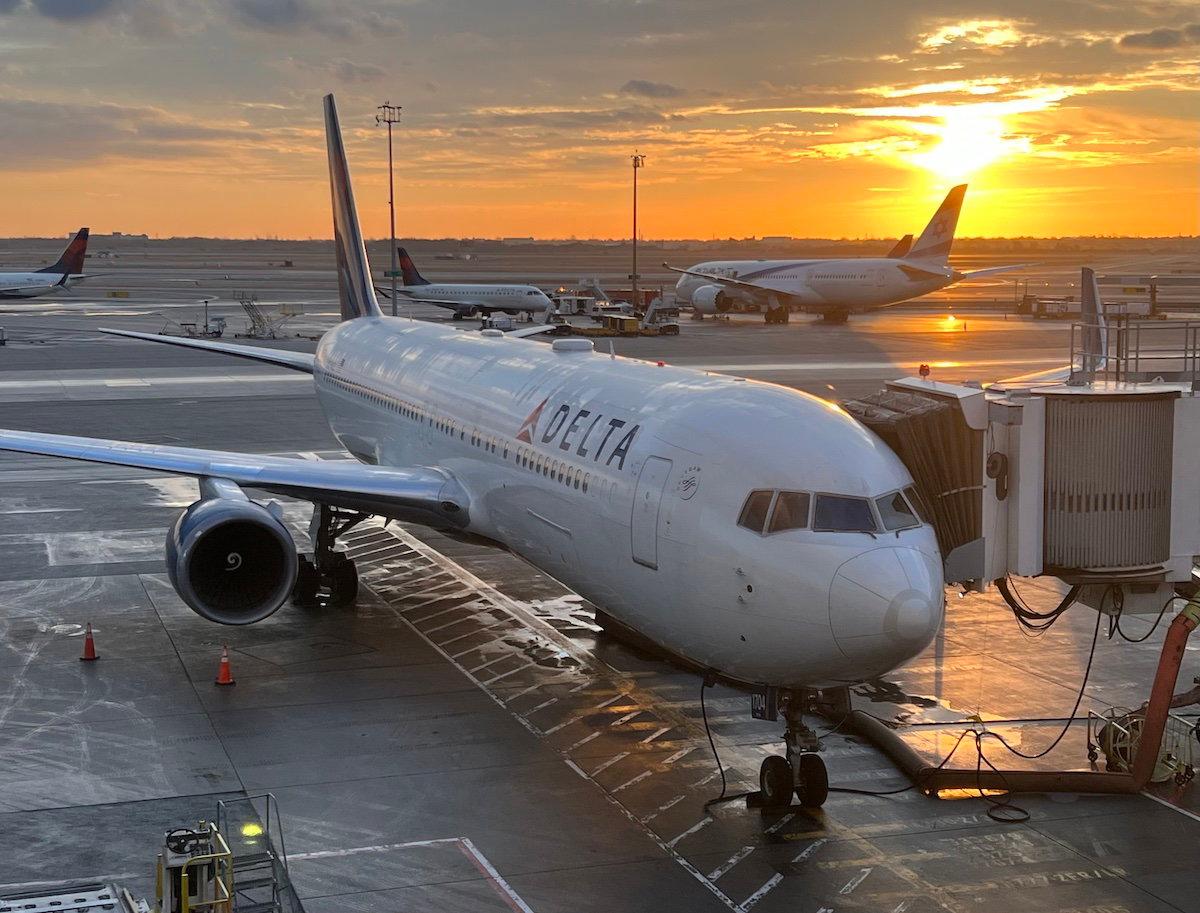
Delta’s Most Important Route Has A Serious Customer Satisfaction Issue
Companies Mentioned
Why It Matters
A sustained NPS deficit on Delta’s most lucrative domestic lane threatens premium customer loyalty and could erode revenue, prompting a strategic focus on service recovery and communication.
Key Takeaways
- •JFK‑LAX NPS 9‑13 points below Delta’s domestic average
- •Delays blamed on factors beyond pilot control, not crew performance
- •Pilots urged to give frequent, clear updates during disruptions
- •High‑profile travelers amplify negative experiences on social media
- •Route’s revenue importance makes NPS gap a strategic risk
Pulse Analysis
Delta’s New York‑Los Angeles corridor is more than a revenue engine; it is a brand showcase that draws CEOs, celebrities, and social‑media influencers. When the airline’s internal data revealed net promoter scores trailing the mainline domestic average by nearly a dozen points, the signal was clear: even a carrier known for operational discipline can stumble where expectations are highest. NPS, a leading gauge of loyalty, directly correlates with future ticket purchases and ancillary spend, making the gap a financial concern as well as a reputational one.
The memo to pilots points to delay frequency as the primary driver, noting that many disruptions stem from weather, air‑traffic control constraints, and aging Boeing 767 fleets rather than cockpit decisions. Yet the airline also acknowledges a softer, equally potent factor—communication. Passengers on premium routes expect real‑time, transparent updates; when crews fall short, social‑media amplification can turn isolated grievances into viral criticism. Moreover, the 767’s cabin layout, limited overhead space, and inconsistent Delta One service have been cited by travelers as additional irritants that compound the perception of unreliability.
For Delta, the remedy lies in a two‑pronged approach: operational resilience and proactive engagement. Investing in newer aircraft, refining scheduling software, and bolstering weather‑response protocols can trim delay incidence. Simultaneously, empowering pilots with clear communication scripts and real‑time data feeds can transform a disruption into a service opportunity, nudging NPS back toward the airline’s benchmark. Competitors such as United and American are already leveraging similar tactics, so Delta’s swift response will be critical to preserving its premium market share on the nation’s most contested coast‑to‑coast route.
Delta’s Most Important Route Has A Serious Customer Satisfaction Issue
Comments
Want to join the conversation?
Loading comments...