Why It Matters
The shift signals a strategic pivot for operators and investors toward design that drives guest loyalty, higher ADR and stronger ROI. It reshapes capital allocation, staffing and tech integration across the hospitality sector.
Key Takeaways
- •Experience replaces square footage as primary luxury driver
- •Invisible wellness integrates lighting, acoustics, and materials for health
- •Sensual sustainability blends recycled textiles with upscale sensory appeal
- •Hyper‑local storytelling makes each hotel reflect its destination culture
- •Flexible, hybrid spaces support remote work and extended‑stay guests
Pulse Analysis
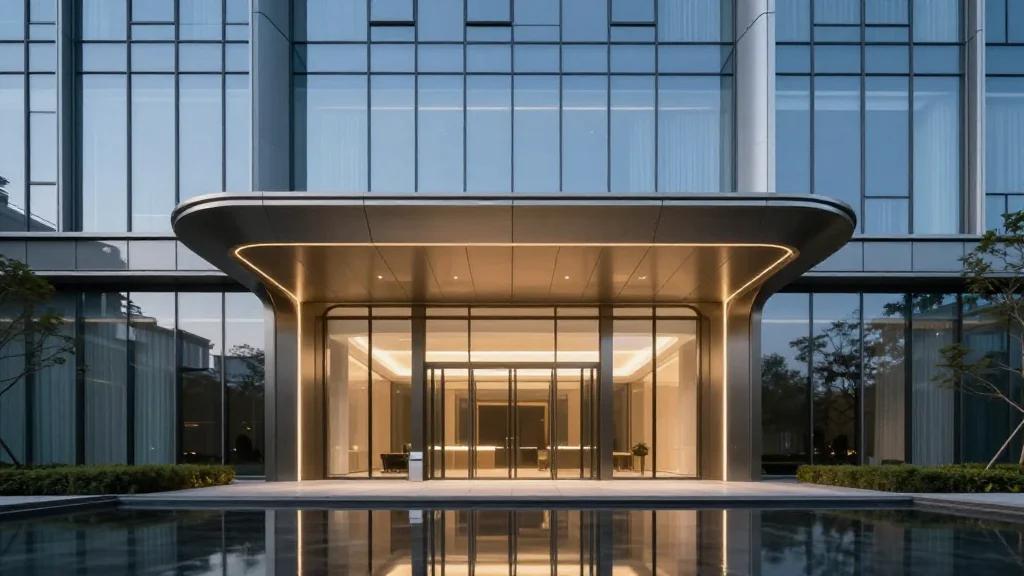
The hospitality sector is moving beyond the traditional metrics of square footage and linen quality to a model where experience itself is the premium offering. Travelers now expect each interaction—from check‑in to the minibar—to unfold as part of a curated narrative that evokes emotion and a sense of belonging. Designers respond by installing dramatic entryways, sculptural lighting and photogenic backdrops that double as organic social‑media assets, turning guests into brand ambassadors. This experience‑first approach not only differentiates properties in a crowded market but also commands higher average daily rates and repeat visitation.
Wellness has become invisible yet indispensable, woven into the very fabric of a hotel’s architecture. Circadian lighting, acoustic panels tuned for stress reduction, and air‑purifying materials create environments that subtly boost physical and mental health. At the same time, sustainability has evolved into “sensual sustainability,” where recycled textiles, reclaimed wood, and low‑impact finishes are selected for their tactile and aromatic qualities as well as their carbon footprint. These choices satisfy eco‑conscious guests while delivering long‑term cost savings through durability and reduced replacement cycles, aligning environmental stewardship with the bottom line.
Flexibility and muted technology complete the 2026 design playbook. Modular furniture and adaptable room layouts cater to remote workers and extended‑stay guests, turning public lobbies into daytime coworking hubs and nighttime social lounges. AI‑driven room controls operate behind the scenes, offering personalized climate and lighting without visible screens, preserving the serene aesthetic. Meanwhile, hyper‑local storytelling—through region‑specific art, typography, and material palettes—grounds each property in its community, enhancing authenticity and guest connection. Collectively, these trends compel owners to rethink capital deployment, staffing models and revenue strategies to stay competitive.
Designing the hotel of 2026
Comments
Want to join the conversation?
Loading comments...