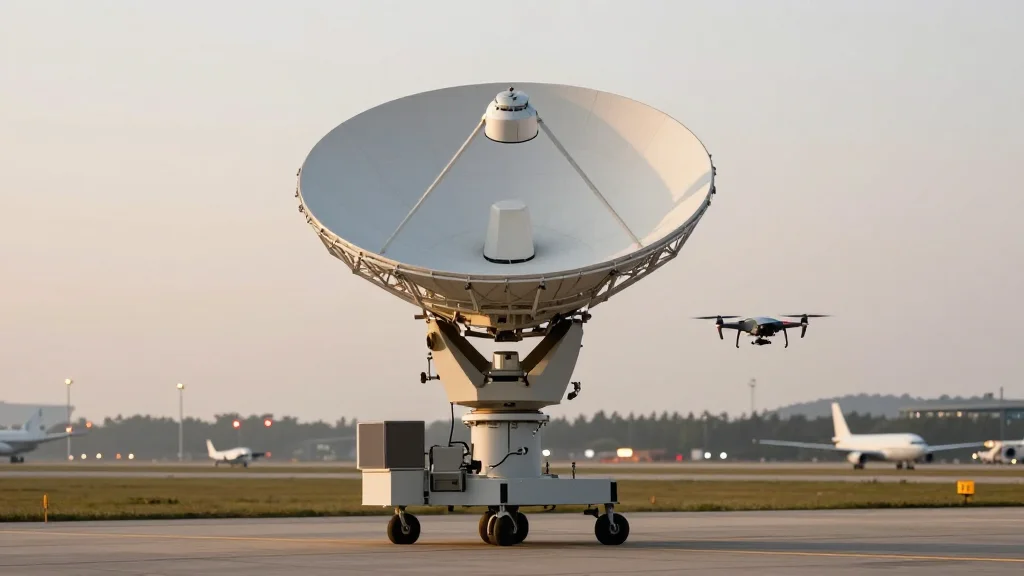
Drone Detection Technology Installed at Lithuania’s Palanga Airport
Why It Matters
The deployment safeguards growing air traffic from emerging drone threats, protecting safety and preserving the airport’s capacity to handle record passenger volumes. It also signals a broader shift toward automated airspace security across Lithuania’s aviation network.
Key Takeaways
- •Palanga Airport installed advanced drone detection system
- •System tracks location, altitude, direction, and operator ID
- •37 unauthorized drone flights recorded this year
- •Airport handled record 448,000 passengers in 2025, up 18.7%
- •Similar systems planned for Kaunas and Vilnius airports
Pulse Analysis
Drone incursions have become a top concern for airports worldwide, prompting regulators to seek automated detection solutions. Traditional visual spotting is insufficient against small, fast‑moving UAVs that can blend into busy airspace. By leveraging radio‑frequency analysis, modern systems can differentiate between legitimate aircraft and rogue drones, delivering precise alerts that enable rapid response. This technological shift not only mitigates safety risks but also reduces operational disruptions, a critical factor for airports experiencing rapid growth.
At Palanga Airport, the newly installed detection platform integrates a network of antennas that continuously monitor the surrounding sky for radio‑signal anomalies. When a drone is identified, the system calculates its exact coordinates, altitude, flight path, and even the geographic location of the operator, feeding this data to air traffic controllers in real time. The airport reported 37 unauthorized flights within its control zone this year, underscoring the immediate need for such capabilities. With passenger traffic climbing to a record 448,000 in 2025—an 18.7% increase over the prior year—the airport’s ability to maintain uninterrupted operations hinges on proactive security measures.
Lithuania’s broader rollout to Kaunas and Vilnius airports reflects a national strategy to standardize drone mitigation across its busiest hubs. As tourism and business travel rebound, the aviation sector anticipates continued passenger growth, making airspace integrity a competitive advantage. Early adopters like Palanga gain operational confidence, potentially attracting airlines seeking reliable infrastructure. Moreover, the data generated by these systems can inform policy makers on UAV usage patterns, shaping future regulations and fostering a safer, more resilient aviation ecosystem.
Drone detection technology installed at Lithuania’s Palanga Airport
Comments
Want to join the conversation?
Loading comments...