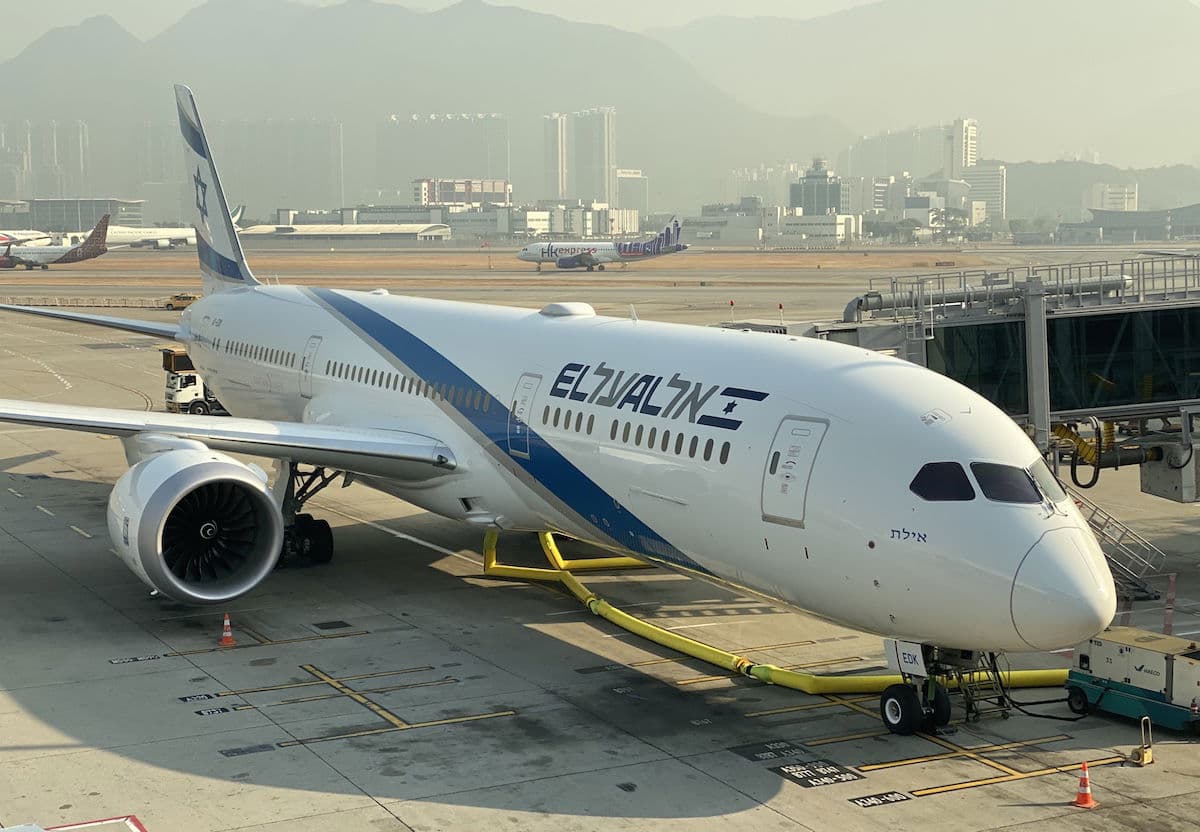
EL AL Leaves 140 Suitcases Behind At LAX Over “Free Palestine” Stickers
•February 21, 2026
0
Companies Mentioned

Why It Matters
The incident underscores how political expressions on baggage can trigger extensive security protocols, affecting airline schedules, operational costs, and passenger confidence.
Key Takeaways
- •140 bags flagged for “Free Palestine” stickers
- •EL Al chose to depart without the luggage
- •Individual explosive screening extended delay beyond 25 minutes
- •Passengers received later notifications for bag delivery
- •Incident raises concerns over airport staff sabotage
Pulse Analysis
EL Al has long marketed itself as the world’s most security‑intensive carrier, a reputation built on layered screening, canine units and strict baggage controls. When a coordinated group placed "Free Palestine" stickers on 140 suitcases, the airline faced a dilemma: treat the markings as a potential threat or risk a prolonged standstill at LAX. By opting to leave the bags behind, EL Al demonstrated a zero‑tolerance stance that aligns with its brand promise of safety, but it also highlighted the operational fragility that arises when political activism intersects with aviation security.
From an operational perspective, the incident generated a cascade of costs. Each bag required manual inspection, diverting security personnel and equipment from other flights. The 25‑minute delay ballooned into a multi‑hour disruption, forcing the airline to re‑accommodate passengers and arrange alternative cargo flights. Such unplanned events can erode on‑time performance metrics, increase fuel burn from repositioning aircraft, and trigger compensation claims under consumer protection regulations. Moreover, the episode raises questions about internal controls at airports, prompting airlines to audit staff access to baggage handling zones and reinforce tamper‑evident protocols.
Industry‑wide, the episode may accelerate discussions about standardized policies for politically charged symbols on luggage. Regulators could mandate clearer guidelines on what constitutes a security concern versus protected speech, while airlines might invest in automated detection systems to flag suspicious markings before they reach the ramp. For travelers, the event serves as a reminder that overt political statements on personal items can have unintended logistical repercussions, especially on routes with heightened security sensitivities. As airlines balance safety, efficiency, and passenger rights, incidents like this will shape future risk‑management frameworks.
EL AL Leaves 140 Suitcases Behind At LAX Over “Free Palestine” Stickers
0
Comments
Want to join the conversation?
Loading comments...