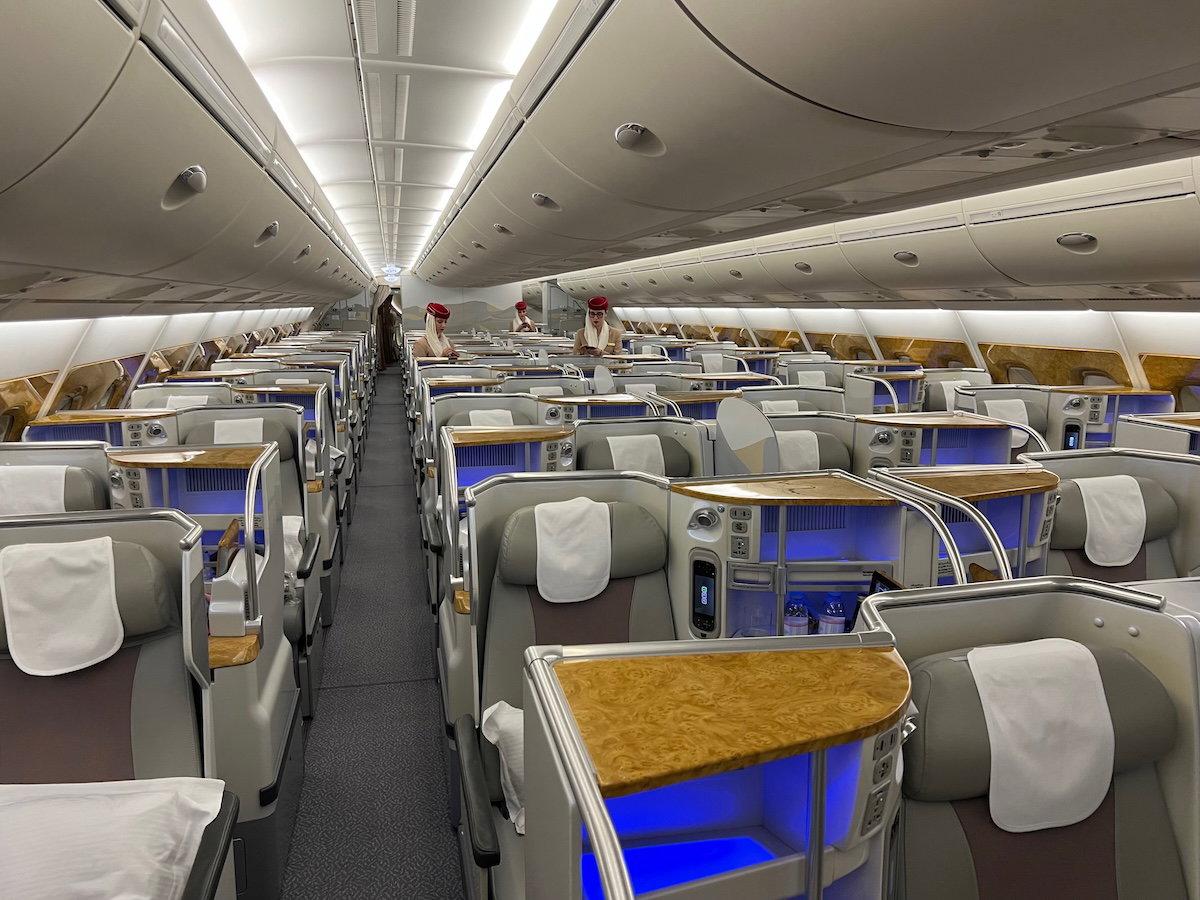
Emirates Reports Record Profit, Stays World’s Most Profitable Airline
Why It Matters
Emirates’ outsized earnings challenge the profitability model of legacy U.S. airlines and underscore the strategic advantage of state‑backed, low‑cost operating structures in a competitive market. The results signal heightened pressure on global carriers to improve yields and cost efficiency.
Key Takeaways
- •Emirates posted $6.2 bn airline profit, 16.2% margin
- •Revenue grew 2% to $35.7 bn, fuel costs fell 7%
- •Cash balance hit $15 bn, up 3% YoY
- •Passenger yield rose 4% to 10.4 cents per RPK
- •Emirates out‑earned Delta by ~25%, remaining top global carrier
Pulse Analysis
Emirates’ record $6.2 billion profit for the 2025‑26 fiscal year highlights a rare combination of high yields and disciplined cost control in an industry still grappling with volatile fuel prices and post‑pandemic demand recovery. While revenue modestly increased to $35.7 billion, the airline’s profit margin surged to 16.2%, outpacing most legacy carriers. A 7% reduction in fuel expenses—one of the largest cost components for airlines—combined with a modest 2% rise in operating costs, amplified earnings and bolstered a cash pile of $15 billion, providing a strong buffer against geopolitical shocks.
The financial strength stems from Emirates’ unique business model, which leverages government ownership, integrated ground services through dnata, and a fleet optimized for scale, notably the Airbus A380. Higher passenger yields—up 4% to 10.4 cents per revenue passenger kilometre—reflect premium pricing power on long‑haul routes, while the carrier’s ability to shift capacity to cargo during disruptions helped offset the 1% dip in passenger traffic. Lower labor costs, favorable airport fees, and strategic hub advantages in Dubai further compress unit costs, allowing the airline to sustain profitability even when load factors slipped to 78.4%.
For competitors, Emirates’ performance raises the bar on profitability benchmarks. U.S. airlines such as Delta, which posted a $5 billion profit, now face a 25% gap that underscores the impact of ancillary revenue streams and cost structures. Looking ahead, Emirates must navigate regional security tensions and the eventual retirement of its A380 fleet, which has been central to its low‑cost per seat strategy. Nevertheless, the carrier’s robust cash position and dividend payout signal confidence in continued investment in technology, network expansion, and resilience, positioning it as a formidable challenger in the global aviation landscape.
Emirates Reports Record Profit, Stays World’s Most Profitable Airline
Comments
Want to join the conversation?
Loading comments...