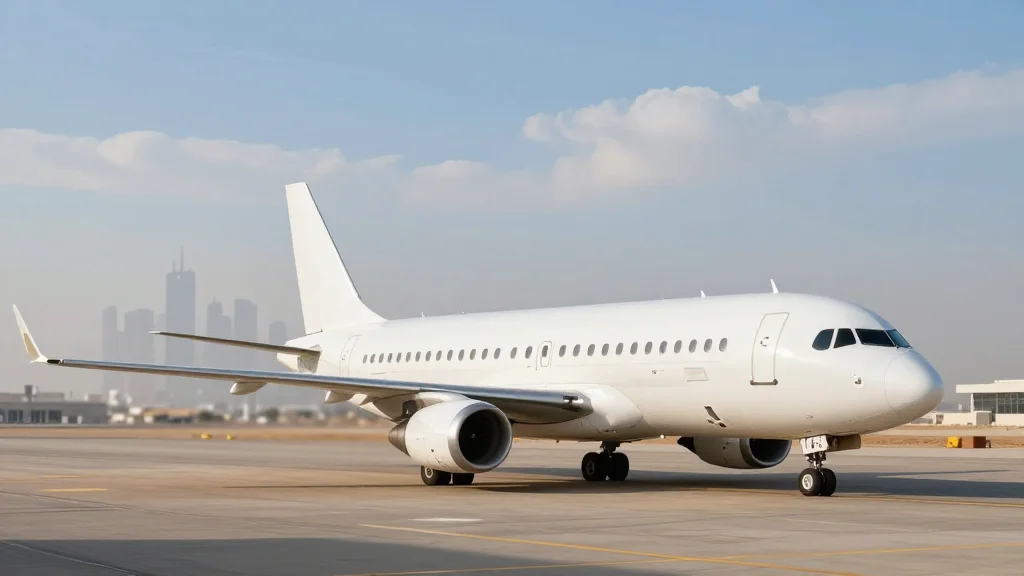
Etihad Operates 66 Flights Ex-Abu Dhabi On Sunday, March 29, 2026
Key Takeaways
- •Operates 67 flights from Abu Dhabi on March 29
- •Flex rebooking policy extended through April 15
- •Guest tier requirements cut 25% until 2027
- •Flight count ~60% of pre‑war levels
- •Connecting options remain limited at Abu Dhabi hub
Pulse Analysis
The Iran‑UAE war forced Etihad to halt operations on Feb. 28, a move that rippled through the Gulf’s aviation ecosystem. After a three‑week hiatus, the airline’s gradual restart reflects both logistical challenges and a strategic push to recapture market share. By March 29, Etihad was running 67 flights, a clear indicator that demand is rebounding and that the carrier is confident enough to scale back up toward its historic schedule.
Etihad’s operational cadence now hovers around 60% of its pre‑conflict capacity, with daily flights ranging from the low 60s to low 70s. While the airline has stopped publishing a week‑ahead flight roster, the current mix of long‑haul and regional services—spanning North America, Europe, Asia and the Middle East—demonstrates a balanced recovery strategy. However, limited frequencies at Abu Dhabi still constrain seamless connections, prompting business travelers to weigh alternative hubs for multi‑city itineraries.
Beyond the aircraft, Etihad is leveraging customer‑centric policies to bolster loyalty. The flexible rebooking window, extended to mid‑April, and a 25% reduction in Guest tier qualification thresholds until 2027, aim to retain price‑sensitive flyers and attract new members amid fierce Gulf competition. These measures, combined with a steady increase in flight numbers, position Etihad to capture a larger share of the post‑war travel surge while laying groundwork for future network expansions.
Etihad Operates 66 Flights Ex-Abu Dhabi On Sunday, March 29, 2026
Comments
Want to join the conversation?