Europe’s Summer of Anxiety: War, Oil and the Fragile Future of Global Tourism
Why It Matters
The crisis could depress a sector that contributes billions to European GDP and jeopardize thousands of seasonal jobs, reshaping travel patterns across the continent.
Key Takeaways
- •Hormuz disruptions could raise jet fuel costs by billions for airlines.
- •European low‑cost carriers may cut routes or increase fares this summer.
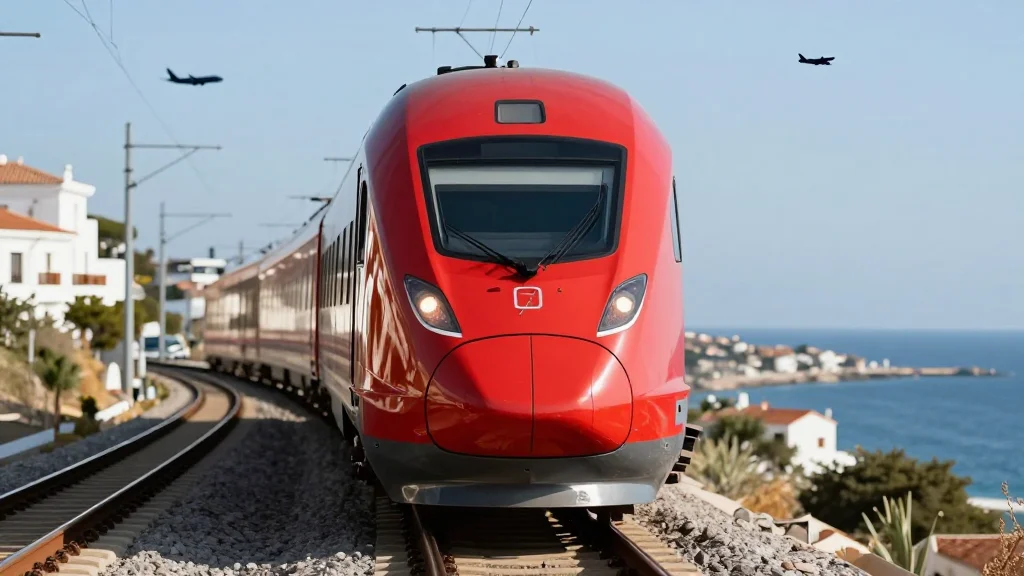
- •Tour operators are promoting rail travel and domestic vacations as alternatives.
- •Small hotels in Mediterranean rely on summer tourists; any dip threatens viability.
- •Insurers are tightening war‑risk policies, adding costs for travelers.
Pulse Analysis
The Strait of Hormuz, a chokepoint for roughly 20% of global oil, has become a flashpoint for Europe’s tourism economy. When tanker traffic stalls, jet‑fuel prices surge, inflating airline operating costs almost overnight. European carriers, already operating thin summer margins, are forced to reassess route profitability, often opting to cancel marginal flights or pass costs to passengers. This price shock ripples beyond airlines, inflating hotel room rates, restaurant menus, and even the cost of souvenirs in coastal towns that depend on a steady influx of tourists.
Airlines’ response is prompting a broader strategic shift within the travel sector. Low‑cost carriers, which dominate intra‑European traffic, are exploring aggressive fuel‑hedging and schedule flexibility, while many tour operators are re‑marketing rail journeys and short‑haul domestic getaways as cost‑effective alternatives. Insurance firms, wary of war‑risk exposure, are tightening policy terms, adding another layer of expense for travelers. The combined effect is a tightening of the tourism value chain, where every stakeholder—from airport fuel suppliers to family‑run boutique hotels—faces heightened financial pressure.
Despite the headwinds, resilience is emerging. Recent diplomatic overtures have softened oil price spikes, and consumer confidence in Europe remains surprisingly robust, with many travelers willing to absorb higher costs for the sake of a summer break. Nonetheless, the episode underscores a structural vulnerability: modern tourism’s reliance on cheap, uninterrupted energy supplies. Policymakers and industry leaders are now weighing long‑term diversification—such as greener transport options and more localized tourism campaigns—to buffer future geopolitical shocks.
Europe’s Summer of Anxiety: War, Oil and the Fragile Future of Global Tourism
Comments
Want to join the conversation?
Loading comments...