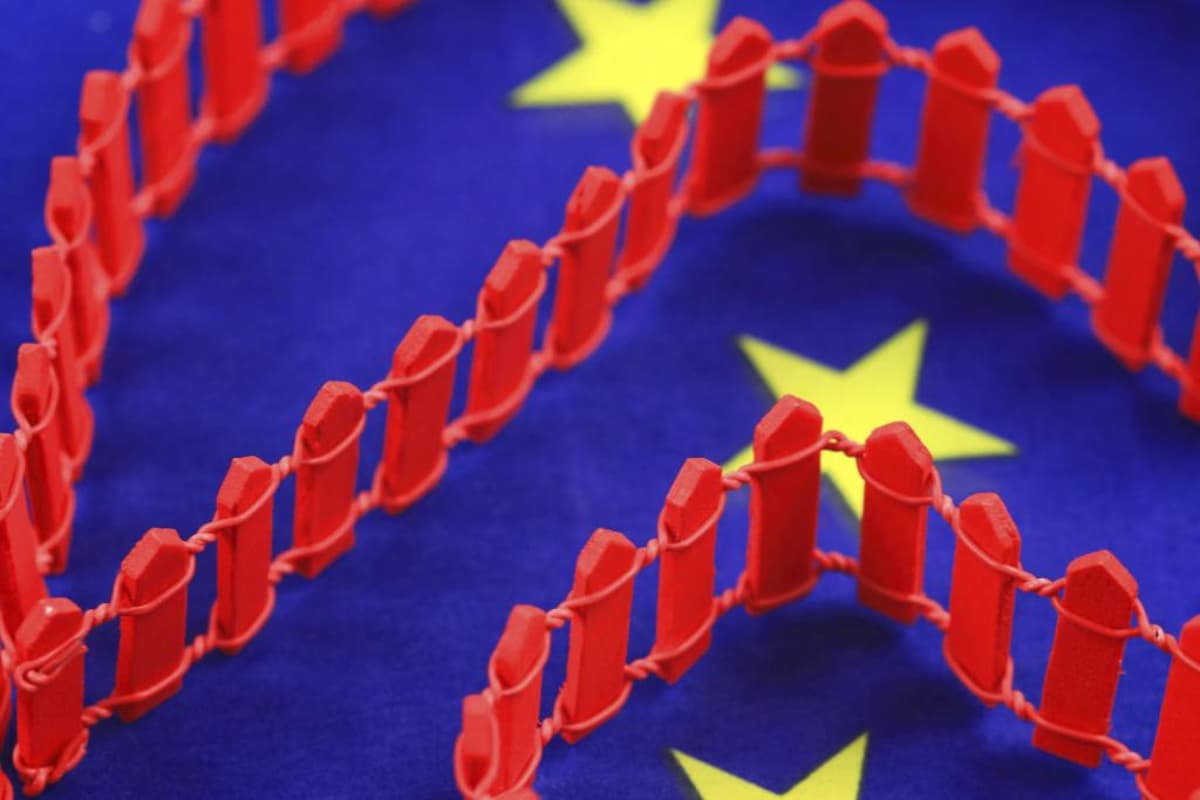
Europe’s Tourism Resilience Meets a New Summer Border Test
Why It Matters
Border‑policy changes like the Entry/Exit System could dampen Europe’s newfound tourism gains, affecting revenue and employment across the sector.
Key Takeaways
- •Global international arrivals up 2% YoY in Q1 2026
- •Travelers favor nearer destinations as airfares climb
- •Europe gains market share from redirected travel flows
- •Entry/Exit System may add border friction for tourists
Pulse Analysis
The first quarter of 2026 has proven that international tourism can withstand macro‑level shocks. UN Tourism’s data shows a modest 2% increase in global arrivals, even as the Middle‑East conflict, record oil prices and lingering air‑connectivity issues threatened to curb demand. Europe, Africa and the Asia‑Pacific region all posted gains, with Europe retaining its position as the premier tourism hub, attracting travelers seeking stability amid geopolitical turbulence.
Beneath the headline numbers, the dynamics of travel are shifting. Higher fuel costs and uncertainty are prompting tourists to opt for shorter, regional trips, compressing booking windows and favoring destinations within a few hours’ flight. This market redirection means that growth is less about new demand and more about reallocation from disrupted or expensive locales. Airlines and hospitality firms are adapting by offering flexible pricing and promoting nearby attractions, a trend that could reshape revenue models if sustained.
Europe now faces a policy crossroads. The World Travel & Tourism Council highlights the forthcoming Entry/Exit System (EES), a digital border‑control framework poised to become the most significant travel friction point in decades. While the system promises enhanced security and streamlined processing, its implementation could introduce additional checks, fees or delays that deter spontaneous travel. For a continent that has recently benefited from redirected flows, balancing security objectives with a seamless visitor experience will be critical to preserving its tourism upside and protecting jobs in the sector.
Europe’s tourism resilience meets a new summer border test
Comments
Want to join the conversation?
Loading comments...