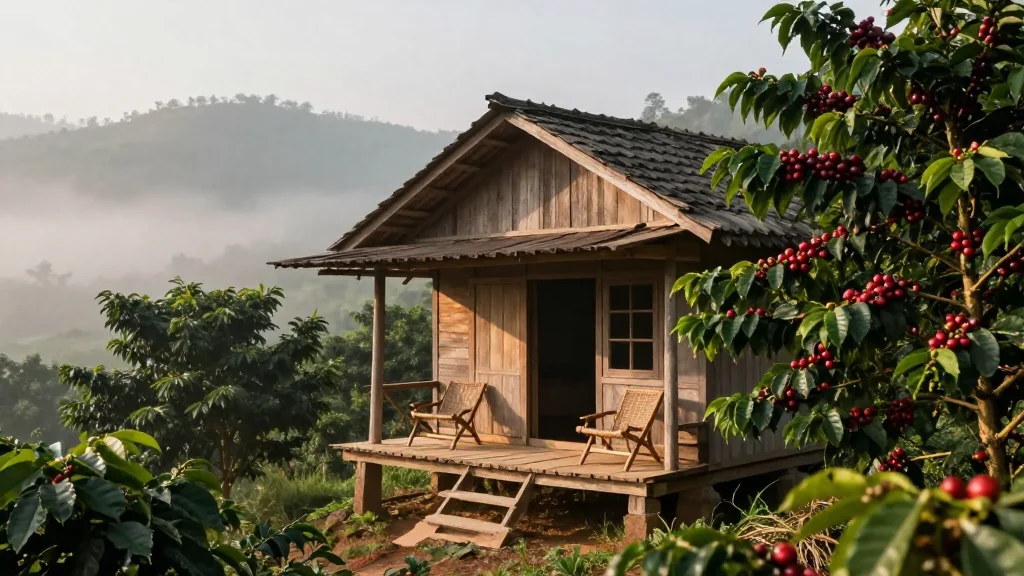
Failed Coffee Farmstay Costs My Friend $130,000
Why It Matters
The failure underscores the financial risk for urban investors entering agritourism without aligning offerings to genuine tourist demand, signaling caution for similar ventures in emerging markets.
Key Takeaways
- •Investment rose to VND3.5 bn (~US$132k) from planned VND1 bn.
- •Only 30% of guests were friends, showing limited market appeal.
- •High staff salaries and maintenance costs led to shutdown after two years.
- •Farmstay model, rooted in Italian agritourism, often mismatches urban investors.
Pulse Analysis
Over the past decade, farmstays—agritourism properties that blend accommodation with agricultural experiences—have surged across Southeast Asia. In Vietnam, the model attracted city dwellers seeking “healing” retreats, prompting a wave of investors to repurpose coffee, tea or fruit plantations into boutique guesthouses. While the concept promises higher margins than traditional farming, it also demands a deep understanding of tourism seasonality, marketing channels and operational logistics. Without these fundamentals, the allure of a picturesque countryside can mask costly miscalculations.
The VND3.5 bn (≈US$132k) farmstay in the story illustrates those pitfalls. The owners initially budgeted VND1 bn but escalated spending on décor, a wooden deck and an outdoor oven, while also hiring staff to manage bookings and maintenance. With 30 % of the first‑year guests being friends, genuine tourist demand remained weak, and recurring payroll and upkeep quickly outpaced revenue. Even aggressive promotions in the final months failed to generate sufficient occupancy, forcing the couple to cease operations after just two years.
Investors eyeing agritourism should begin with rigorous market research to gauge traveler preferences, price sensitivity and competitive supply. Partnering with established tour operators or local tourism boards can provide a steady flow of guests, while a phased rollout—starting with a modest guest capacity—helps control capital exposure. Alternative models, such as small boutique hotels that cater to tour groups, may deliver higher occupancy rates without the need for extensive on‑farm attractions. Ultimately, aligning the business model with proven tourism demand, rather than personal fantasy, is essential to avoid the costly missteps seen in this Vietnamese farmstay.
Failed coffee farmstay costs my friend $130,000
Comments
Want to join the conversation?
Loading comments...