Why It Matters
The opening expands Fairmont’s footprint in Southeast Asia, tapping Vietnam’s fast‑growing luxury travel market. Its extensive amenities and high‑profile culinary talent set a new benchmark for upscale hospitality in Hanoi.
Key Takeaways
- •Fairmont opens first Vietnam hotel in Hanoi.
- •241 rooms include 38 Fairmont Gold and 12 suites.
- •Eight dining venues feature celebrity chefs Luke Nguyen, Nicolas Isnard.
- •38,000‑sq‑ft wellness club offers hydrotherapy, plunge pools.
- •12,000‑sq‑ft pillarless ballroom is Hanoi’s largest.
Pulse Analysis
Vietnam’s luxury hospitality sector has accelerated in recent years, driven by rising disposable incomes and a surge in high‑end international tourism. Global operators are eyeing the market for its blend of cultural richness and modern consumer demand. Fairmont’s entry aligns with its broader Southeast Asian expansion, following recent openings in Thailand and the Philippines, and signals confidence that Vietnam can sustain premium hotel performance despite competitive pressures.
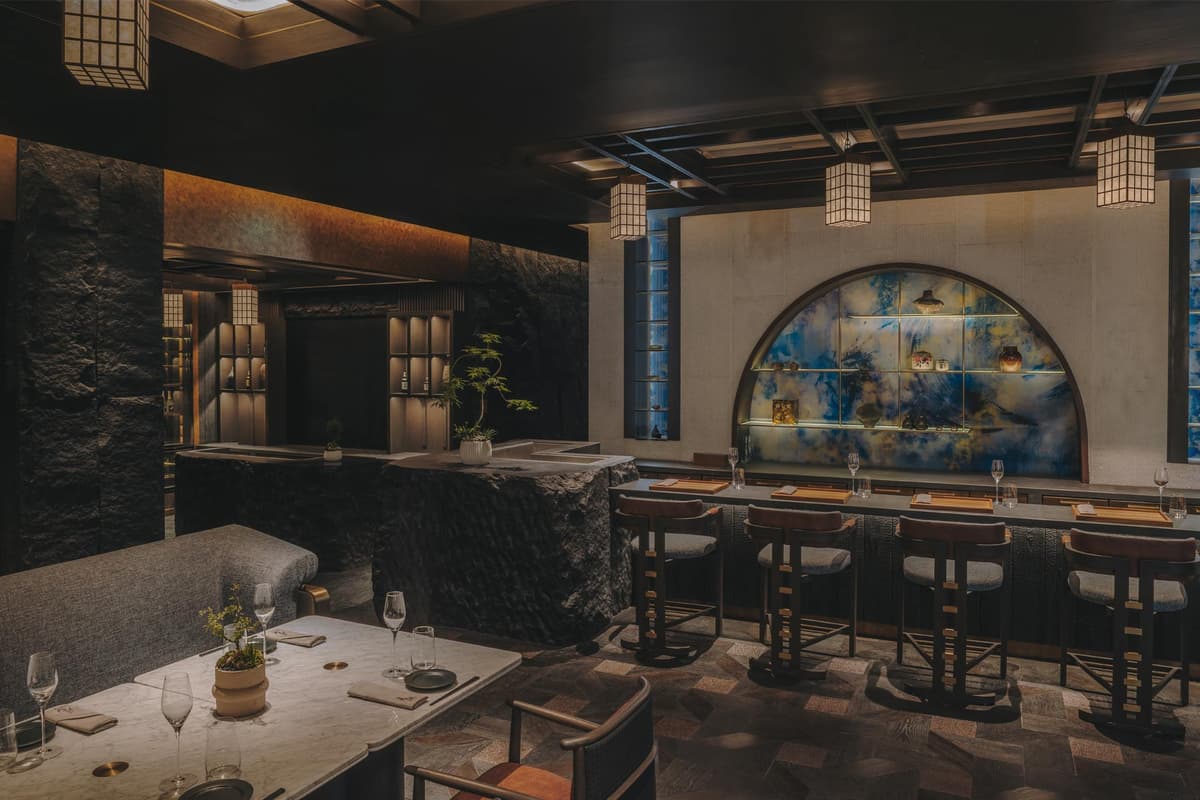
The Hanoi property distinguishes itself through a holistic guest experience that merges local heritage with contemporary design. Architects Perkins Eastman and Aston Design infused the hotel’s public spaces with motifs from the Old Quarter and the Red River, while the interior balances Art Deco elegance with Vietnamese craftsmanship. Culinary offerings are a major draw, featuring eight venues such as Tran Dynasty by Luke Nguyen and Bacco under Michelin‑starred Nicolas Isnard, catering to both discerning locals and international travelers. The 38,000‑sq‑ft Cirua Spa and Fitness & Wellness Club provides hydrotherapy, plunge pools, and a state‑of‑the‑art fitness studio, positioning the hotel as a wellness destination.
Strategically, Fairmont Hanoi raises the competitive bar for luxury accommodations in the capital. Its expansive 4,000 m² MICE facilities, highlighted by a 12,000‑sq‑ft pillarless ballroom, give it an edge in attracting conferences, weddings, and high‑profile events. This could stimulate ancillary spending in Hanoi’s hospitality ecosystem and encourage further investment from global brands. As Vietnam continues to liberalize its tourism policies, the hotel’s success may serve as a bellwether for future upscale developments across the region.
Fairmont makes Vietnam debut with Hanoi property
0
Comments
Want to join the conversation?
Loading comments...