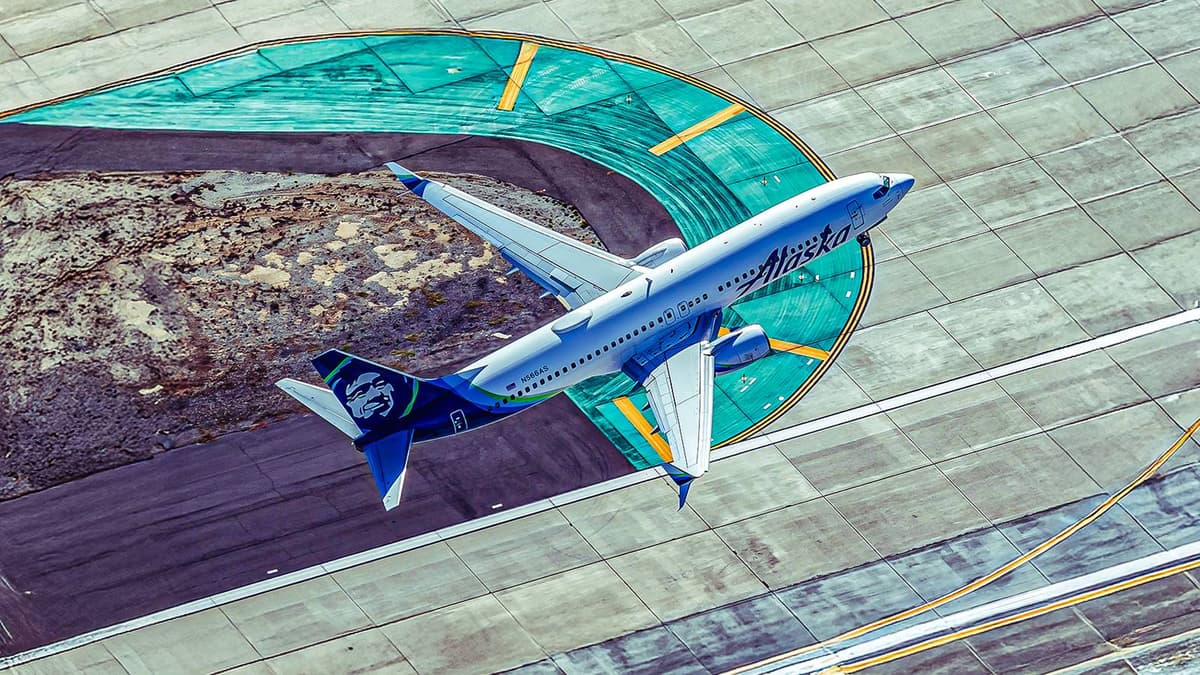
"Fare Increases Are Sticking": Alaska CEO Warns Higher Prices Are Here To Stay
Companies Mentioned
Why It Matters
Sustained higher fares compress airline margins and force network adjustments, reshaping pricing dynamics for travelers and investors alike.
Key Takeaways
- •Alaska fares up 15% since 2026 Iran crisis
- •Fuel cost could hit $600 million Q2 for Alaska
- •Industry-wide fares 24% higher than 2025 levels
- •Big Three U.S. airlines face $3 billion extra quarterly fuel costs
- •Carriers trimming short‑haul capacity to protect margins
Pulse Analysis
The surge in jet‑fuel prices, driven by geopolitical tensions such as the 2026 Iran crisis, has sent a shockwave through the airline sector. Fuel now averages $4.50 per gallon, nearly double the $2.98 level earlier in the year, turning fuel into the second‑largest cost after labor. This environment forces carriers to reassess pricing structures, as the marginal cost of each seat climbs sharply. For investors, the volatility underscores the importance of monitoring commodity exposure alongside traditional revenue metrics.
Alaska Airlines illustrates how airlines are translating fuel pressure into passenger‑facing price adjustments. By raising average fares by roughly $25 and implementing higher baggage fees, the carrier aims to offset only a third of its added expenses, leaving a sizable $600 million gap projected for the April‑June quarter. Comparable moves by Delta, American and United signal a broader industry trend: airlines are willing to accept short‑term demand elasticity to safeguard profitability. The cumulative effect is a 24% uplift in global airfares year‑over‑year, pressuring consumer travel budgets and potentially accelerating the shift toward ancillary revenue streams.
Beyond pricing, airlines are reshaping their networks to conserve fuel. Short‑haul routes, which deliver lower revenue per gallon burned, are the first to be trimmed, allowing carriers to redeploy aircraft to higher‑yield long‑haul services that remain financially resilient. This strategic pruning helps improve per‑seat economics while limiting overall capacity reductions. As fuel costs are projected to add $45‑50 billion to industry spending in 2026, airlines that balance fare discipline with agile capacity management will be better positioned to maintain margins and protect shareholder value.
"Fare Increases Are Sticking": Alaska CEO Warns Higher Prices Are Here To Stay
Comments
Want to join the conversation?
Loading comments...