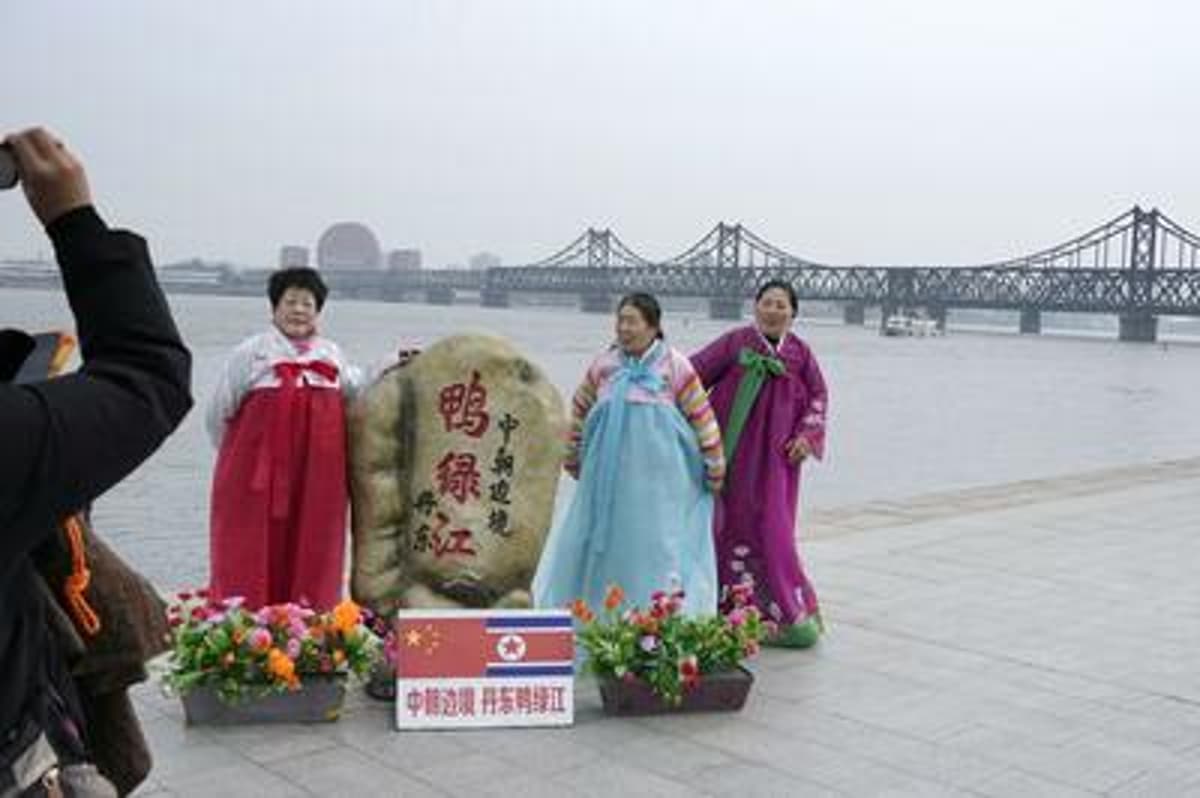
FEATURE: Hopes Grow for Early Restart of North Korea-Bound Tourism at China Border
Why It Matters
Resuming tourism could revitalize Dandong’s border economy and deepen China‑North Korea economic interdependence, while providing North Korea a sanctioned‑free source of foreign currency. The infrastructure upgrades signal a strategic shift toward greater bilateral integration.
Key Takeaways
- •Daily train links Dandong and Pyongyang, but only diplomats, businesspeople, students allowed
- •350,000 Chinese tourists spent $175 million in North Korea in 2019
- •New Yalu River Bridge could open by end‑2026, boosting bilateral trade
- •Kim Jong Un’s 2023 Beijing visit signals warming China‑North Korea ties
- •North Korea’s tourism exempt from UN sanctions, seen as economic lifeline
Pulse Analysis
The reinstated Dandong‑Pyongyang rail line marks the first tangible step toward reviving cross‑border tourism after a six‑year hiatus. While the service is limited to officials and business travelers, its daily cadence signals logistical readiness for a broader influx of visitors. Observers note that the train’s operation has already sparked a surge of curiosity on the Chinese side, with locals gathering at the Sino‑Korean Friendship Bridge to glimpse daily life in North Korea. This grassroots interest underscores the pent‑up demand for cultural exchange that could translate into significant tourism revenue once visas are reissued.
Tourism has long been a rare exemption from the United Nations sanctions that constrain North Korea’s economy, offering a vital conduit for hard currency. In 2019, Chinese tourists alone injected roughly $175 million into the North Korean economy, a figure that dwarfs other non‑sanctioned income streams. The sector’s revival could therefore serve as an economic lifeline, supporting small‑scale enterprises in both countries and providing the regime with a modest but politically useful source of foreign exchange. Moreover, the recent opening of the Wonsan Kalma beach resort and large‑scale projects like the Sinuiju canola fields illustrate Pyongyang’s intent to cultivate a more visitor‑friendly image.
Infrastructure upgrades are accelerating the momentum. The New Yalu River Bridge, completed in 2014 but idle, is slated to become operational by the end of 2026, promising to streamline trade and tourism flows. Simultaneously, customs facilities are being erected on the North Korean side, indicating preparation for higher traffic volumes. These developments dovetail with a series of high‑level diplomatic engagements, including Kim Jong Un’s 2023 visit to Beijing and subsequent talks with Chinese officials. Together, they suggest a strategic pivot toward deeper economic integration, positioning tourism as a bridge—both literal and figurative—between the two neighbors.
FEATURE: Hopes grow for early restart of North Korea-bound tourism at China border
Comments
Want to join the conversation?
Loading comments...