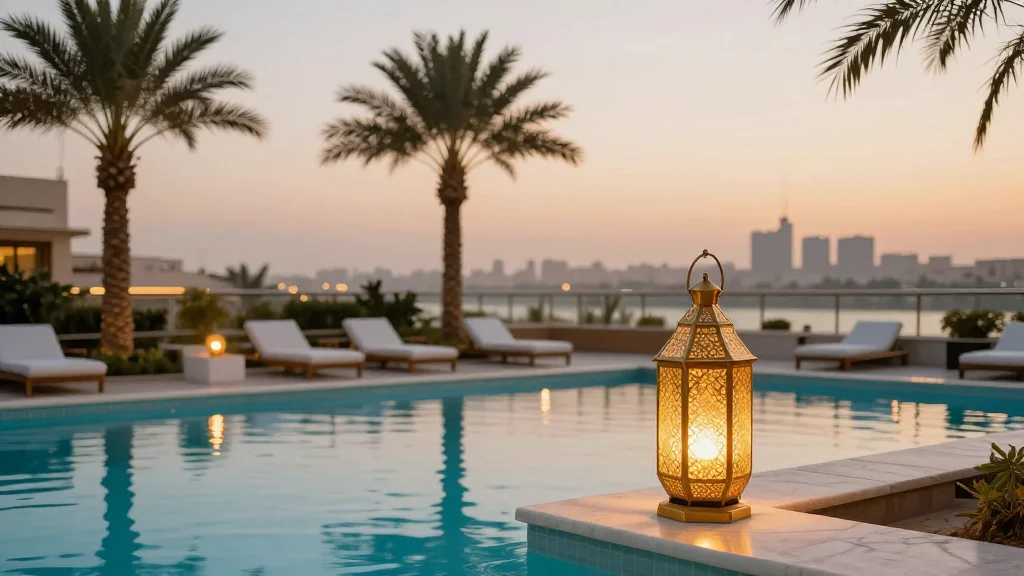
Four Seasons Cairo Rolls Out Luxury Eid Al‑Adha Escape Along the Nile for 2026

Why It Matters
The Four Seasons Cairo Eid Al‑Adha escape illustrates how luxury hotel chains are increasingly customizing product offerings to align with regional holidays and cultural expectations. By creating a staycation that fuses high‑end design, river‑front amenities and a curated culinary calendar, the brand taps into a growing segment of affluent domestic travelers who prefer premium local experiences over outbound travel. This shift could reshape revenue models for luxury hotels in the Middle East, prompting competitors to develop similarly tailored programmes. Moreover, the emphasis on designer interiors and a dedicated fifth‑floor oasis signals a broader industry trend toward experiential differentiation. As the global luxury market becomes more saturated, hotels are leveraging unique architectural collaborations and localized gastronomy to stand out. Four Seasons’ approach may set a benchmark for how other operators integrate cultural festivities into their core product, potentially influencing pricing strategies, occupancy forecasts and investment in bespoke property upgrades.
Key Takeaways
- •Four Seasons Hotel Cairo at Nile Plaza launches a 2026 Eid Al‑Adha staycation programme.
- •The offer centers on a fifth‑floor oasis with Pool Terrace Rooms and Suites designed by Pierre‑Yves Rochon.
- •Dining highlights include Zitouni’s Arafat Day Dinner Buffet on 26 May and 8’s Dim Sum Brunch on 29 May.
- •The programme targets affluent domestic travelers seeking a resort‑like rhythm in Cairo.
- •Success will inform future culturally‑tailored luxury packages across the Four Seasons portfolio.
Pulse Analysis
Four Seasons’ Eid escape is more than a seasonal promotion; it is a strategic play to capture a high‑margin segment of the Middle‑East luxury market that has been under‑served by culturally resonant offerings. Historically, luxury hotel chains in the region have relied on international tourists to fill premium inventory during holiday periods. However, geopolitical tensions, fluctuating travel restrictions and a rising preference for domestic luxury experiences have shifted the demand curve. By embedding the holiday into the hotel’s core product—through designer suites, a dedicated oasis and a multi‑venue culinary itinerary—Four Seasons is effectively creating a self‑contained destination that reduces reliance on external attractions.
The design partnership with Pierre‑Yves Rochon adds a layer of exclusivity that can be leveraged in pricing and brand storytelling. In an era where experiential differentiation drives booking decisions, such collaborations allow hotels to command premium rates and justify higher average daily rates (ADR). Additionally, the staggered dining events—spanning Lebanese, Italian and Cantonese cuisines—cater to a cosmopolitan palate while anchoring the experience in the cultural context of Eid. This multi‑cuisine approach not only maximizes on‑property spend but also mitigates the risk of a single‑point failure should any venue underperform.
Looking forward, the programme’s performance metrics—occupancy, ADR, RevPAR and guest satisfaction scores—will likely become a template for other Four Seasons properties in the region. If the Cairo escape delivers strong returns, we can expect a cascade of similar culturally‑aligned packages in Dubai, Riyadh and Doha, each tailored to local holidays such as Ramadan, Saudi National Day or Qatar’s National Sports Day. Competitors like Ritz‑Carlton, Mandarin Oriental and boutique luxury brands will need to accelerate their own localized offerings to remain competitive, potentially sparking a wave of design‑driven, holiday‑centric product development across the luxury hospitality sector.
Four Seasons Cairo Rolls Out Luxury Eid Al‑Adha Escape Along the Nile for 2026
Comments
Want to join the conversation?
Loading comments...