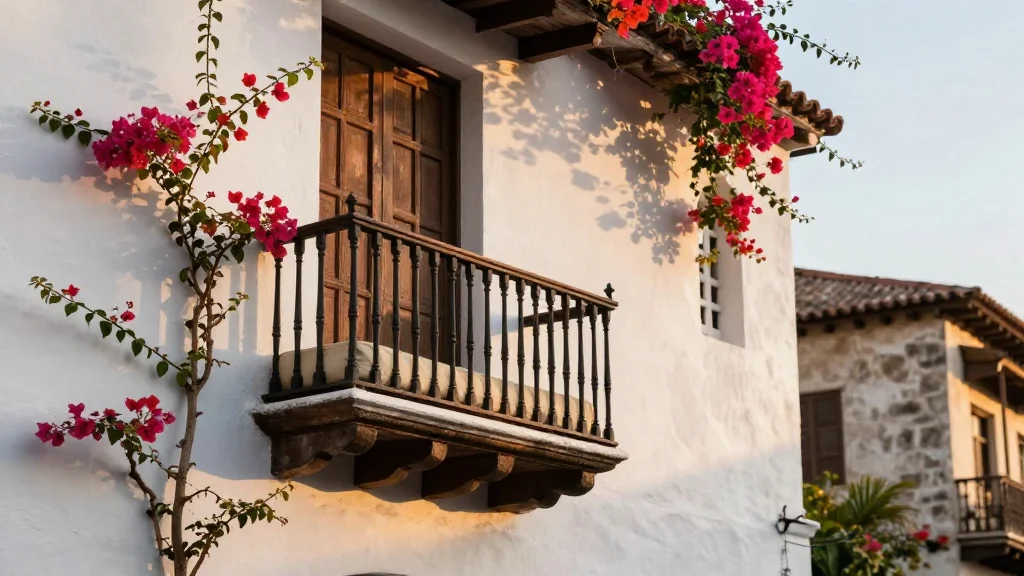
Four Seasons Launches 131-Room Heritage Hotel in Cartagena, Colombia

Companies Mentioned
Why It Matters
Four Seasons’ Cartagena hotel illustrates how global luxury brands are leveraging cultural heritage to differentiate their offerings, a strategy that can command higher average daily rates and attract a niche segment of affluent travelers seeking authentic experiences. The project also underscores Colombia’s rising profile as a destination for high‑end tourism, encouraging further investment in preservation‑focused hospitality. The hotel’s integration with local artisans and its private‑residence component signal a shift toward mixed‑use developments that blend hospitality, real estate, and community engagement. If successful, this model could inspire similar ventures across Latin America, reshaping the region’s luxury landscape and driving economic benefits beyond the hotel’s walls.
Key Takeaways
- •Four Seasons opened a 131‑room hotel and residences in Cartagena’s Getsemaní district in 2026.
- •27 rooms are located within restored 16th‑century and early‑20th‑century buildings, including a cloister and former theater.
- •Designer François Catroux led the project; local artisans contributed plaster reliefs, paintings, and furniture.
- •The hotel adds a major luxury brand to Colombia’s market, which has grown 12% annually in upscale room supply.
- •Over 200 local staff hired; private residences offer investors a stake in a heritage property.
Pulse Analysis
Four Seasons’ decision to anchor its Cartagena entry in a heritage complex reflects a broader industry pivot toward experiential luxury. Travelers increasingly value narrative and place‑based authenticity, and hotels that can credibly claim stewardship of cultural assets command premium pricing. By restoring and repurposing colonial structures, Four Seasons not only differentiates itself from generic high‑rise resorts but also mitigates the risk of market saturation in standard luxury formats.
Historically, luxury expansion in Latin America has favored beachfront or resort‑style properties, often built from the ground up. The Cartagena project flips that script, aligning the brand with preservationist trends seen in European markets where heritage hotels dominate the high‑end segment. This approach may reduce construction costs associated with new builds while delivering a unique selling proposition that resonates with affluent travelers seeking depth over scale.
However, the model carries operational challenges. Maintaining historic fabric demands ongoing conservation investment, and regulatory compliance can delay timelines. Four Seasons’ ability to navigate these complexities will be a litmus test for other brands contemplating similar projects. If the Cartagena hotel achieves strong occupancy and price points, it could catalyze a wave of heritage‑centric developments across the continent, reshaping the competitive dynamics and elevating the overall standard of luxury hospitality in the region.
Four Seasons Launches 131-Room Heritage Hotel in Cartagena, Colombia
Comments
Want to join the conversation?
Loading comments...