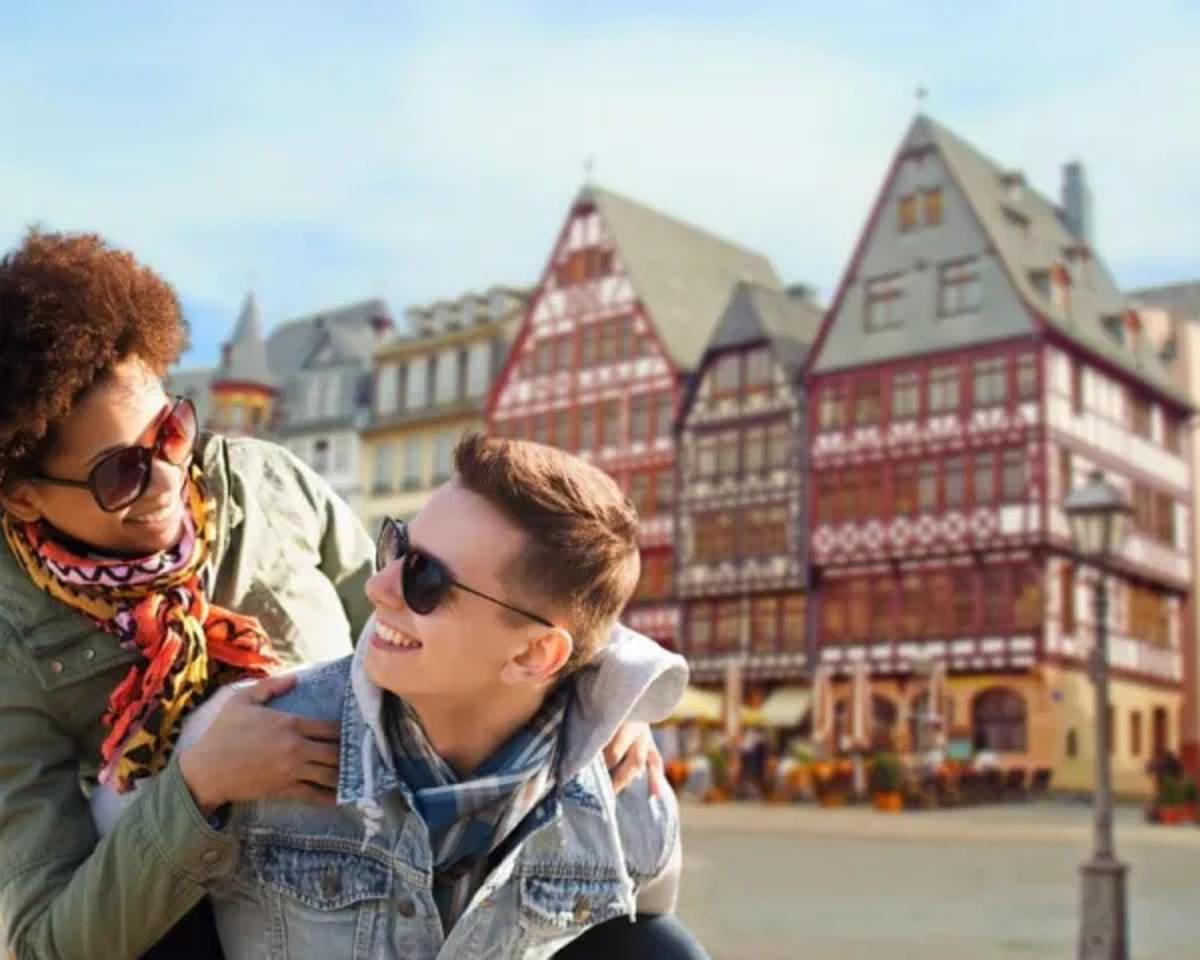
FRANKFURT GREATLY BENEFITS FROM THE TOURISM SECTOR
•February 14, 2026
0
Why It Matters
Tourism now fuels nearly five‑billion‑euro annual revenues, reinforcing Frankfurt’s position as a leading German destination and influencing city planning and investment priorities.
Key Takeaways
- •Tourism generated €4.92 billion revenue in 2024.
- •71.4 million guest days recorded, highest intensity in Germany.
- •Day visitors 75% of guest days; overnight 25%.
- •Average spend €69 daily, €224 for overnight guests.
- •55% residents support tourism; traffic solutions top priority.
Pulse Analysis
Frankfurt’s tourism surge reflects a broader shift toward experience‑driven travel in Europe. While the city has long been known as a financial hub, the 2024 DWIF study shows that cultural attractions, riverfront amenities, and a revitalised historic quarter now draw 71.4 million guest days annually. This intensity—measured against the city’s population—outpaces other major German metros, positioning Frankfurt as a benchmark for balancing business travel with leisure tourism. The influx of day and overnight visitors translates into diversified spending, with overnight guests contributing a premium €224 per day, bolstering hotels, fine‑dining, and high‑end retail.
The economic ripple effect extends beyond hospitality. Restaurants, museums, public transport, and even regional retailers benefit from the visitor spend, collectively driving the €4.92 billion revenue figure. However, the sector faces headwinds: day‑visitor numbers have slipped over 20% since 2019, echoing a national trend that pressures cafés and short‑stay venues. Moreover, resident surveys reveal that traffic congestion remains the top grievance, with 67% urging improved mobility solutions. City officials must therefore align infrastructure upgrades with tourism growth to sustain the sector’s contribution without eroding local quality of life.
Looking ahead, Frankfurt’s designation as World Design Capital 2026 and its recent accolade from Condé Nast Traveller amplify its global profile. These recognitions are likely to attract higher‑spending international guests, further elevating the city’s cultural cachet. Strategic investments in sustainable transport, digital visitor services, and inclusive public spaces will be critical to converting this momentum into long‑term economic resilience. Stakeholders—from municipal planners to private investors—should view tourism not merely as a revenue stream but as a catalyst for broader urban innovation and competitiveness.
FRANKFURT GREATLY BENEFITS FROM THE TOURISM SECTOR
0
Comments
Want to join the conversation?
Loading comments...