Why It Matters
Targeting seniors taps a high‑spending, under‑served demographic, potentially boosting frequency and average ticket size. It also signals fast‑casual brands shifting focus beyond kids’ meals to broader age‑based value propositions.
Key Takeaways
- •Freddy's adds senior meals targeting 55+ demographic
- •Four options include cheeseburger, chicken, grilled chicken, hot dog
- •Meals pair main with small fries or tots, upgradeable
- •Senior menu aims to increase visits from older diners
- •Value‑focused portions differentiate from kids' meals
Pulse Analysis
The fast‑casual landscape is feeling the pressure of an aging U.S. population, with consumers over 55 now controlling a sizable share of discretionary spending. Chains that traditionally chase millennials and Gen Z are re‑evaluating their menus to capture this cohort’s demand for convenience, quality, and price sensitivity. Introducing senior‑specific offerings allows brands to address dietary preferences—smaller portions, familiar flavors—while reinforcing the perception of inclusivity across age groups.
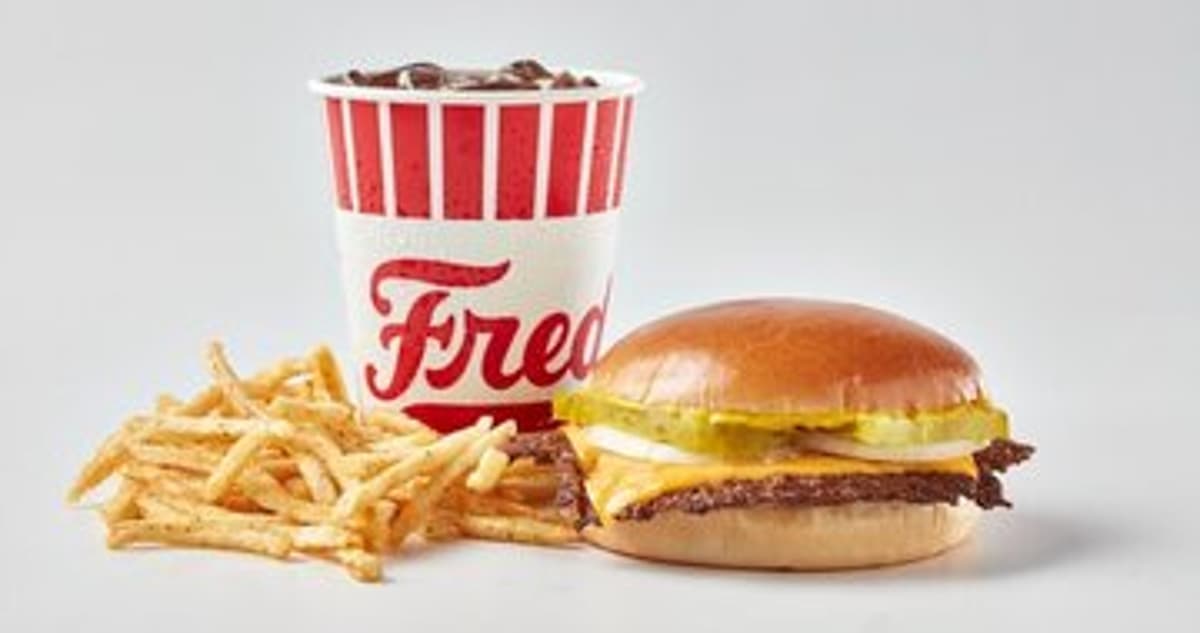
Freddy's Senior Meals package the chain’s core items into a streamlined, lower‑cost format. Each option—single cheeseburger, crispy or grilled chicken sandwich, or hot dog—comes with a modest side of fries or tots and a small beverage, mirroring the structure of kids’ meals but without toys. The upgrade path to full‑size sides preserves upsell potential, while the value proposition aligns with seniors’ desire for predictable pricing. By leveraging its existing supply chain and kitchen workflow, Freddy's can roll out the program across its 580 locations without significant operational disruption.
If the senior menu drives repeat visits, Freddy's could see a measurable lift in same‑store sales and broaden its demographic footprint. Competitors may follow suit, prompting a wave of age‑targeted menu innovations in the quick‑service sector. Moreover, the initiative positions Freddy's as a brand attentive to evolving consumer lifecycles, enhancing its reputation for adaptability and potentially attracting franchisees interested in tapping the senior market. The success of this strategy will likely influence how other fast‑casual chains balance menu variety with cost efficiency.
Freddy's Frozen Custard launches senior meals
0
Comments
Want to join the conversation?
Loading comments...