Why It Matters
The surge signals a durable shift toward high‑value, experience‑focused travel that injects revenue into France’s regional economies and validates continued investment in modern, eco‑friendly river‑cruise infrastructure.
Key Takeaways
- •Occupancy near 90% in 2025 shows strong demand
- •International guests make up ~90% of cruise passengers
- •Operators upgrading to 125‑135 m premium vessels
- •Spring/fall bookings outpace traditional summer peak
- •70% of boats now powered by HVO biofuel
Pulse Analysis
French river tourism has transitioned from a niche pastime to a cornerstone of France’s travel portfolio, as evidenced by near‑90% occupancy rates in 2025. The influx of affluent travelers from Germany and the United States fuels a premium‑segment surge, prompting operators to retire aging 110‑metre ships in favor of larger, higher‑end vessels measuring 125 to 135 metres. This upscale shift aligns with broader consumer preferences for destination‑focused, leisurely journeys that blend on‑water comfort with cultural immersion, reinforcing the sector’s resilience amid global travel uncertainties.
Operationally, the industry is extending its calendar beyond the traditional summer window. Spring and autumn itineraries now attract a sizable share of bookings, mitigating heat‑related constraints and smoothing revenue streams across months. Sustainability is also taking center stage: roughly 70% of leisure boats run on hydrotreated vegetable oil (HVO) biofuel, and electric charging infrastructure is expanding in hubs such as Strasbourg, Chalon‑sur‑Saône, and Tain‑Tournon. These green initiatives not only reduce emissions but also appeal to environmentally conscious travelers, positioning French river cruises as a model for eco‑tourism.
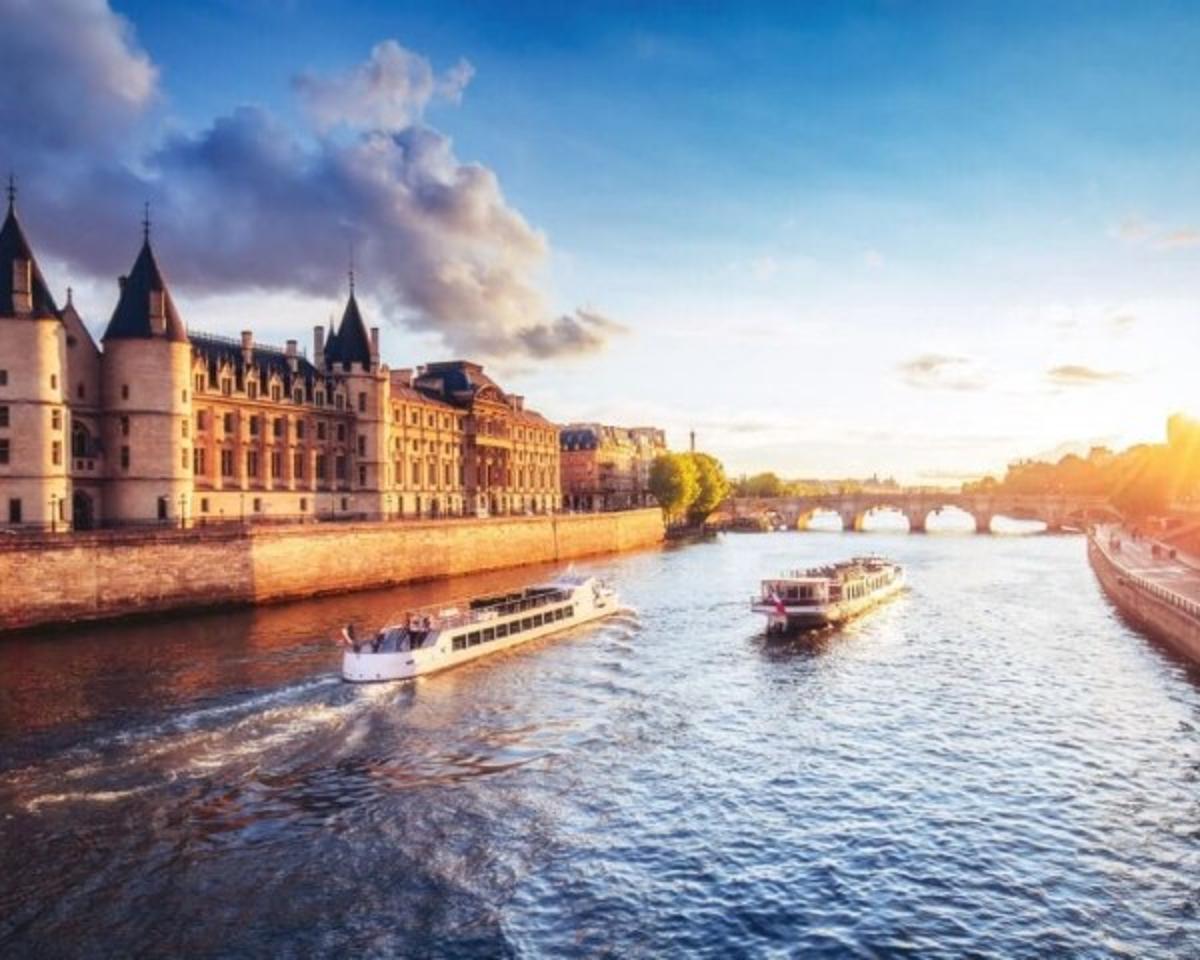
The regional impact is palpable. Strasbourg’s Rhine cruises rose 16%, delivering nearly 274,000 passengers, while the Seine corridor moved over 8 million travelers in the capital alone. Similar growth in the Rhône‑Saône basin and Bourgogne‑Franche‑Comté underscores the sector’s role in dispersing tourism revenue to rural areas. Looking ahead to 2026, full itineraries and sustained demand suggest continued expansion, offering investors and policymakers a clear signal: river tourism is a high‑growth, low‑seasonality asset that can drive sustainable economic development across France’s diverse regions.
FRENCH RIVER TOURISM BOOMS
Comments
Want to join the conversation?
Loading comments...