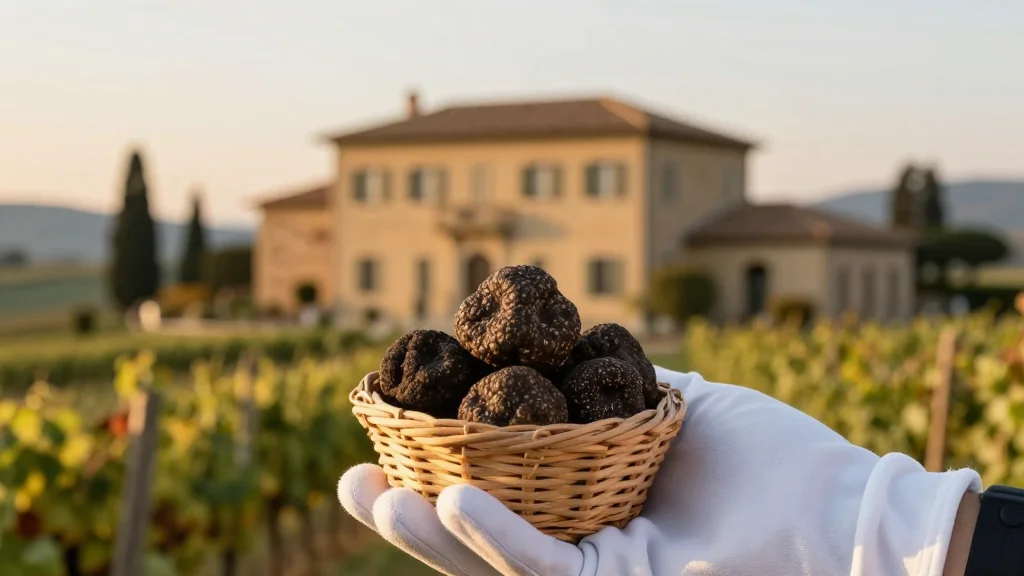
From Truffle Hunting to Swiss Alpine Adventures: Hotels Redefining Experiential Travel
Why It Matters
By turning destinations into living classrooms and adventure hubs, hotels can command premium rates and deepen guest loyalty, accelerating growth in the fast‑expanding experiential tourism segment.
Key Takeaways
- •Castello di Vicarello adds private flight tours and perfume classes
- •Mashpi Lodge launches interactive biology lab for guest scientists
- •The Mansard markets Alpine summer experiences as urban alternatives
- •Hotels blend luxury with hands‑on cultural and ecological activities
- •Experiential stays attract high‑spending travelers seeking authenticity
Pulse Analysis
The post‑pandemic era has accelerated a shift from passive sightseeing to immersive, purpose‑driven vacations. Travelers now prioritize experiences that connect them to local culture, nature and even scientific discovery, a trend that industry analysts link to higher discretionary spending and longer trip durations. Luxury hospitality brands are responding by redesigning their product offerings, moving beyond plush rooms to curated programs that turn a stay into a narrative. This evolution aligns with the broader ‘experience economy,’ where consumers value memorable moments as much as material goods.
Castello di Vicarello leverages its centuries‑old Tuscan estate to deliver farm‑to‑table truffle hunts, grape and olive harvest participation, and even aerial tours over the coastline, blending agritourism with high‑end leisure. In the Amazonian foothills, Mashpi Lodge’s newly refurbished biology laboratory invites guests to observe live research, handle 3‑D printed beetles and learn from resident scientists, turning conservation into a guest‑centric attraction. Meanwhile, The Mansard reimagines the Swiss Alps as a warm‑weather retreat, offering guided hikes, fondue picnics and access to elite events like the Gstaad Tennis Open, all framed within upscale alpine hospitality.
These differentiated experiences enable hotels to command higher average daily rates and attract a demographic willing to pay a premium for authenticity and education. By integrating local partners—farmers, researchers, event organizers—properties also diversify revenue streams and deepen community ties, mitigating the risk of overtourism. As experiential travel matures, we can expect more brands to embed sustainability, cultural immersion and scientific engagement into their core offerings, creating a competitive moat that rewards both guests and owners alike.
From Truffle Hunting to Swiss Alpine Adventures: Hotels Redefining Experiential Travel
Comments
Want to join the conversation?
Loading comments...